
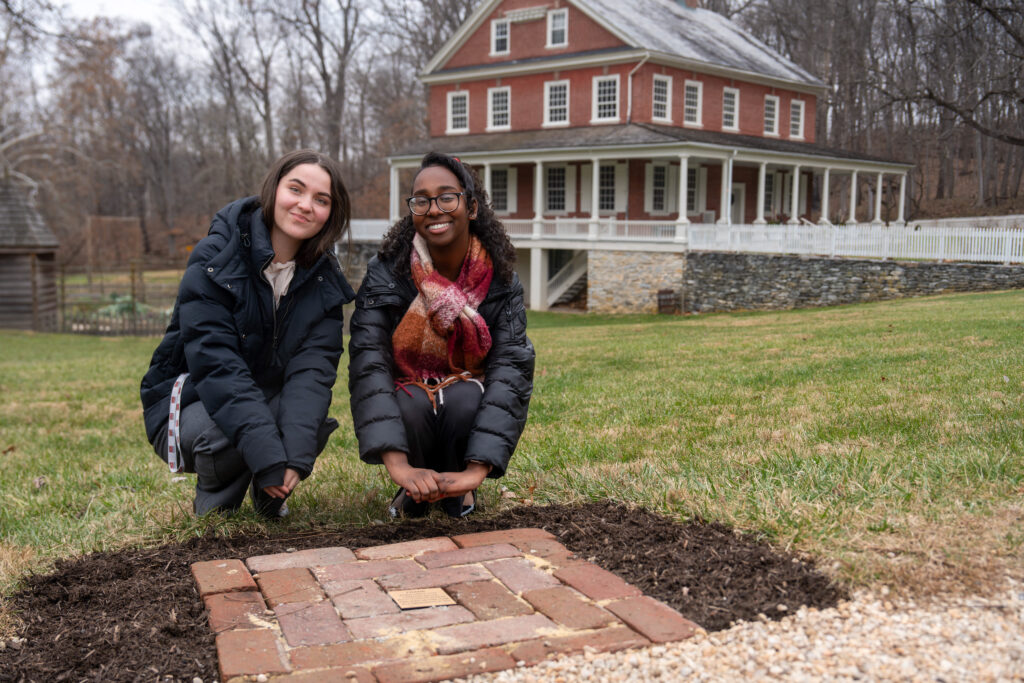
At the School District of Lancaster, we believe history becomes most meaningful when we engage with the stories that were almost forgotten. On Sunday, December 7, our district joined community partners at Historic Rock Ford for the dedication of a Witness Stone honoring Frank, an enslaved man whose courage and decision to free himself in 1802 continue to shape the way Lancaster understands its past.
This dedication was a reminder of why telling the truth about history matters for students, families, and future generations.
Frank lived and labored at Rock Ford more than two centuries ago. His work was constant and demanding, from field labor to domestic tasks to the trusted yet controlled role of serving as Edward Hand’s carriage driver. That position required him to travel regularly between the estate and Lancaster City. While those trips were part of his forced labor, they also provided rare moments of mobility where he could witness daily city life, listen to conversations, and quietly build relationships within Lancaster’s free Black community. These connections, formed under constraint, would later support his path to freedom.
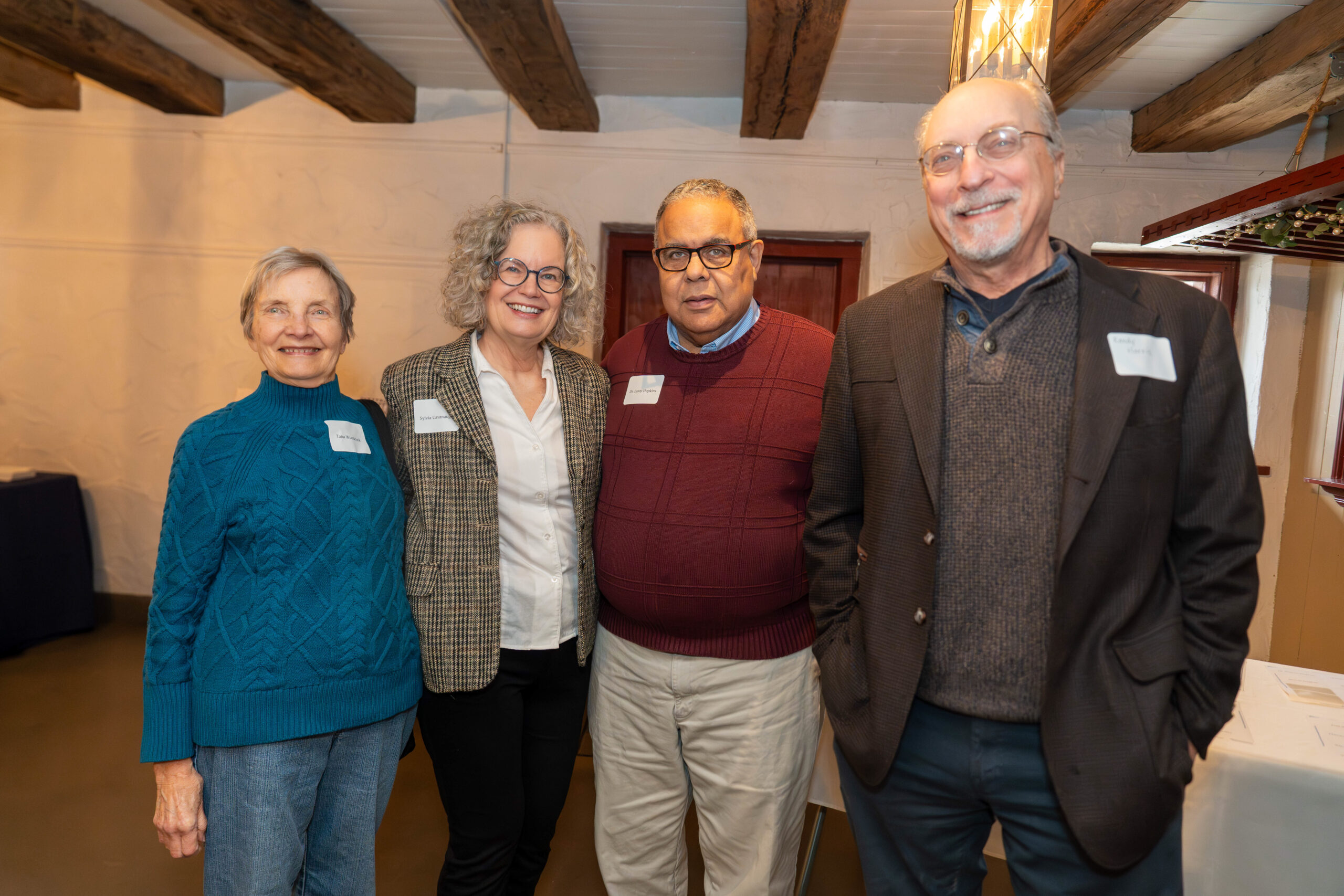
In 1802, at around 30 years old, Frank made the decision to leave Rock Ford behind. He carried modest items described in the runaway advertisements, clothing, stockings, shoes tied with strings, and a round beaver hat. More importantly, he carried borrowed freedom papers belonging to a deceased free Black man named Prince Wheeler. Those papers provided him with the identity he needed to move through early America as a free man. Edward Hand responded with a months-long effort to locate him, placing runaway ads in the Lancaster Intelligencer for half a year and offering a reward that would equal hundreds of dollars today. Despite the risks to himself and anyone who helped him, Frank was never captured. His escape demanded planning, community support, and significant courage, and it reshaped the narrative that had been imposed on him since birth.
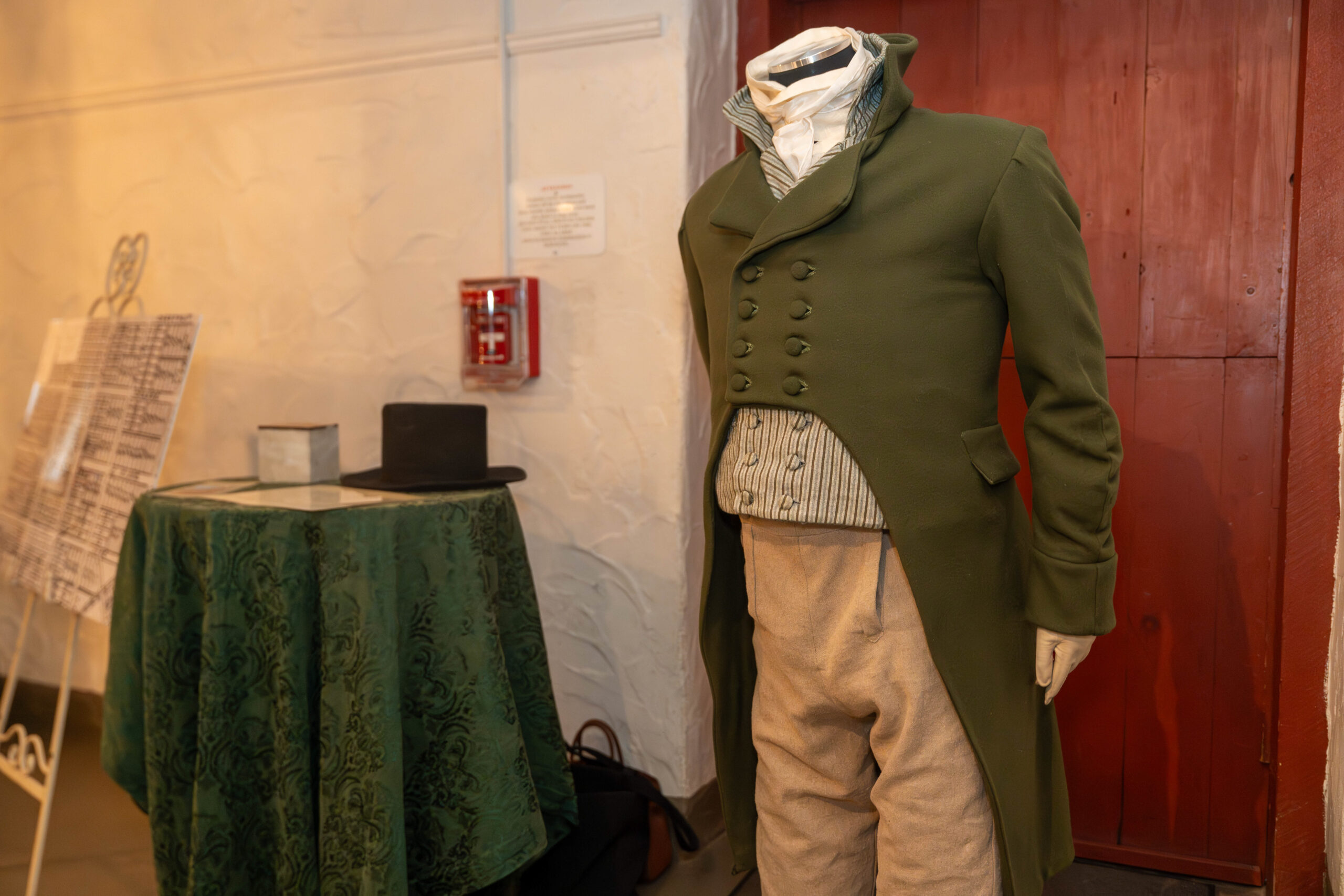
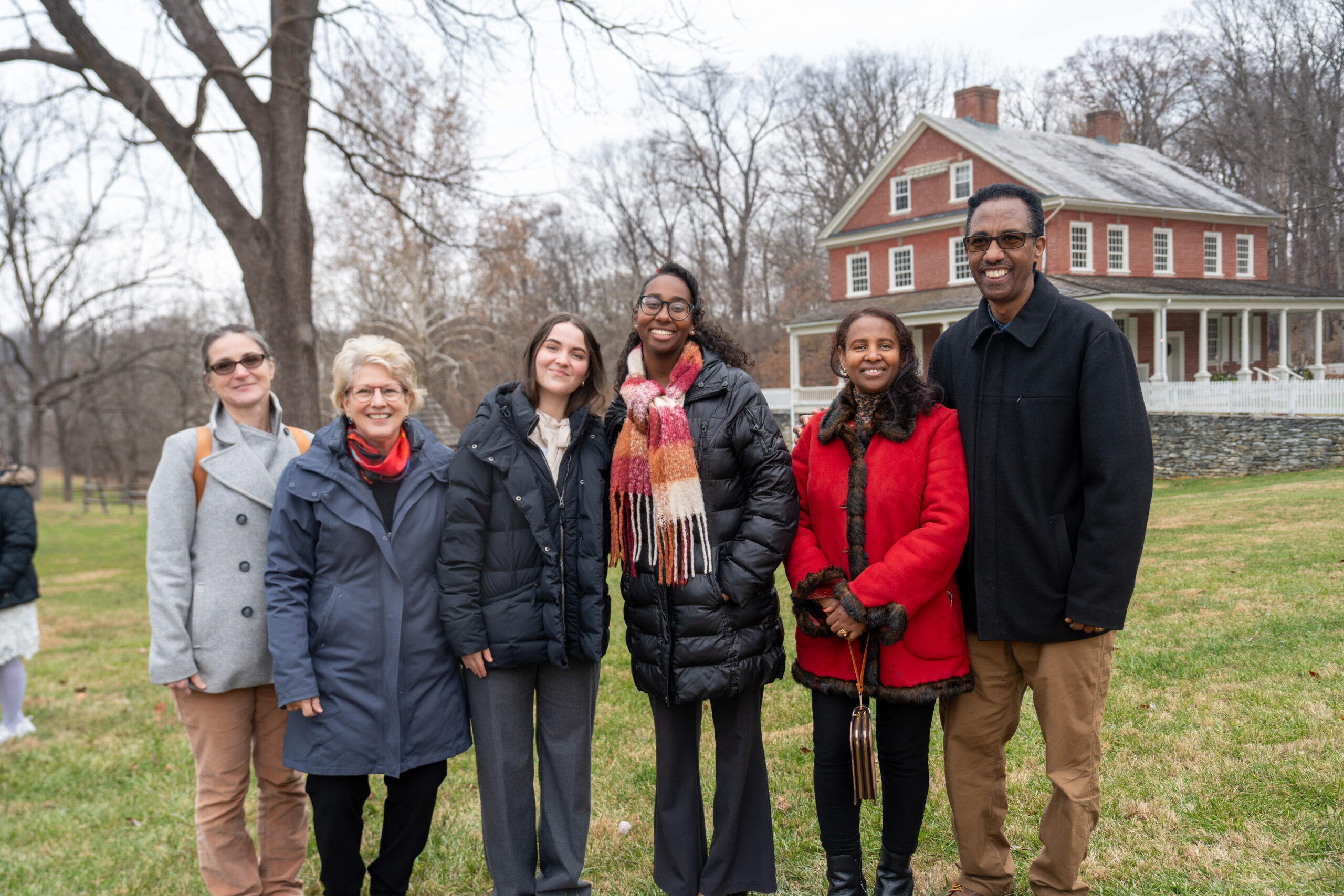
The dedication ceremony at Rock Ford brought together partners who have supported this work from its earliest days. Representatives from the African American Historical Society of South Central Pennsylvania, LancasterHistory, the upcoming Stevens & Smith Center for Democracy, community leaders, donors, educators, and neighbors filled the space. Some have been part of the project for more than fifteen years, when the research that revealed Frank’s story first began. Others attended for the first time, learning about him through student presentations, archival materials, and community remarks.
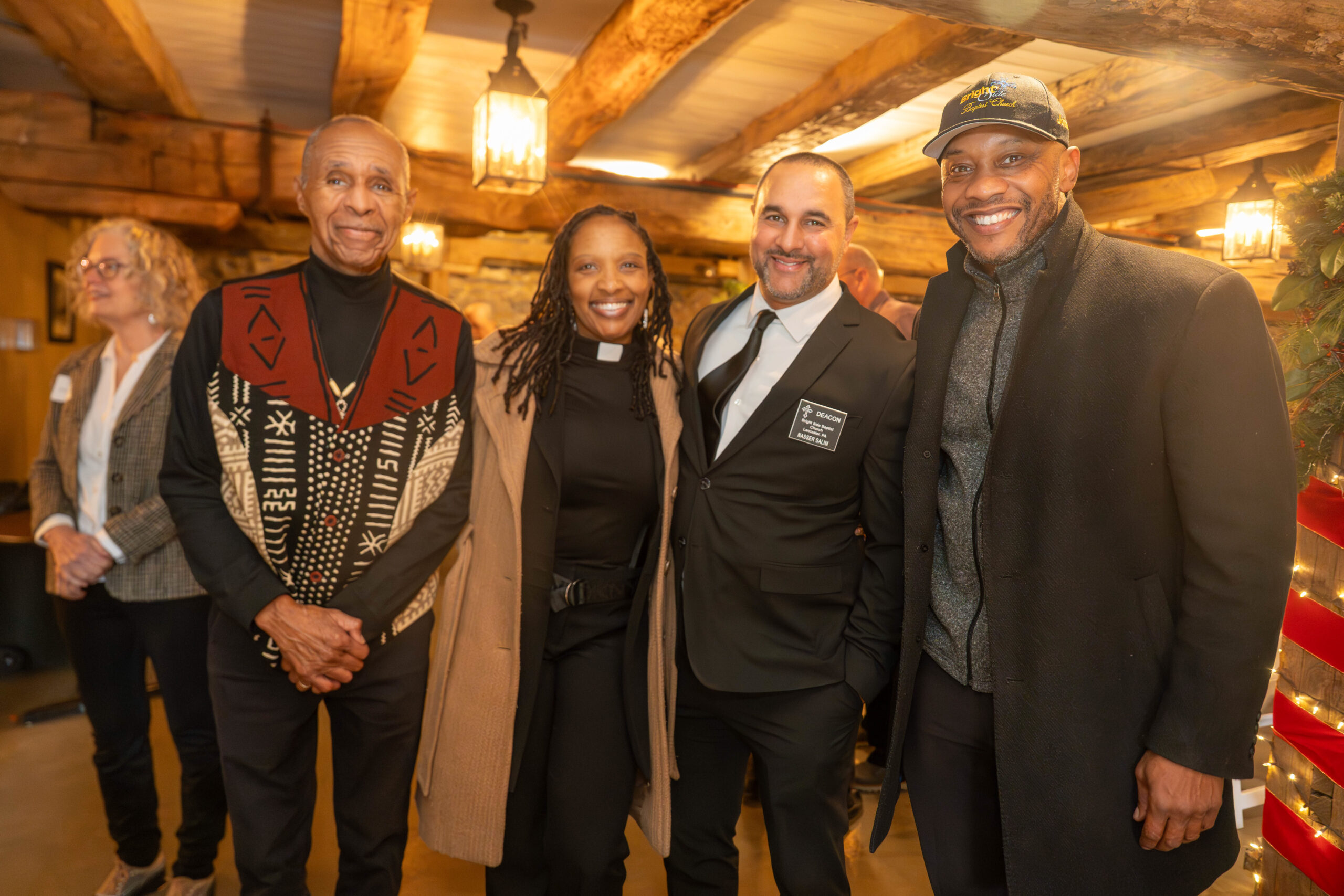
Faith and community leaders offered reflections that grounded the ceremony in both remembrance and responsibility. Reverend John Knight opened the gathering with remarks that connected the Witness Stones to the long tradition of marking memory through physical symbols. Nelson Polite Sr., president of the African American Historical Society, spoke about the courage required not only to escape enslavement, but to reclaim identity when a last name was never given. His remarks tied Frank’s escape to the larger history of Black freedom seekers who reshaped American life through their determination.
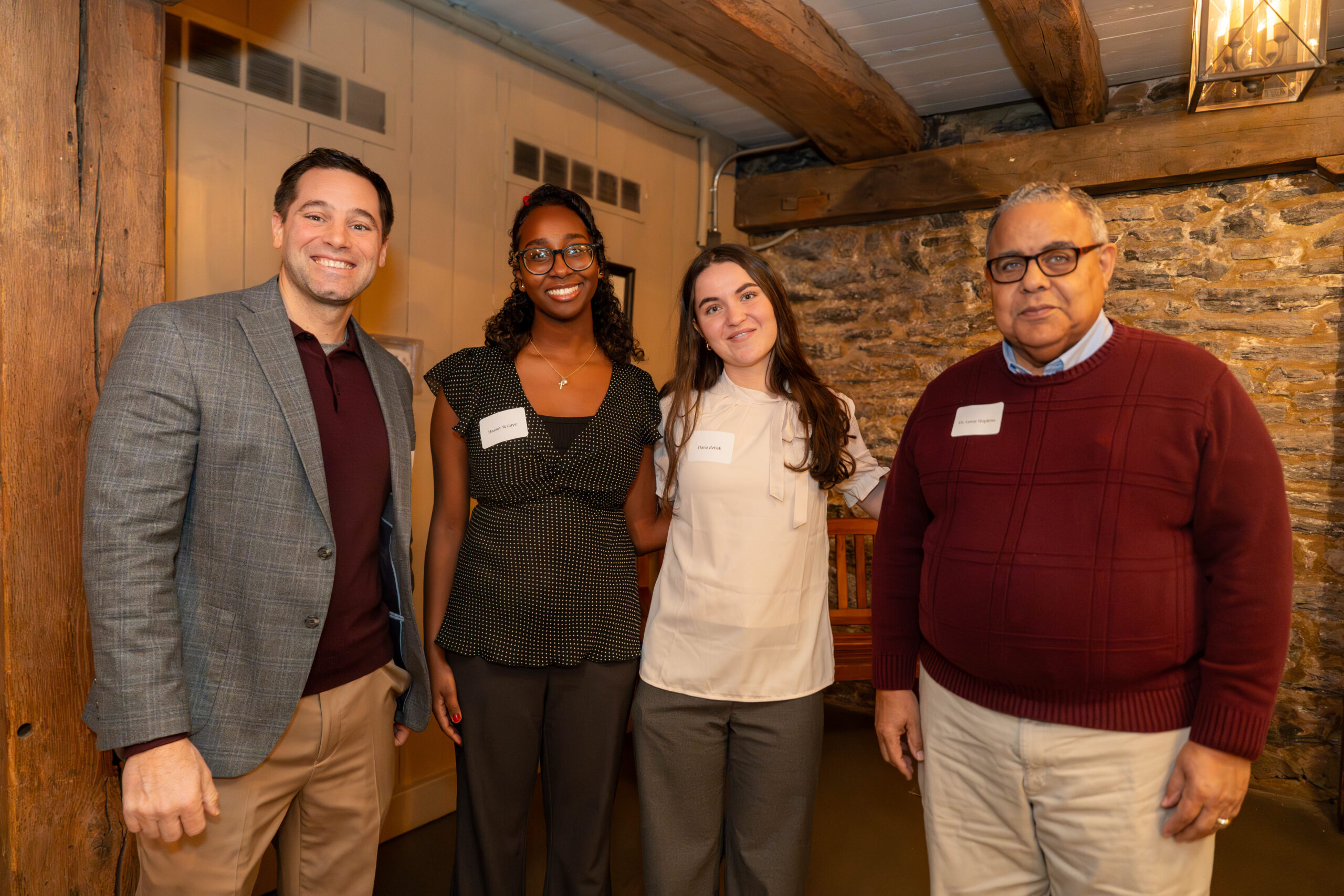
For SDoL, this work holds deep significance because of our students. Under the guidance of Dr. Todd Mealy, McCaskey students spent months studying Frank, Sue, Bob, and Bet through the limited documents that exist today with inventory lists, letters, runaway notices, and fragments of the Hand family’s records. Students learned how to analyze documents that were never meant to tell the full story of an enslaved person’s life. They explored the absences in the archive, the voices that were never recorded, and the details that required interpretation and context.
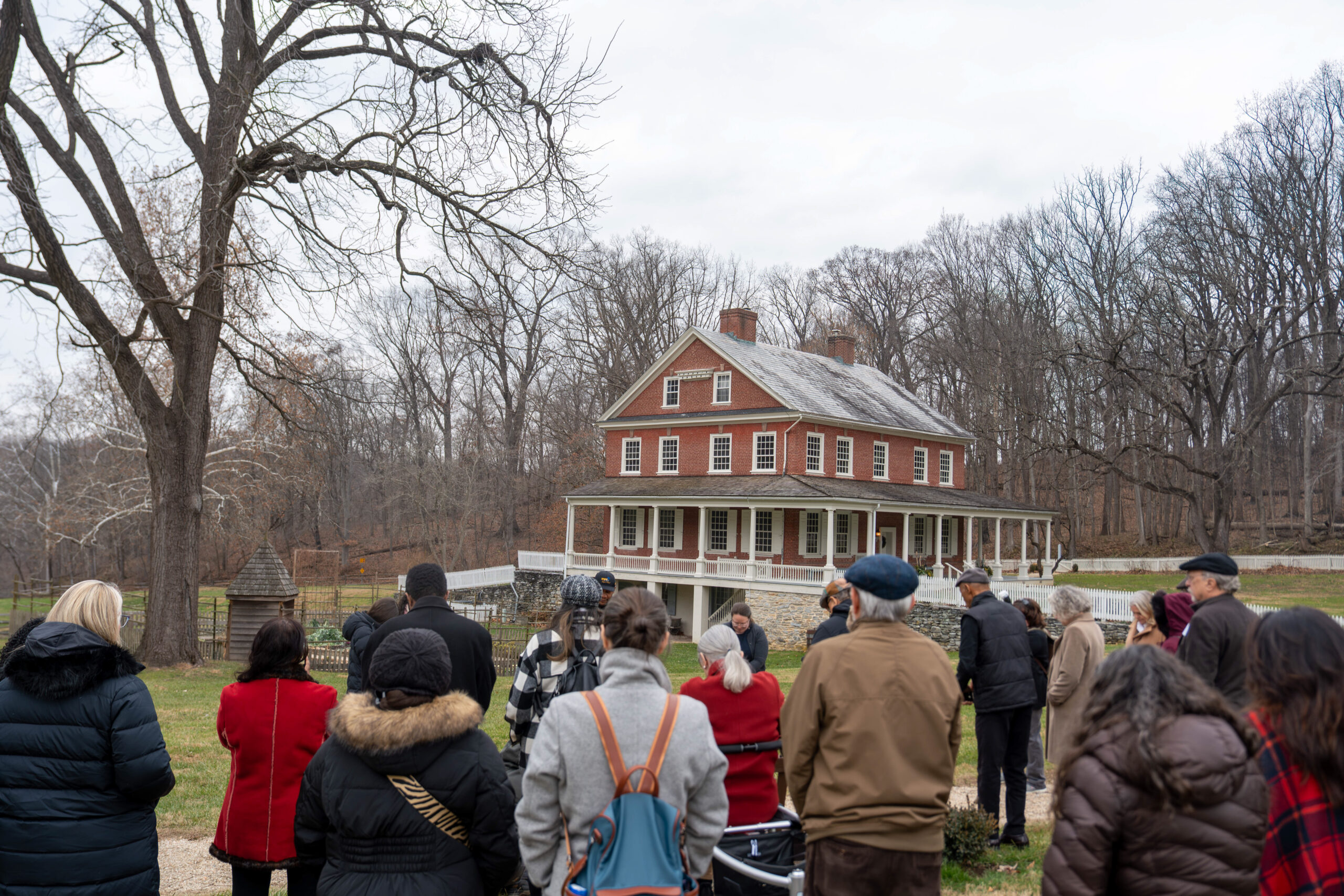
As two students shared at the ceremony, the process changed them. It pushed them to look closely at their own community, to understand why certain histories have been overlooked, and to recognize their role in bringing those stories forward. The Witness Stones Project is, at its heart, an educational effort, and our students showed how powerful learning becomes when they are trusted to lead it.
Rock Ford selected the location of Frank’s stone with intention. Instead of placing it in a space visited primarily by tourists, it sits along the walking path between the house and barn, where neighbors frequently pass through the county park. Students, dog walkers, hikers, and community members will encounter Frank’s story in their everyday routines. His presence will not be hidden or confined to a museum case. It will be part of the landscape.
Frank is the fourth person enslaved by Edward Hand to be memorialized at Rock Ford, joining Sue, Bob, and Bet. The Witness Stones Advisory Committee plans to place at least seventy-five stones in the years ahead, ensuring the individuals who shaped Lancaster’s early history are named, recognized, and remembered.
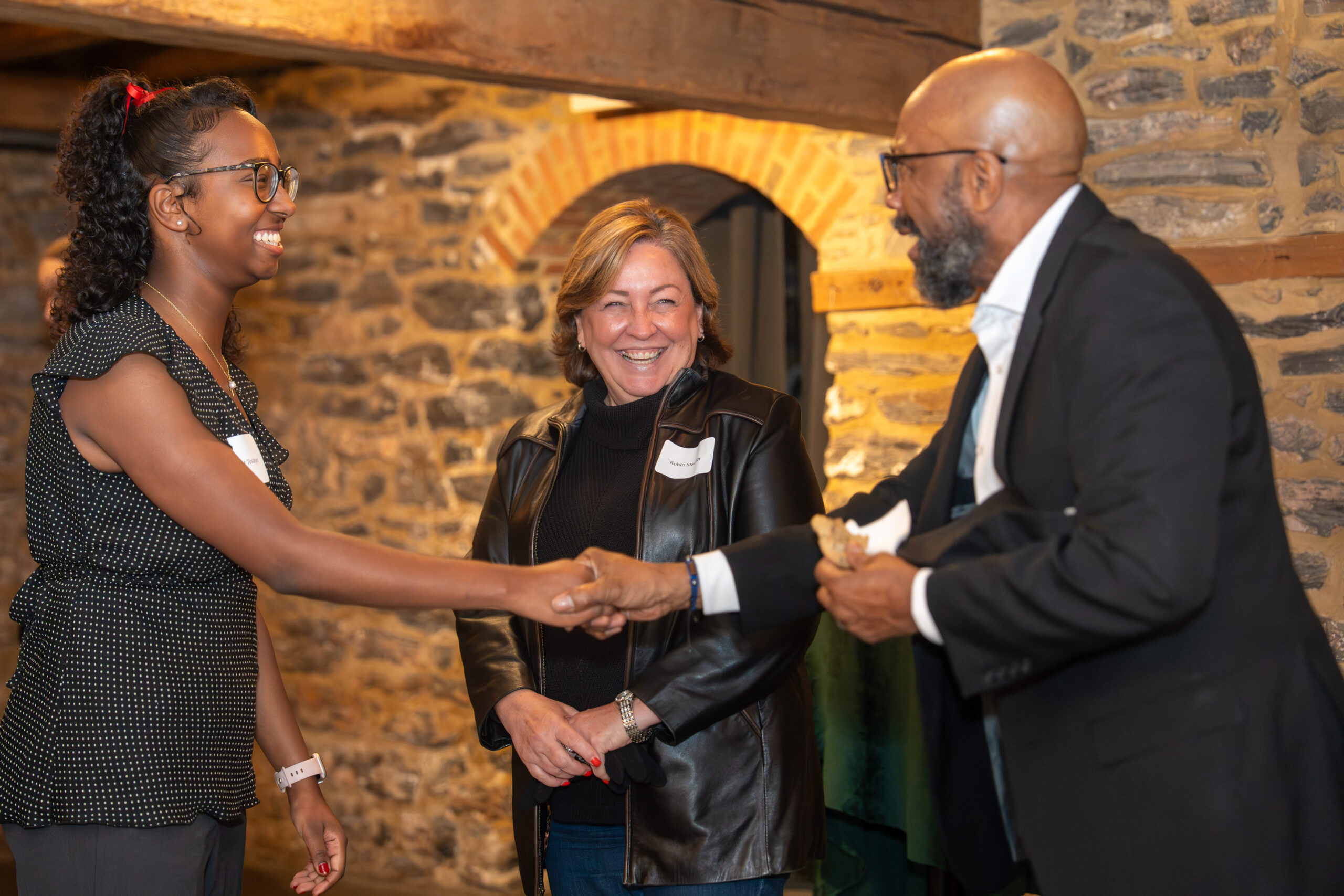
We also recognize the organizations and donors whose support made this work possible, including the Lancaster County Community Foundation, the High Foundation, the Steinman Foundation, the Walters Unitarian Universalist Trust, Willow Valley Communities, Lindsley Development Consulting, Gibbel Kraybill & Hess, and individual community members who gave generously. Their support demonstrates a shared belief that local history deserves to be told in full, including the parts that challenge us.
Most importantly, the dedication served as a reminder that history is a shared responsibility. Schools, museums, churches, families, and community partners each have a role in ensuring students understand the people who lived here before them. Frank’s story is not simply a story of enslavement. It is a story of choice, community, identity, and a commitment to freedom that extended far beyond Rock Ford’s boundaries.
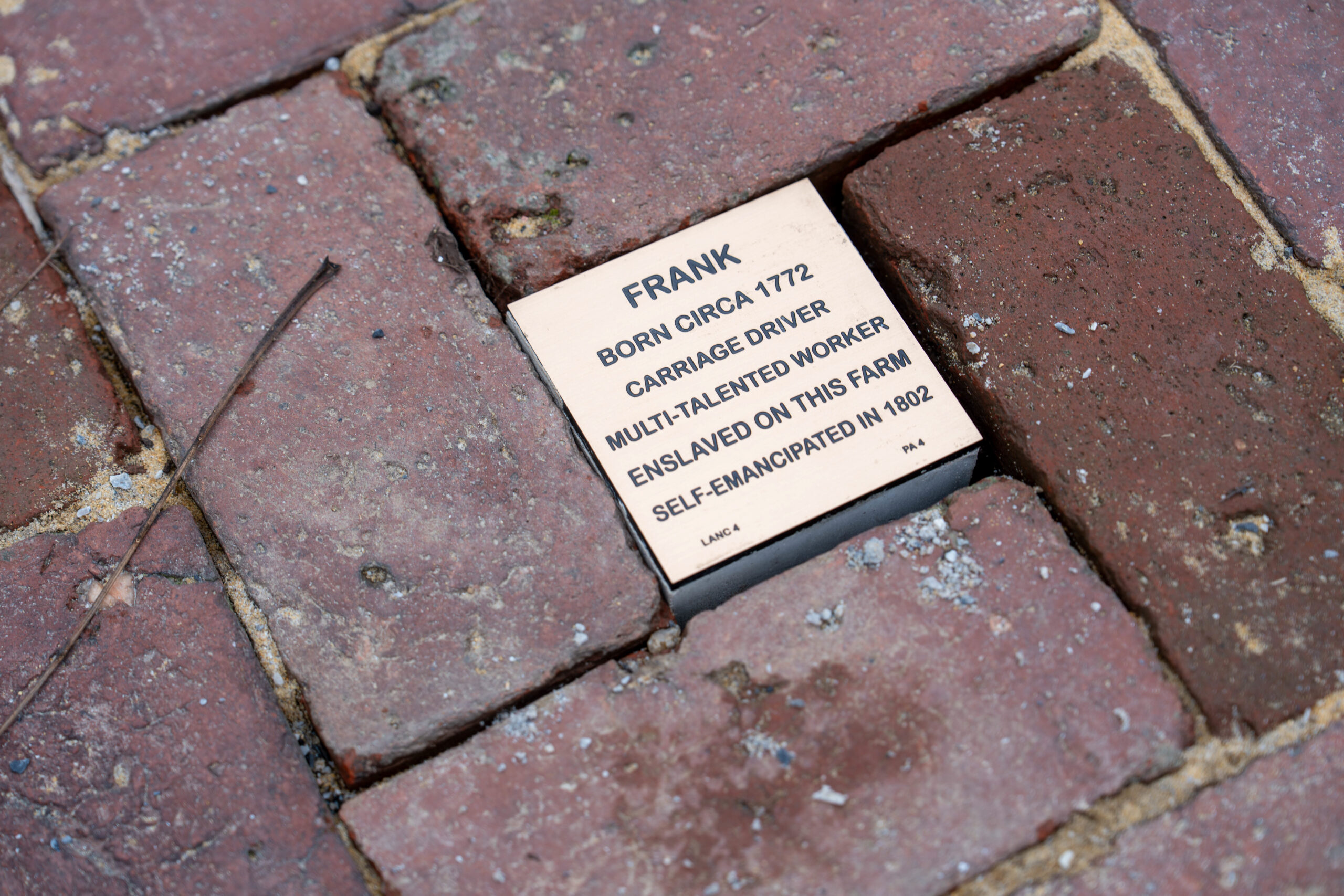
As we honor Frank, we also honor the responsibility to continue this work. The stone placed for him will stand as a marker for future generations, but the learning that surrounds it is what will carry his story forward.
At SDoL, we are proud to be part of that work. For more photos, visit us on Facebook.