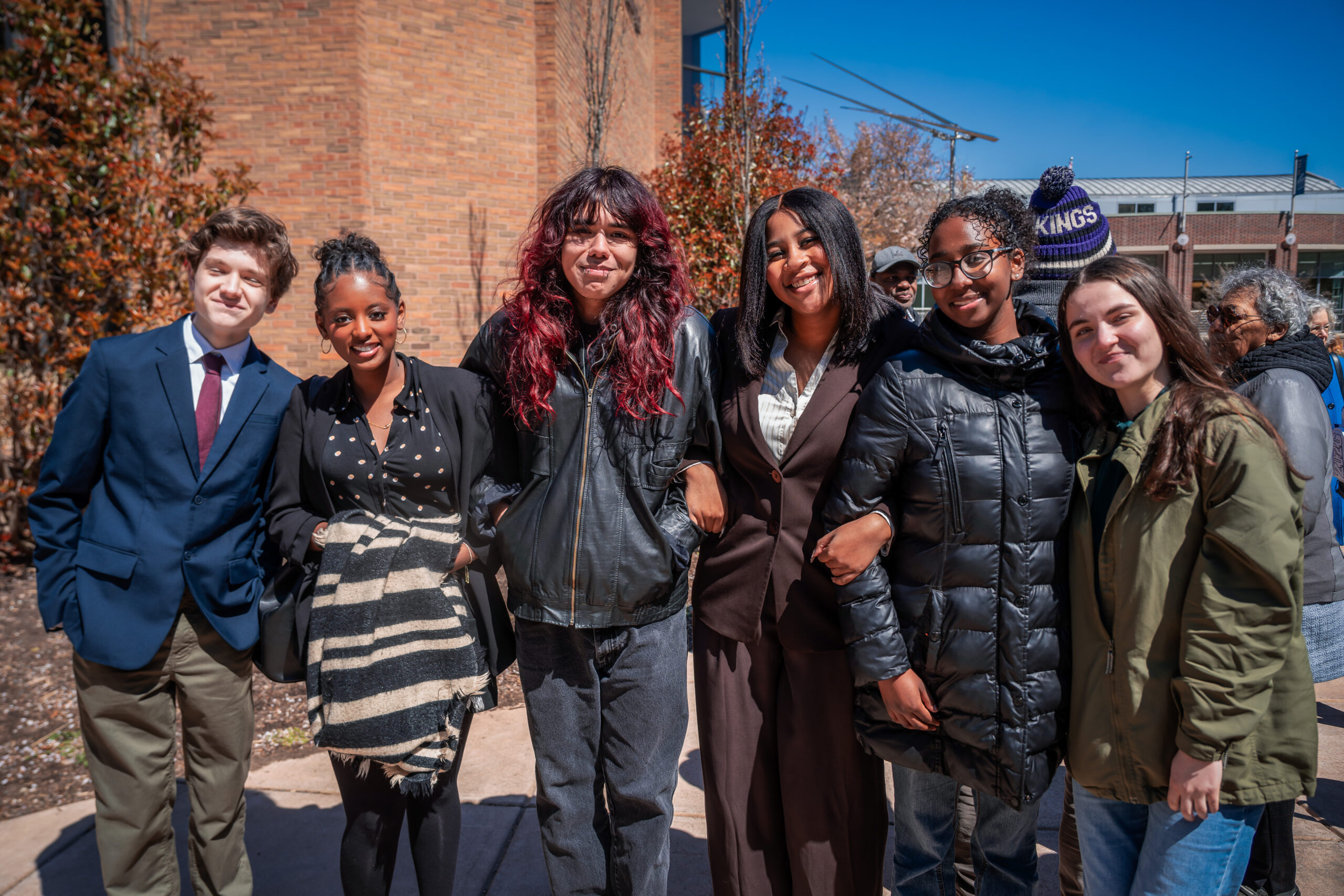
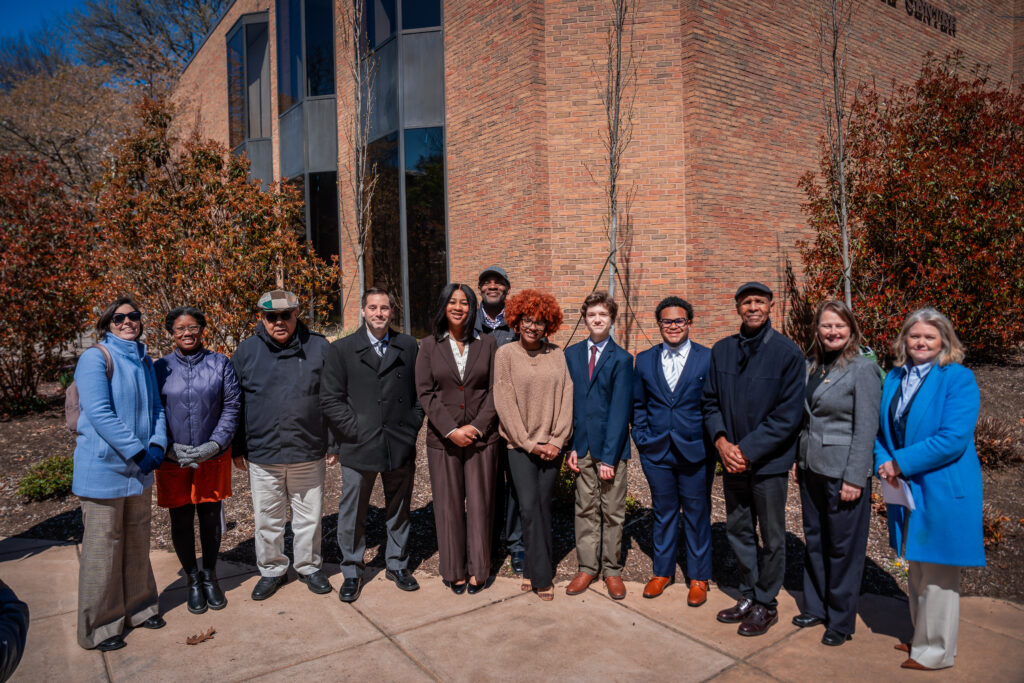
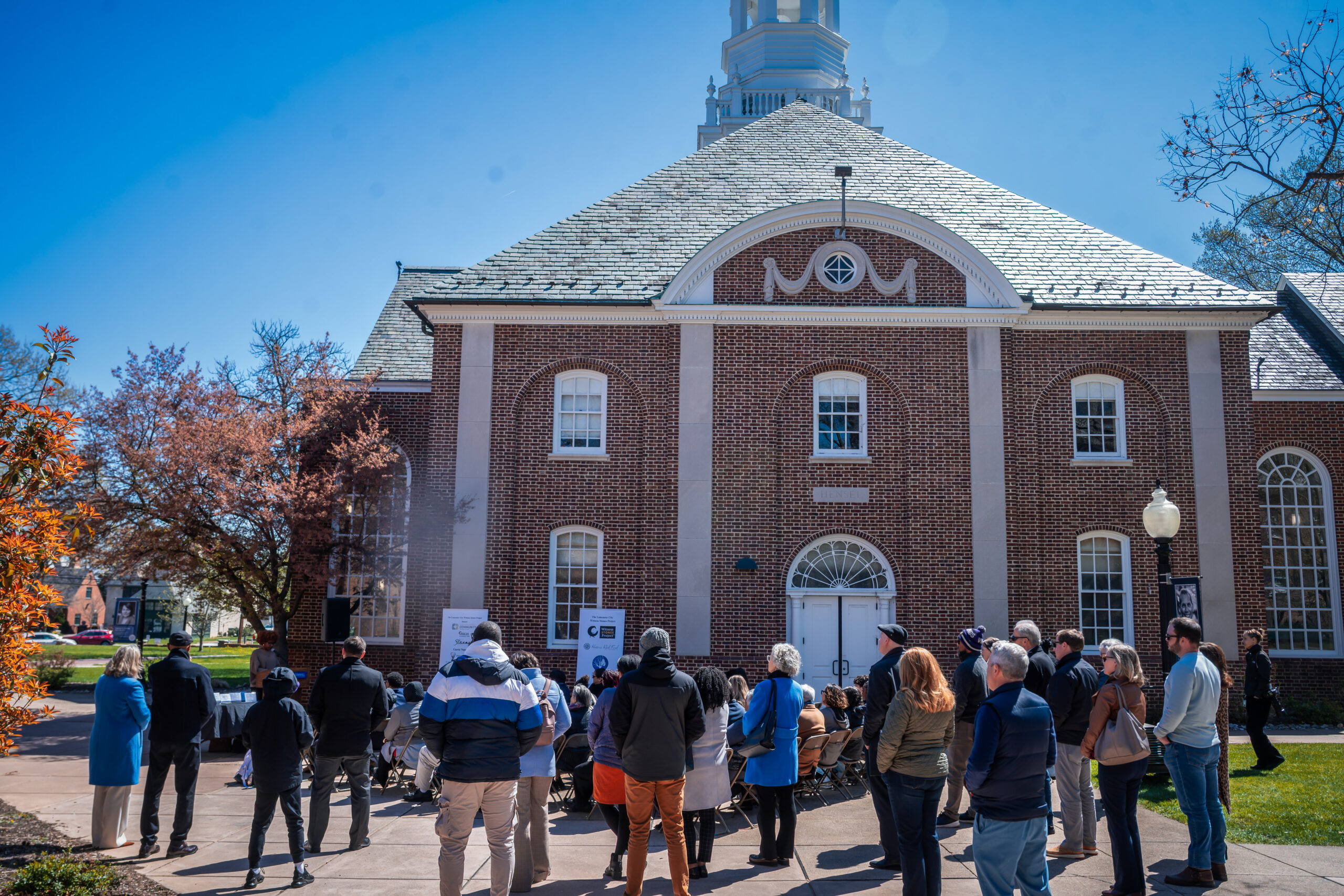
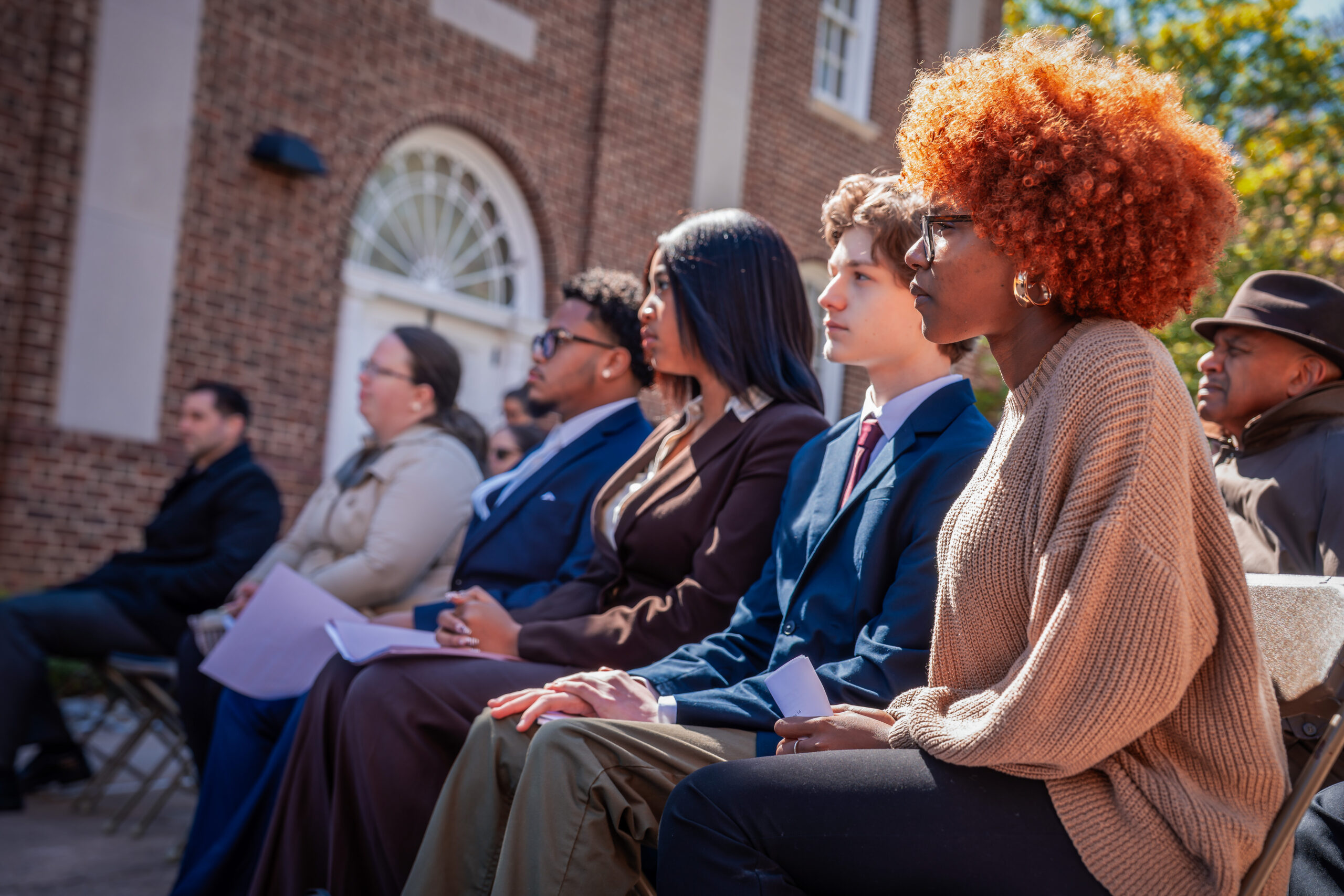
What does it mean to remember a place honestly? At the Lancaster City Witness Stones Project Dedication Ceremony on Wednesday, April 8, at Franklin & Marshall College, that question did not sit quietly in the background. It was spoken, studied, and carried forward by students who spent months uncovering the lives of those who were once deliberately erased.
Cesar. Fanny. Hannah. Patty. Peg. Phillis. Prince. Will. And two individuals whose names have not yet been recovered. Their names, uncovered through careful research, were spoken aloud and placed back into the public memory of the city.
Through a partnership with Historic Rock Ford, the African American Historical Society of South Central Pennsylvania, and Franklin & Marshall College’s Reckoning with Lancaster initiative, students from McCaskey High School were invited into the work of history in a meaningful and applied way.
They studied five core themes. Dehumanization. Treatment. Economics. Paternalism. Agency. Then they added a sixth. Geography. Not just where events happened, but how power shapes what is remembered and what is not.
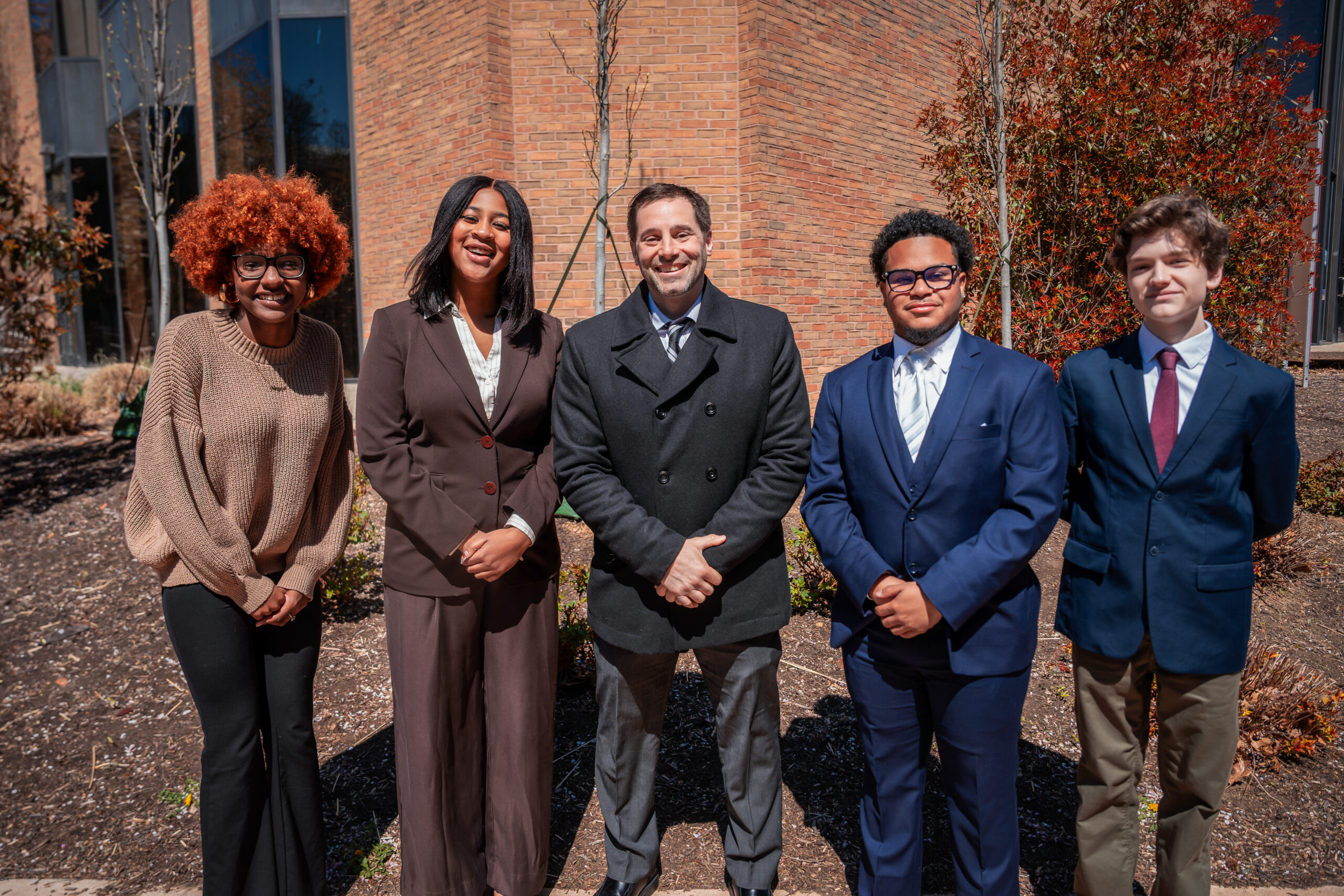
Through this process, students became historians themselves. Students including Amari Polo Delgado, Josie Cotson, Vanderveer Reiner, and Demani Crosson stood at the center of this work, each presenting case studies that brought individual lives into focus.
They examined systems that treated people as property and explored how freedom was not a single moment, but often a complicated and incomplete process. In doing so, they engaged in critical thinking that extends beyond the classroom, asking questions that continue to shape how communities understand the past and present.
Prince was purchased and recorded as an investment, his life reduced to numbers before being cut short. Hannah was offered freedom late in life, but only under conditions that revealed the limits of choice within a system built on constraint. Will asserted his agency by escaping, leaving behind only a description in a runaway advertisement and an uncertain outcome. Fanny’s path toward freedom was marked by movement, contracts, and uncertainty, her story ending without resolution in the historical record.
Each story challenged the idea that progress moves cleanly or evenly. Each one revealed the distance between law and lived experience.
Students stood before the community and presented their findings, connecting archival documents to the present day. They traced the names of enslavers that still exist across Lancaster in street signs, buildings, and public markers, asking the community to reconsider what has been normalized in the landscape.
In doing so, they demonstrated the power of student voice and the role education plays in shaping a more informed and reflective community.
For the School District of Lancaster, this work reflects what education can be at its best. It’s not only about learning facts. It’s about developing the ability to question, to analyze, and to understand the complexity of the world we inherit.
The ceremony also honored the legacy of community leaders like Lenwood Sloan and Buddy Glover, whose commitment to truth, education, and equity helped create space for this work. Though they are no longer present, their influence remains visible in the students continuing it today.
The Witness Stones Project is not about rewriting history, but expanding it. It asks communities to confront what has been overlooked and to recognize the humanity of those whose lives were never meant to be remembered in full. It places names where there were none and invites reflection where there was once silence.
Because history is not only something we inherit. It’s something we shape by what we choose to acknowledge. And on this day, in speaking their names, Lancaster moved one step closer to remembering more fully. For more photos, visit our Facebook.