
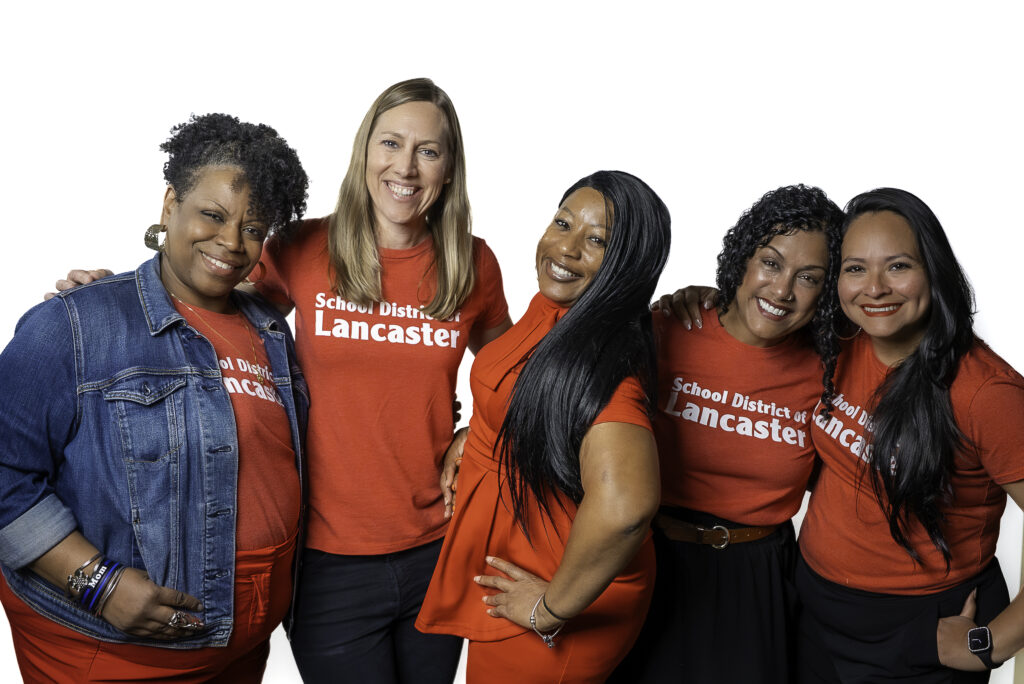
A perfect score from the Pennsylvania Department of Education may be the reason for celebration, but for Lisette Rivera, the 102 points tell a much bigger story about the people behind them.
The School District of Lancaster’s Families in Transition program, known as FIT, earned 102 out of 102 possible points and a 100% rating during its latest Education for Children and Youth Experiencing Homelessness monitoring review.
“We don’t do the work alone,” Rivera said. “I’m proud of all of us. It really does take a village.”
FIT works with students and families experiencing homelessness or housing instability, helping remove barriers that could interfere with a student’s education. The program assists with enrollment and transportation while connecting families with clothing, food, shelter, healthcare, school supplies and other resources.
The work is guided by the federal McKinney-Vento Homeless Assistance Act, which protects the educational rights of children and youth experiencing homelessness. Pennsylvania’s Education for Children and Youth Experiencing Homelessness program helps ensure those students have access to a free and appropriate public education while reducing disruptions to their education.
For SDoL, the state monitoring process examines how those responsibilities translate into practice. PDE conducts the monitoring on a three-year cycle. SDoL was previously monitored in 2023 and expects its next review in 2029.
Over the three-year period, the FIT team collects evidence of its work across the district. School social workers provided documentation from their buildings, while Enrollment and Student Services staff supported reporting, data entry and other pieces of the review. Community partnerships helped demonstrate how families are connected with resources beyond school.
“Our social workers are boots on the ground,” Rivera said. “We can’t do the work without our team of people.”
The final report recognized those connections. Among the strengths identified were FIT’s partnerships with community agencies, collaboration with social workers, professional learning, outreach to families and efforts to address students’ academic, social, emotional and basic needs.
The monitor also recognized the district’s multilingual McKinney-Vento information and work around food insecurity and mental health needs.
Superintendent Dr. Keith Miles said the result reflects the relationships FIT has built across SDoL and throughout the Lancaster community. He credited the team’s collaboration with social workers, professional learning and family outreach with helping students access what they need to remain connected to school.
Those findings connect closely with SDoL’s broader commitment to removing barriers for students. The district’s strategic plan calls for equitable access to resources and support while strengthening partnerships with community organizations to improve the conditions students need to learn and grow.
The perfect score was a first for Rivera and FIT. Previous monitoring reviews had gone well, she said, usually resulting in only minor adjustments such as changes to information on the district website. Seeing 102 out of 102 was different.
“What do you mean, 102 out of 102?” Rivera recalled thinking. “We did that?”
For Rivera, getting every detail right matters because of the students and families represented by the paperwork.
“They deserve to have every I dotted and every T crossed,” she said. “They deserve the exact same dignity and respect that anybody else does. They’re often forgotten about.”
Amy Marenick, coordinator of Behavioral Health Services, has watched Rivera provide consistency to FIT for years. She described Rivera as a steady and stabilizing force within the program and credited her leadership throughout the monitoring process.
Marenick also sees the addition of Sonya Lantz as an opportunity to build on that foundation, bringing new energy and perspective to the work.
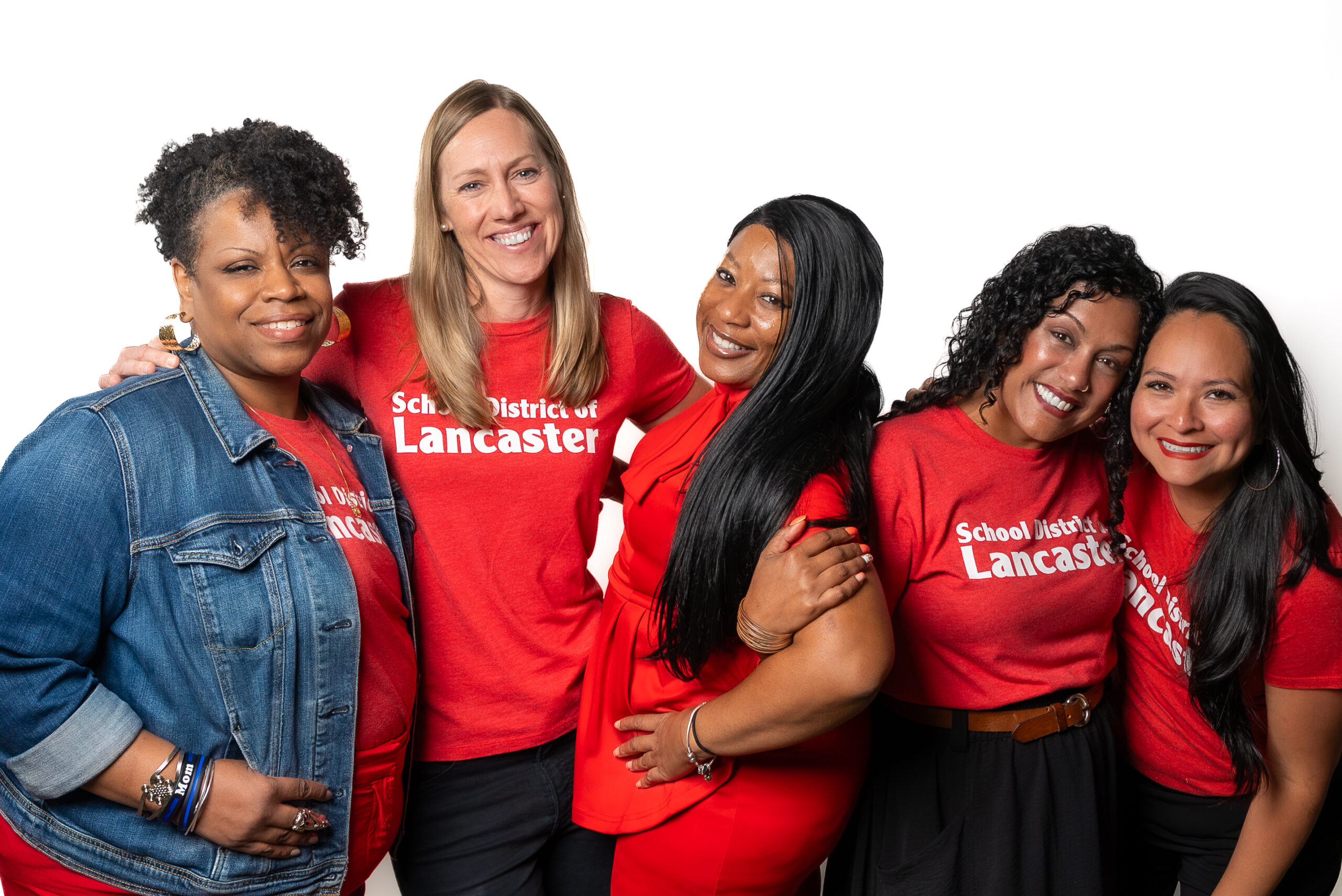
Lantz may be new to her FIT role, but she isn’t new to the work. As a school social worker, she contributed documentation and supported students during the period covered by the review.
Rivera wanted her included in the celebration for exactly that reason.
“She was still a part of the process,” Rivera said. “She understood the importance of it.”
Rivera and Lantz will now carry the work into the next monitoring cycle. A perfect score gives them a strong starting point, but Rivera doesn’t see it as a reason to stop looking for ways to improve.
She hopes to deepen relationships with community partners, create more opportunities to raise awareness and find additional resources as families face increasingly complex housing and basic-needs challenges.
Community members can play a role in that work year-round.
FIT accepts donations of school supplies, clothing, personal care items, winter necessities, bus passes and gift cards. Rivera also encourages people donating clothing and household goods to CommunityAid to designate Families in Transition. Those donations can generate credit that FIT can use to provide gift cards to families, giving them the ability to select items based on what they actually need.
A family navigating housing instability may have dietary restrictions, limited refrigeration or clothing needs that cannot be met through a preselected package. Giving families more choice preserves some normalcy during a period when much else may feel uncertain.
The monitoring report captures the policies, documentation and systems required of the program, but the perfect score reflects the people carrying out that work across SDoL.
Rivera sees the result as a starting point for the work ahead.
“Even with the perfect score, there is always room for improvement,” she said.