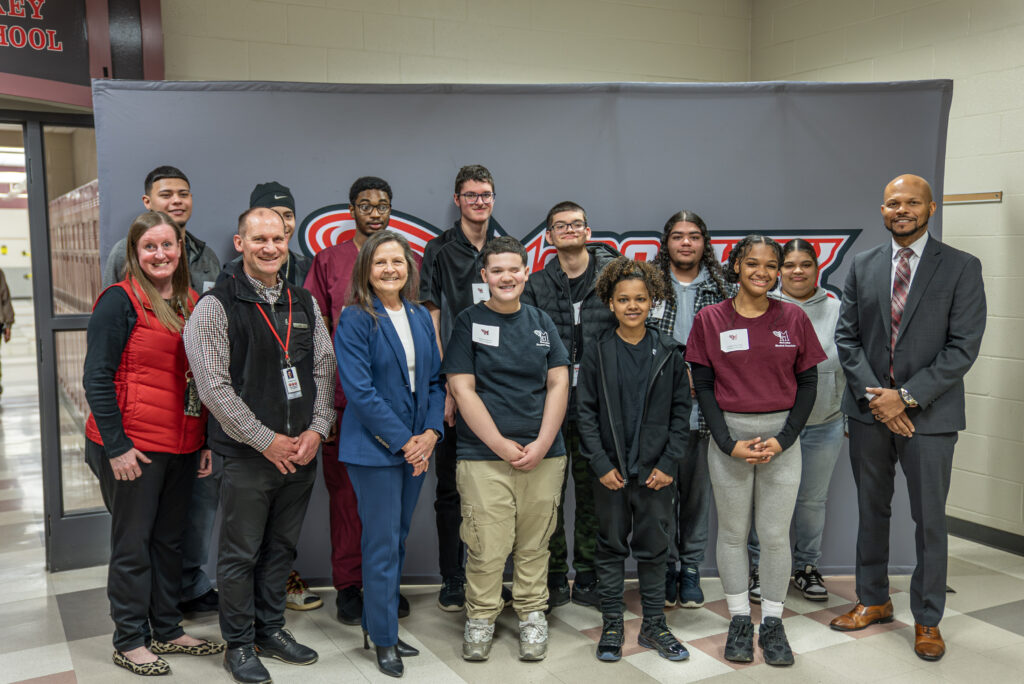
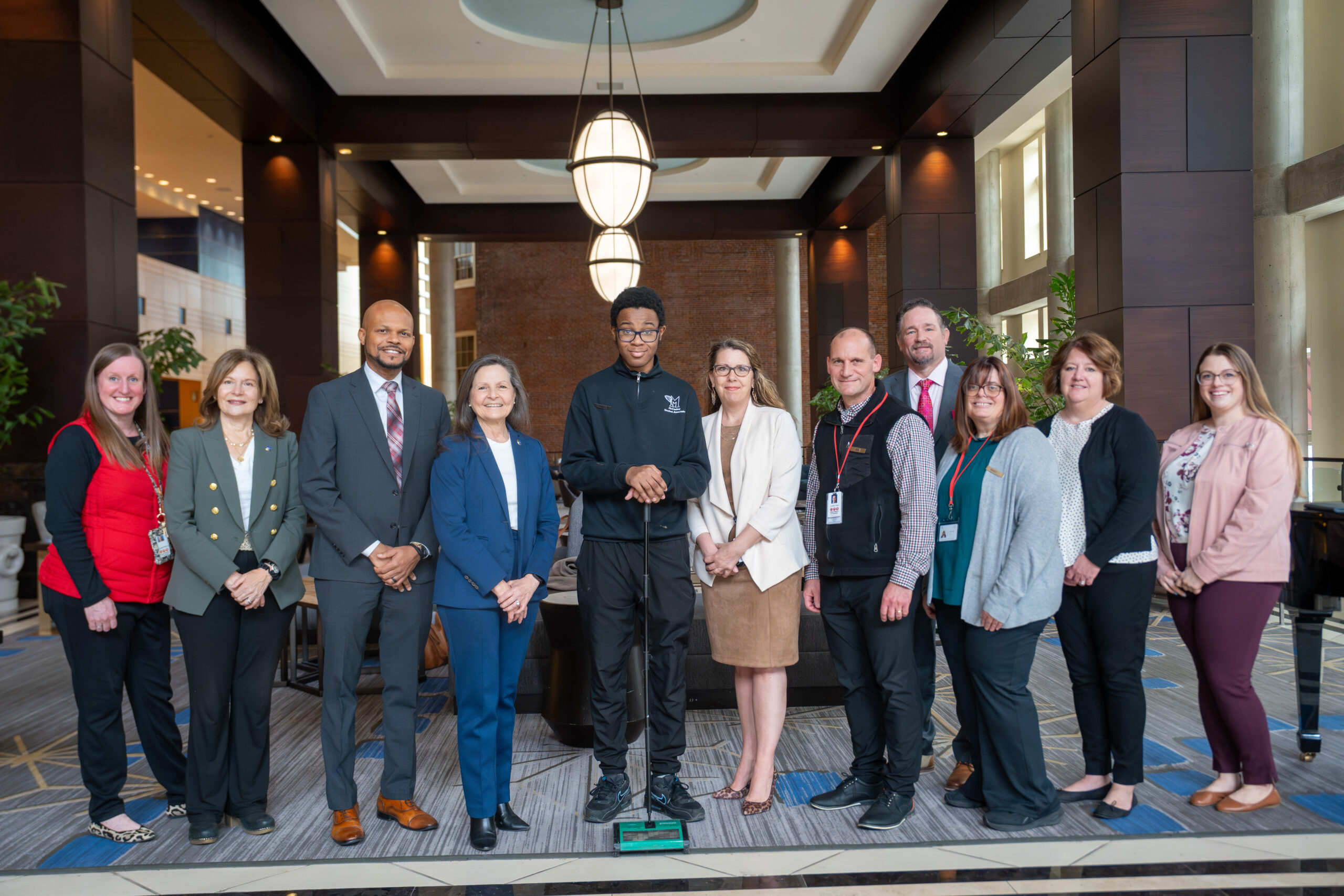
When Nancy A. Walker, Secretary of the Pennsylvania Department of Labor & Industry, visited Lancaster, the focus was on what’s possible when opportunity is intentionally built. Inside the Lancaster Marriott at Penn Square and the Lancaster County Convention Center, students weren’t observing. They were working, gaining real-world experience in environments that demand accountability, communication, and confidence.
The visit highlighted a program that’s making a measurable difference in the lives of young people with disabilities. Through the Office of Vocational Rehabilitation (OVR), students are participating in paid, work-based learning, earning college credits, and preparing for both careers and postsecondary education. It’s part of a broader statewide effort to expand opportunity, ensuring every Pennsylvanian has the freedom to chart their own course and the support to succeed.
What that moment captured was important. What it didn’t fully show is where that work begins.
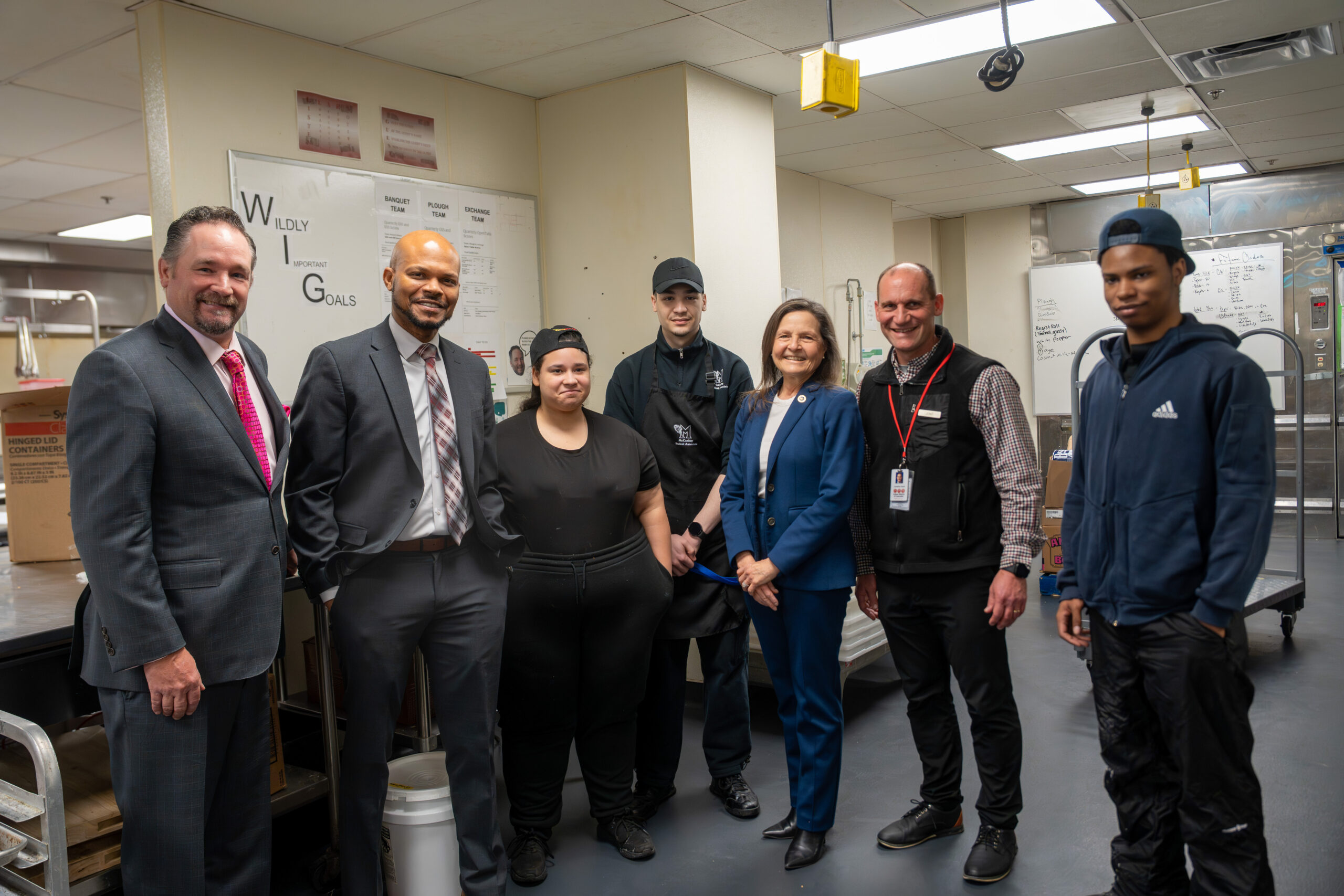
In the School District of Lancaster, this work starts long before a student enters a workplace. It starts in classrooms where students begin to understand their strengths, build foundational skills, and explore what their future could look like. For students with disabilities, that pathway isn’t always clear without intentional support. That’s where partnerships like OVR become essential.
For nearly a decade, SDoL has worked alongside OVR and local employers to create a system that connects education directly to employment and college pathways. It’s not about placing students into jobs. It’s about preparing them for independence.
Students begin with career readiness instruction that focuses on communication, professionalism, time management, and workplace expectations. From there, they transition into paid, hands-on work experiences with local employers, where they apply those skills in real environments. These experiences are designed to mirror the workforce, allowing students to take on responsibility, solve problems, and grow through experience.
The results reflect that level of intention. In the most recent program year, more than 200 students participated in career readiness instruction. Over 50 students completed intensive work-based learning experiences. More than half of participating seniors secured employment by graduation, an outcome that reflects both individual growth and the strength of the system supporting them.
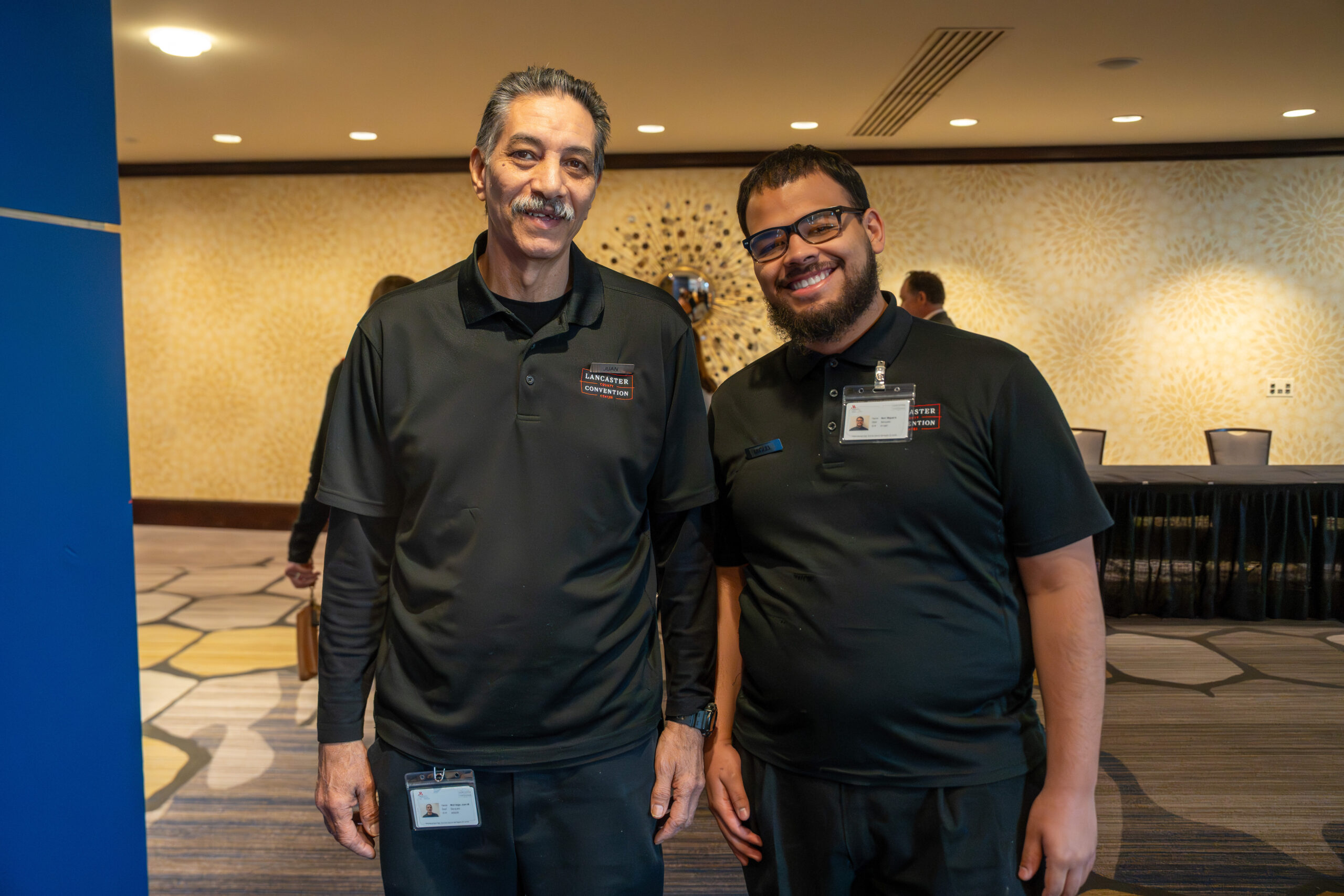
Students don’t navigate this process alone. Job coaches provide hands-on support at the beginning, helping students adjust to expectations and build confidence. As students grow more independent, that support gradually decreases, allowing them to take ownership of their work and their progress.
At the same time, students are introduced to postsecondary opportunities. Through partnerships with Harrisburg Area Community College, many students gain access to college coursework and campus experiences, often as first-generation college students. These experiences help students make informed decisions about their futures and see themselves in spaces that may have once felt out of reach.
“Our nine-year partnership with OVR allows us to support students who may not otherwise have a clear pathway from high school to meaningful employment,” said Jonathan Good, a vocational special education teacher at McCaskey. “By working closely with local businesses, we’re able to offer hands-on experiences that build confidence, develop workplace skills, and help students reach their full potential while also strengthening our local workforce.”
That connection between education and workforce development is central to this work. Students who gain early work experience are significantly more likely to secure employment after graduation. Programs like OVR are designed to create those opportunities while ensuring students have the support needed to succeed in them.
At the state level, this work is being reinforced through continued investment. Governor Josh Shapiro’s proposed 2026–27 budget includes increased funding for OVR to expand access to services like assistive technology, transition supports for students, and specialized services for individuals who are DeafBlind or have other disabilities. The proposal also includes additional investments in career and technical education, school-to-work pathways, and industry partnerships, reflecting a broader commitment to building an inclusive and prepared workforce across Pennsylvania.
Through initiatives like the MY Work program, OVR expects to connect more than 1,000 students to paid work-based learning experiences across all 67 counties in summer 2026. These efforts are grounded in a clear understanding that access to opportunity changes outcomes, not just for individual students, but for entire communities.
In Lancaster, that vision is already in motion.
The district’s approach to preparing students for life after graduation is rooted in the belief that learning should extend beyond the classroom. That means creating opportunities for experiential learning, building partnerships with employers, and ensuring every student has access to pathways aligned with their interests and goals.
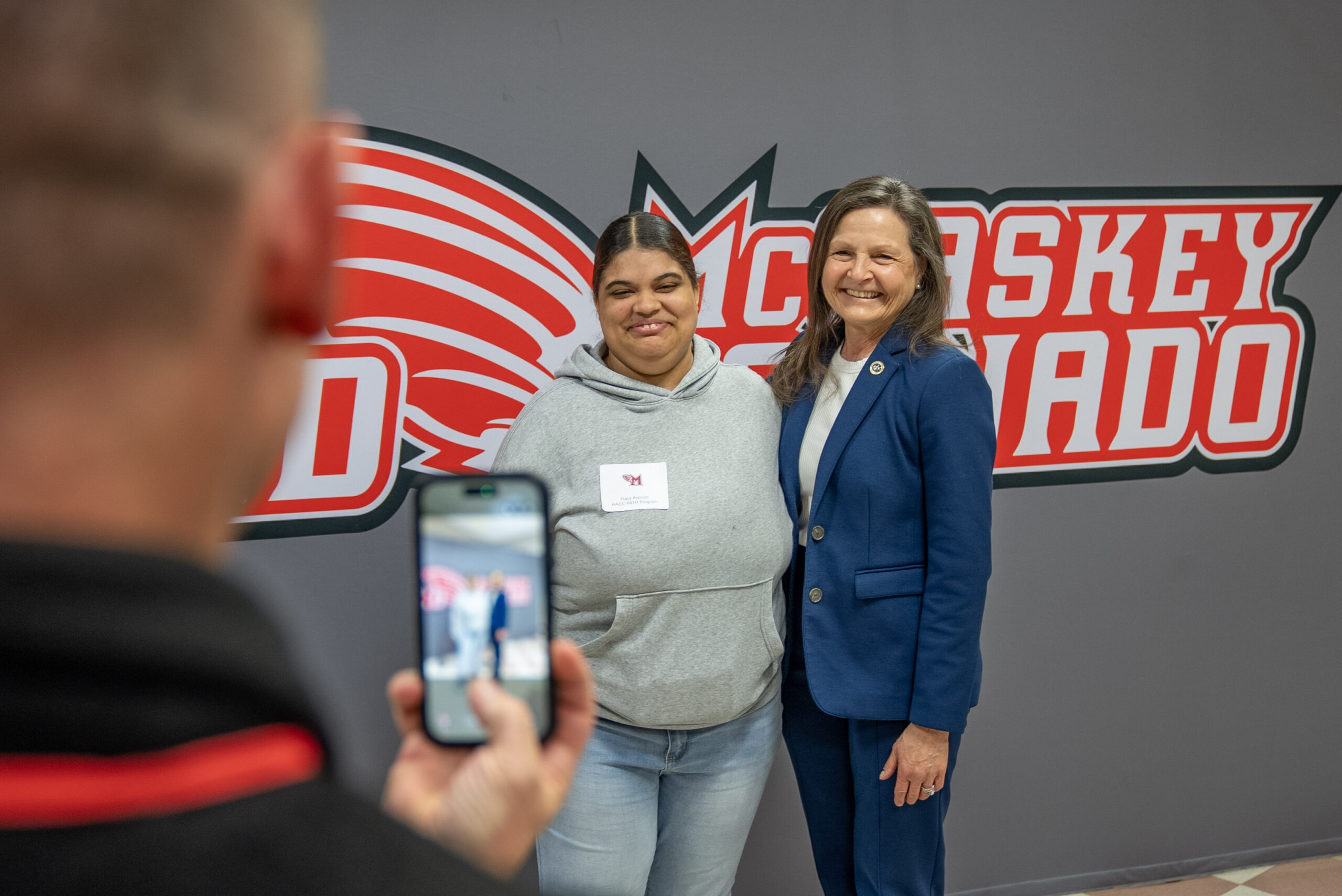
Local employers play a critical role in making that possible. By mentoring students and opening their workplaces, they’re helping to build a workforce that’s more inclusive, more prepared, and more connected to the community. Many employers share that working with students strengthens their teams, bringing new perspectives and reinforcing the value of investing in the next generation.
What makes this work effective is the alignment behind it. Schools, families, employers, and state partners are working together with a shared purpose. It’s not just about helping students graduate. It’s about ensuring they leave with experience, direction, and the confidence to take their next step.
The visit from Secretary Walker brought visibility to a program that’s producing strong outcomes. What it represents is something larger. It shows what’s possible when opportunity is intentional, when partnerships are sustained, and when students are supported every step of the way.
In Lancaster, that work continues every day. It starts in our classrooms and extends into workplaces across the community. It grows through partnerships and is sustained by a shared commitment to student success.
Because preparing students for the future isn’t a single moment. It’s a process built over time, shaped by experience, and strengthened by the belief that every student deserves the opportunity to succeed.