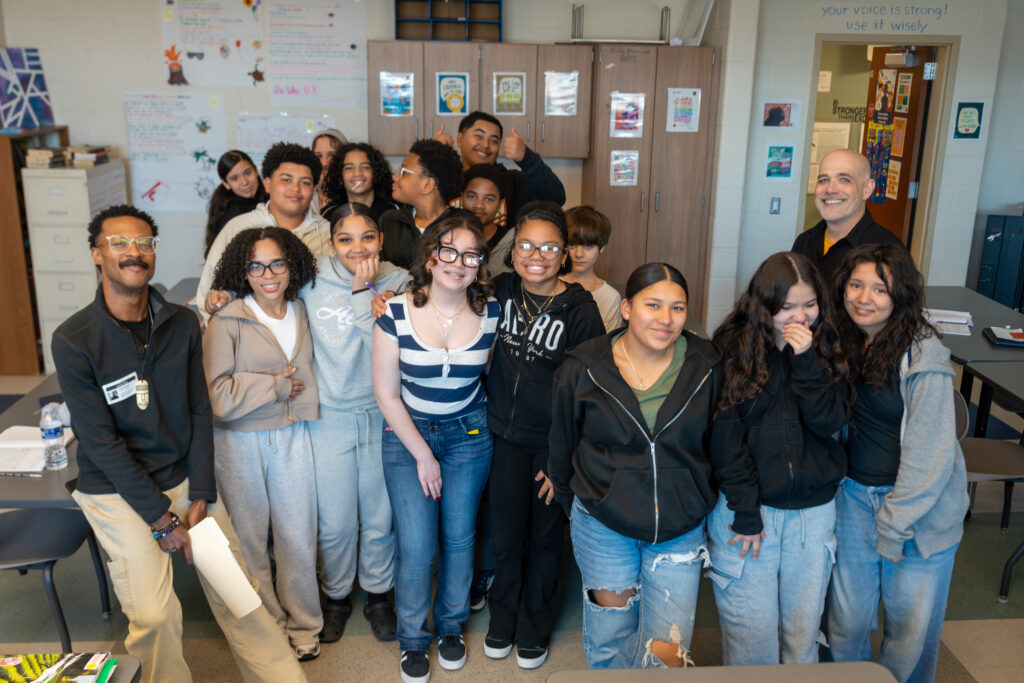
At Lincoln Middle School, history isn’t something confined to textbooks or timelines. It’s something students are stepping into, questioning, and beginning to carry forward in their own voices.
What started as a simple idea quickly grew into a powerful, interdisciplinary learning experience. John Spurlock, a long-time building substitute at Lincoln MS, reached out to new Individuals & Societies teacher Evan Suwalski with an offer to share a lesson on the Christiana Resistance. That outreach came at just the right time.
Eighth grade Language & Literature teacher Sean Hogan (they/them) had already been building a unit designed to help students explore theme through the lens of resistance, justice, and how individuals respond to oppression. The opportunity to connect that work with a locally rooted historical event created the foundation for something much bigger than a single lesson.
The educators designed a week-long collaboration that invited students to examine history not as isolated moments, but as a series of connected experiences shaped by the pursuit of justice.
Throughout the week, students engaged with multiple historical events that challenged them to think critically about power, resistance, and voice. They studied the MOVE bombing in Philadelphia, examined the Tulsa Race Massacre, and learned about the Children’s March in Birmingham. Each lesson built on the last, helping students recognize patterns in history and understand how individuals and communities have responded to injustice over time.
Threaded through all of this learning was the Christiana Resistance, a significant event in Lancaster County history. By grounding the unit in a local story, students were able to see that the fight for freedom and justice did not just happen in distant places. It happened here, in their own community.
“We have a guest speaker who is talking about the Christiana Resistance,” Hogan shared. “Students have just learned about the MOVE bombing in Philadelphia and the Tulsa Massacre in Oklahoma, and they’re also getting a lesson on the Children’s March. What we’re doing is helping students make connections between events from the past and some of the experiences they’re living through today.”
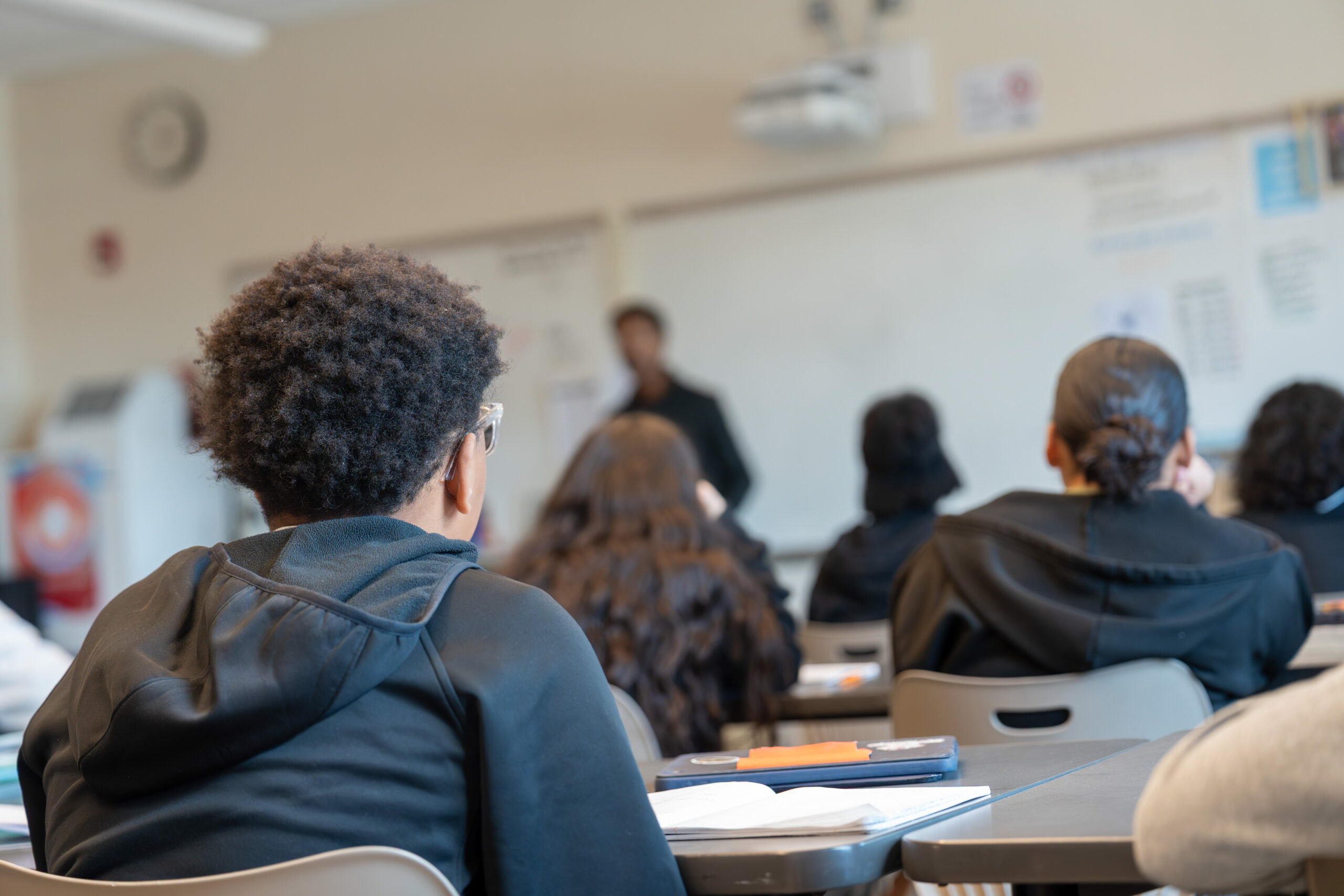
The classroom quickly became a space of curiosity and reflection. Students asked questions, made connections across time periods, and began to identify common themes. They explored what it means to stand up for what is right, the risks that often come with that decision, and the ways individuals and communities can work together to challenge injustice.
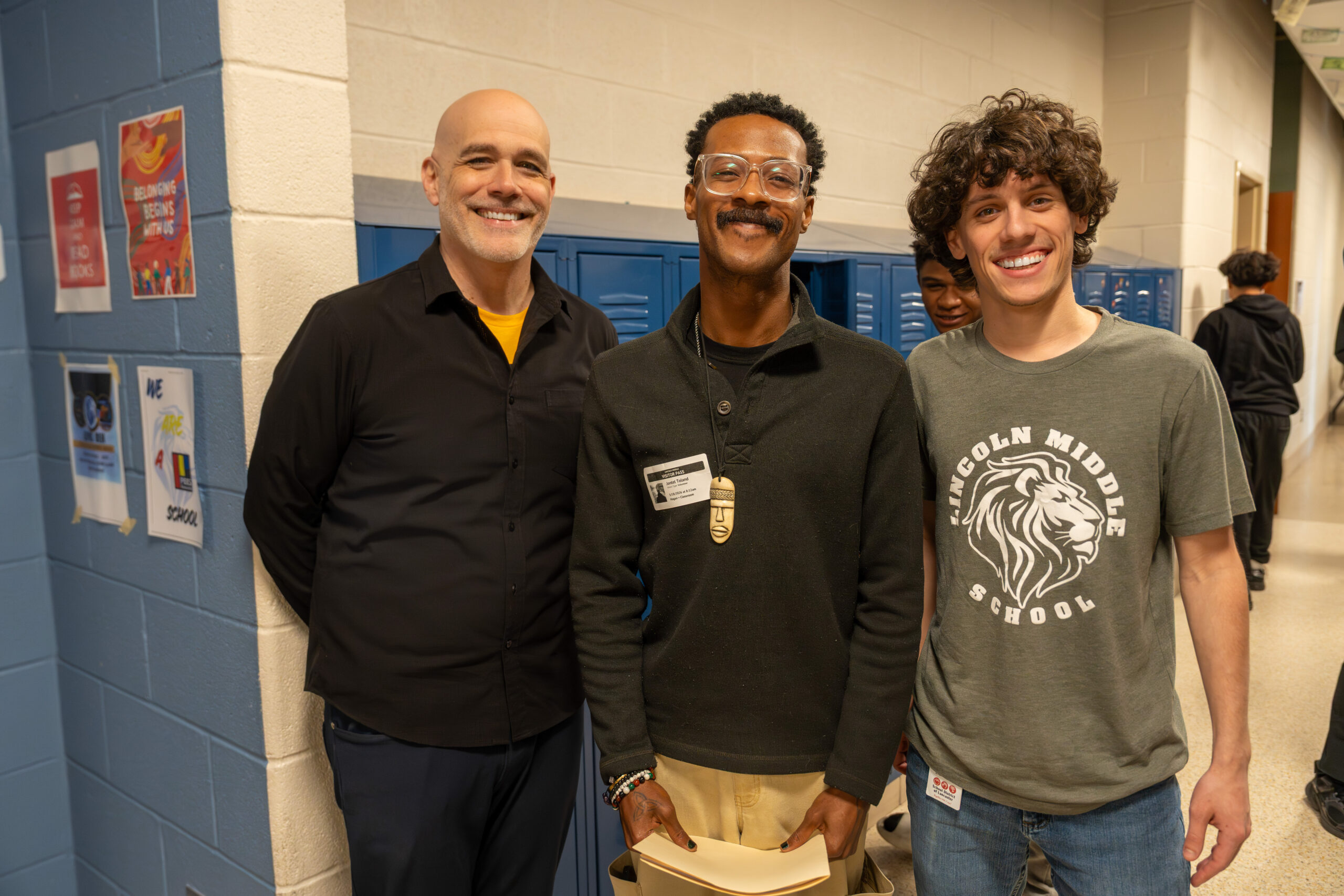
The experience culminated with a visit from Jontel Toland, known as CircumstantialSaint, a poet, artist, and revolutionist whose connection to the Christiana Resistance is both historical and deeply personal. As a descendant of those involved in the resistance, Toland brought a perspective that transformed the lesson from academic to lived experience.
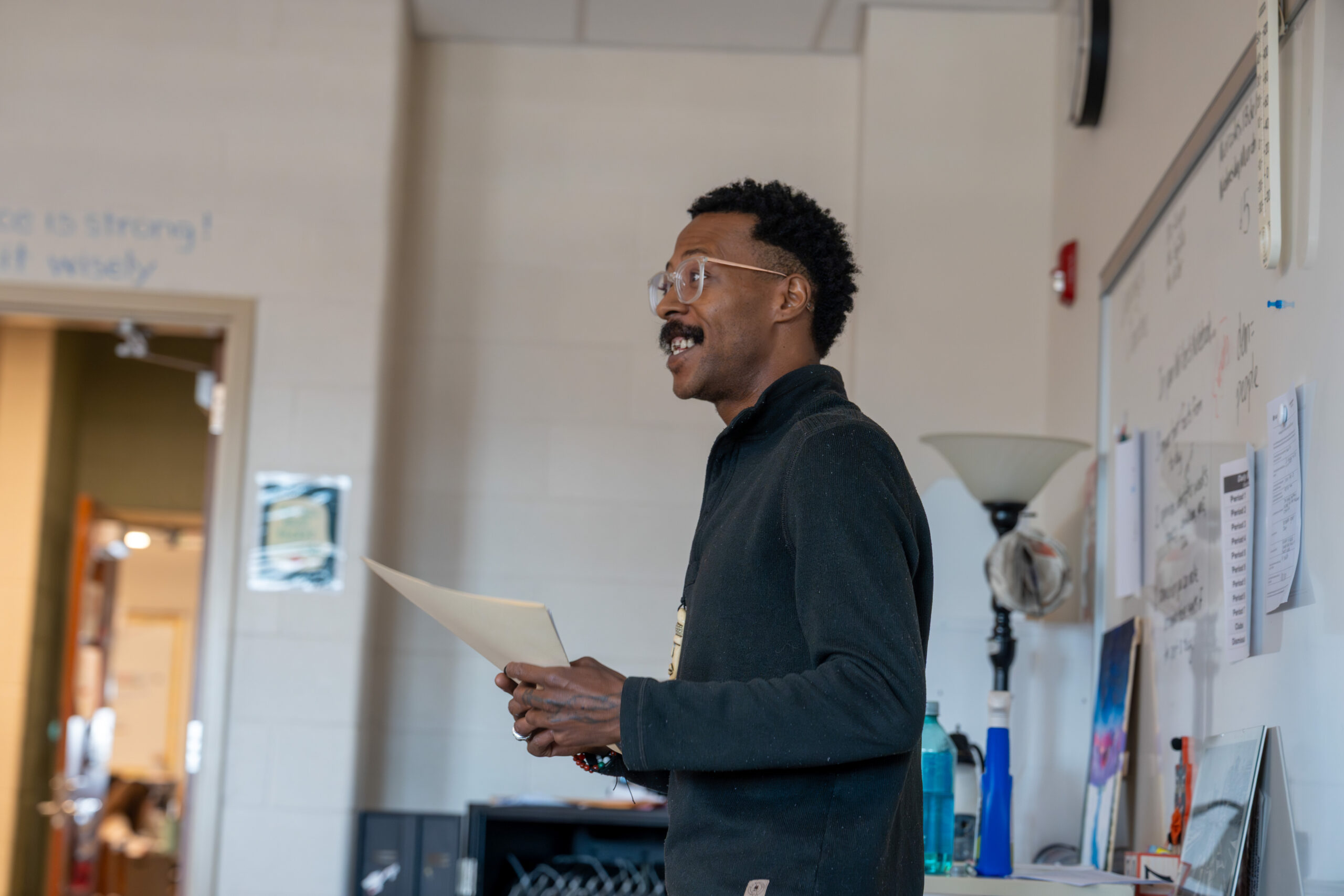
Standing in front of students, Toland shared how history continues to shape identity, purpose, and responsibility.
“I’m speaking about my relation to the Christiana Resistance and how it plays a part in local freedom,” Toland said. “I’m literally carrying on the legacy of local ancestors.”
Through storytelling and reflection, he helped students understand that the past is not something separate from them. It’ss something they carry and build upon.
“It’s important for students to know that they can be encouraged to speak up about things that they feel are wrong,” Toland shared. “To not be afraid to share how they feel about anything they witness or anything they feel within themselves, and to inspire other people to speak out as well.”
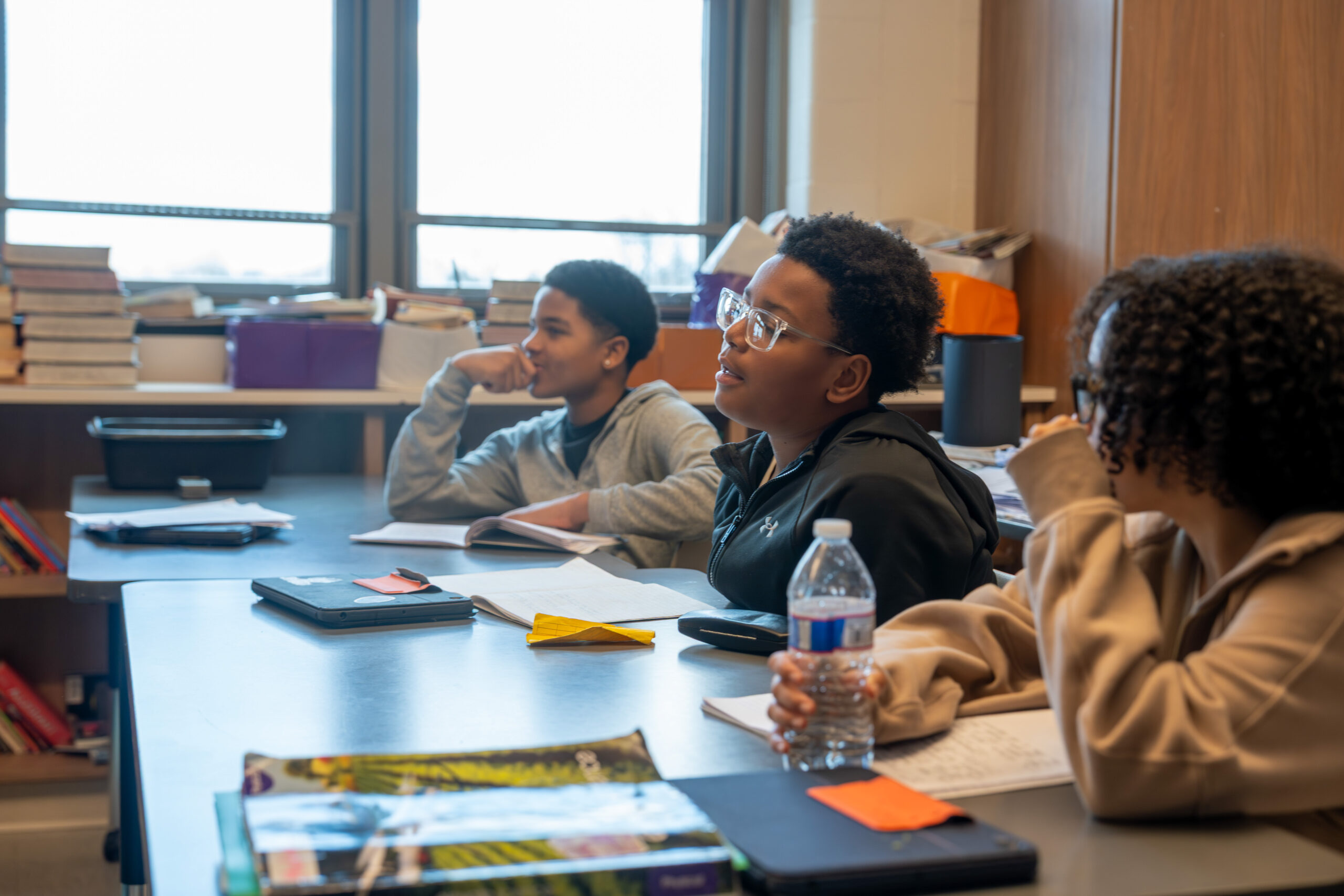
His message resonated throughout the room. Students were seeing themselves in the work. Toland also emphasized the importance of understanding one’s own story and using that knowledge to create impact.
“I’m really happy to be here and share what I’ve learned,” he said. “Not only continuing the legacy, but hoping this sparks an interest in these students’ own past and how they can take what they’ve learned and apply it to help other people today.”
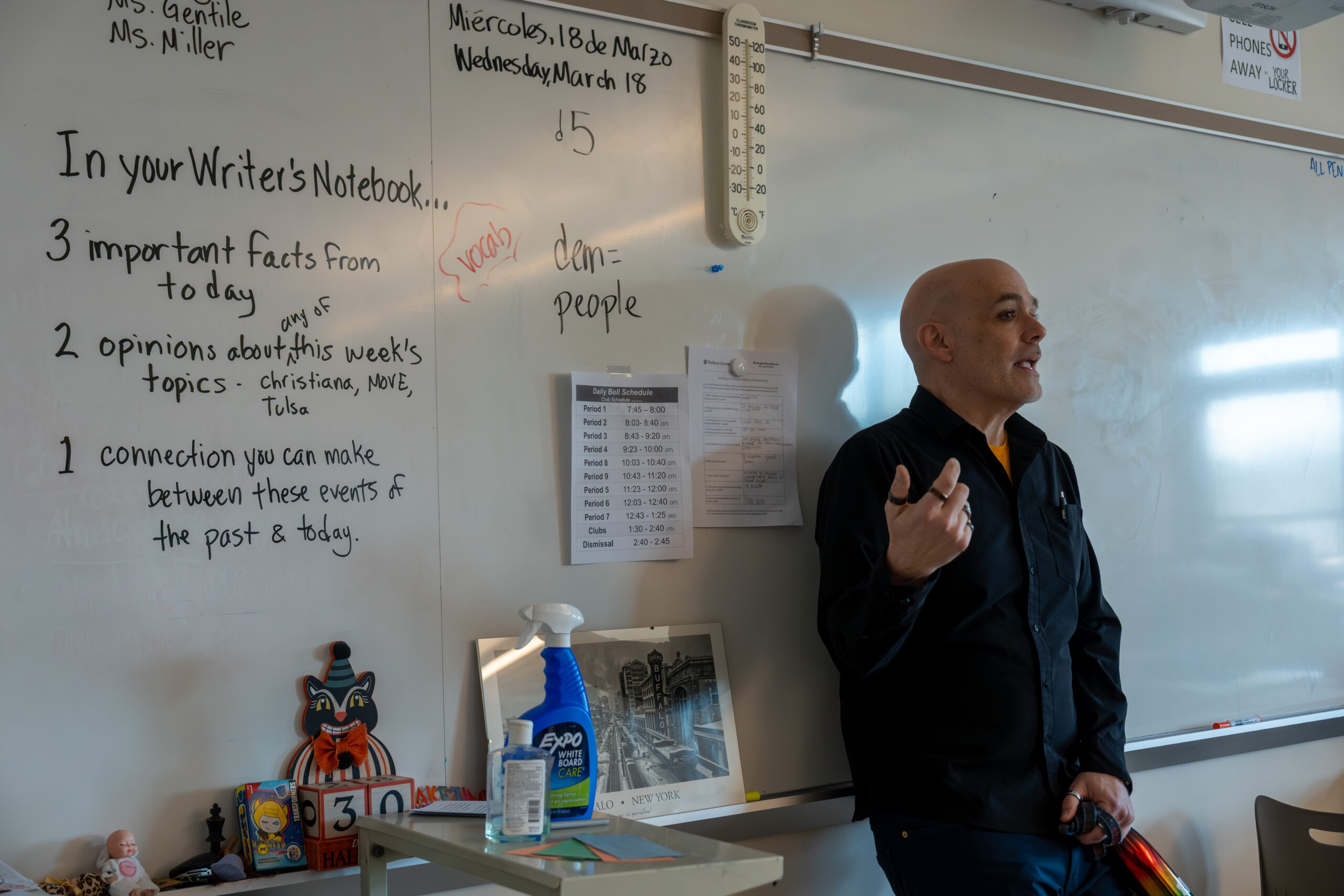
For Hogan, this moment was exactly the goal. “We want kids to be able to understand the world that they’re living in in a holistic way,” they explained. “So they understand what came before, how we got here, so they can make the best of today and get us all to a better future.”
They also hope students walk away with a deeper understanding of their own potential. “I hope they see examples of how ordinary human beings can make a huge difference in the world,” Hogan said.
That vision was visible throughout the week. The collaboration between teachers, community members, and artists created a learning environment that felt both rigorous and deeply human. It allowed students to see that history isn’t fixed. It’s something that continues to evolve through the voices and actions of individuals.
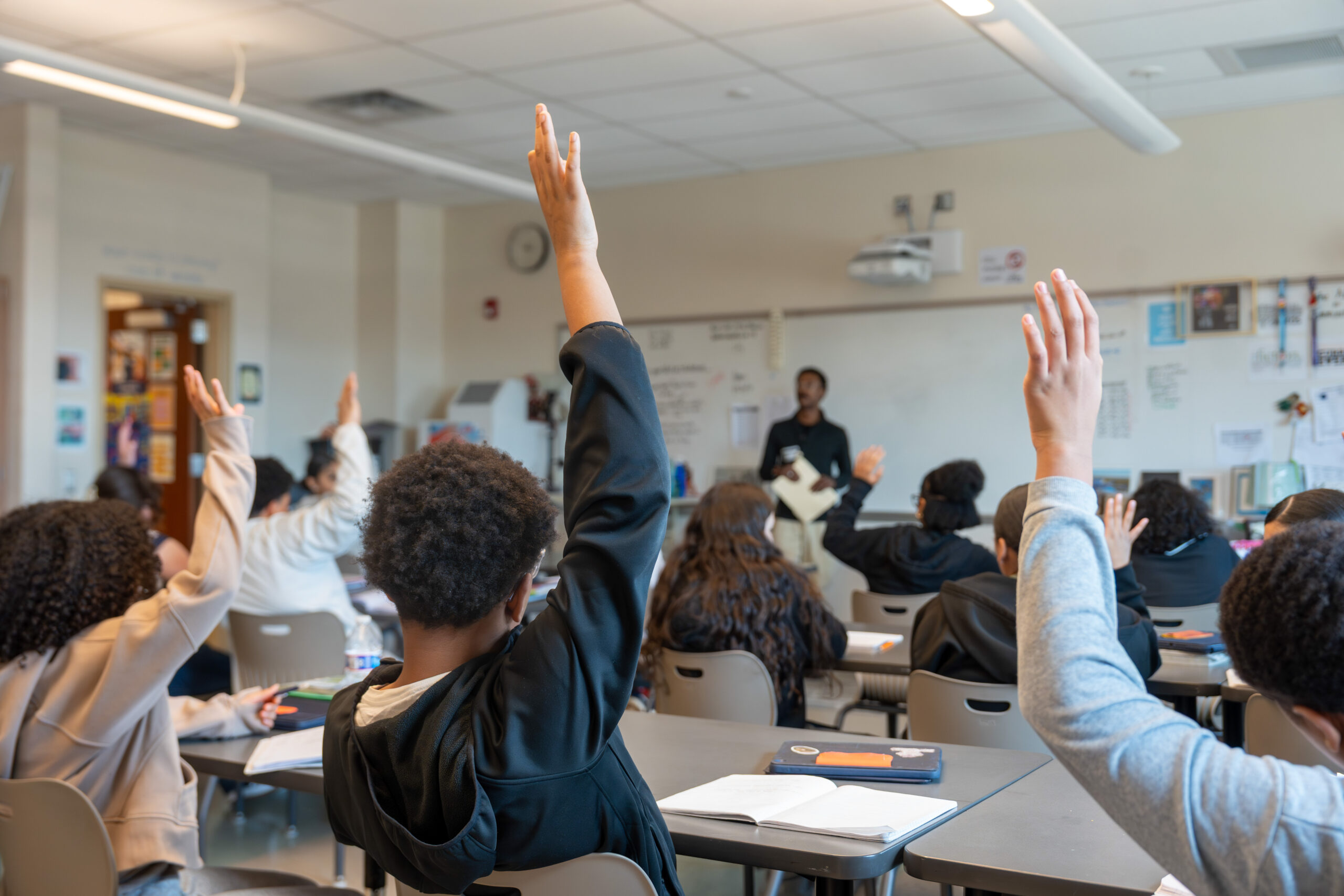
At Lincoln Middle School, this work reflects a larger commitment to creating learning experiences that are meaningful, relevant, and empowering. By connecting curriculum to real-world issues and local history, students are given the opportunity to see themselves not just as learners, but as thinkers and change-makers.
By the end of the week, something had shifted.
Students were no longer just studying resistance. They were beginning to understand what it means to embody it. They were recognizing the power of their own voices, the importance of their perspectives, and the role they can play in shaping a more just and equitable future.
These are the moments that stay with students long after the lesson ends.