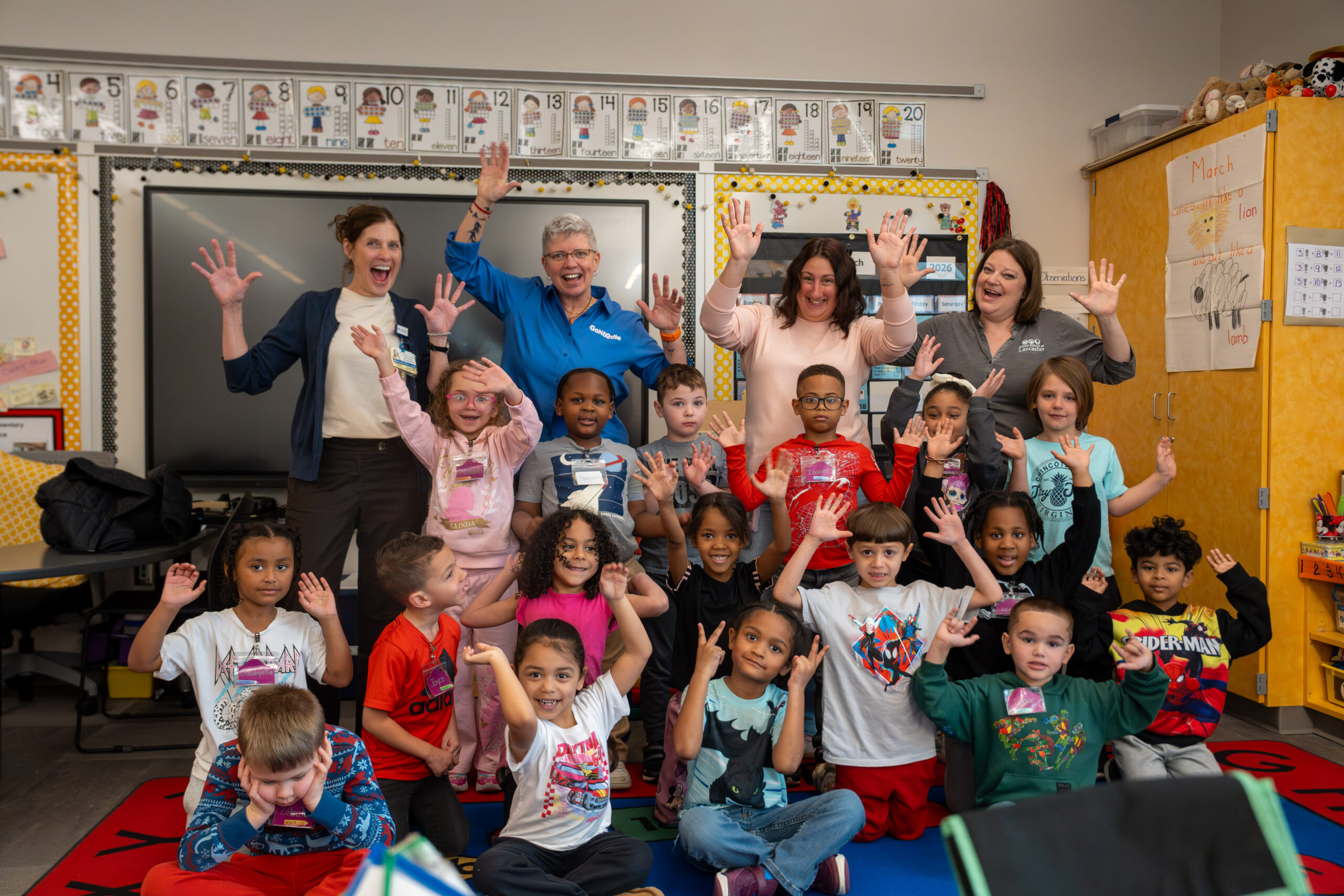
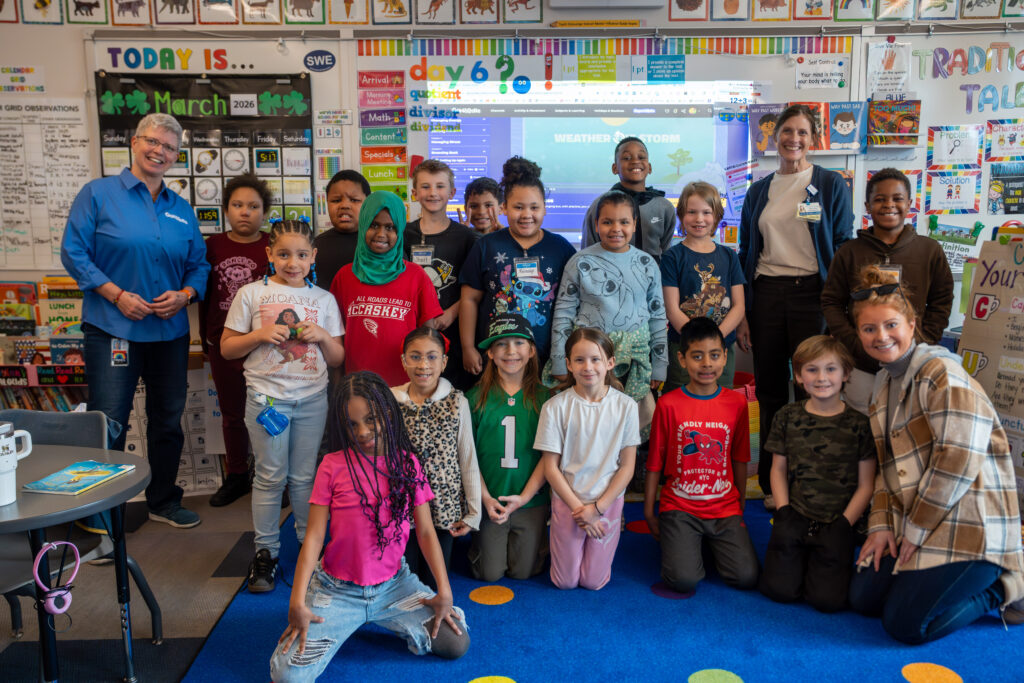
On a day filled with energy, anticipation, and the kind of restlessness that naturally builds in young learners, a classroom at Smith-Wade-El Elementary didn’t try to push those feelings aside. Instead, it made space for them.
At the front of the room, a simple visual helped students make sense of what they were experiencing. Emotions can feel like a jar filled with swirling glitter. Busy. Unsettled. Hard to focus. But given time, space, and the right tools, that glitter begins to settle.
That understanding sits at the heart of the School District of Lancaster’s partnership with GoNoodle and the implementation of SuperNoodle, a structured social-emotional learning experience designed to help students build the skills they need to navigate both their emotions and their learning.
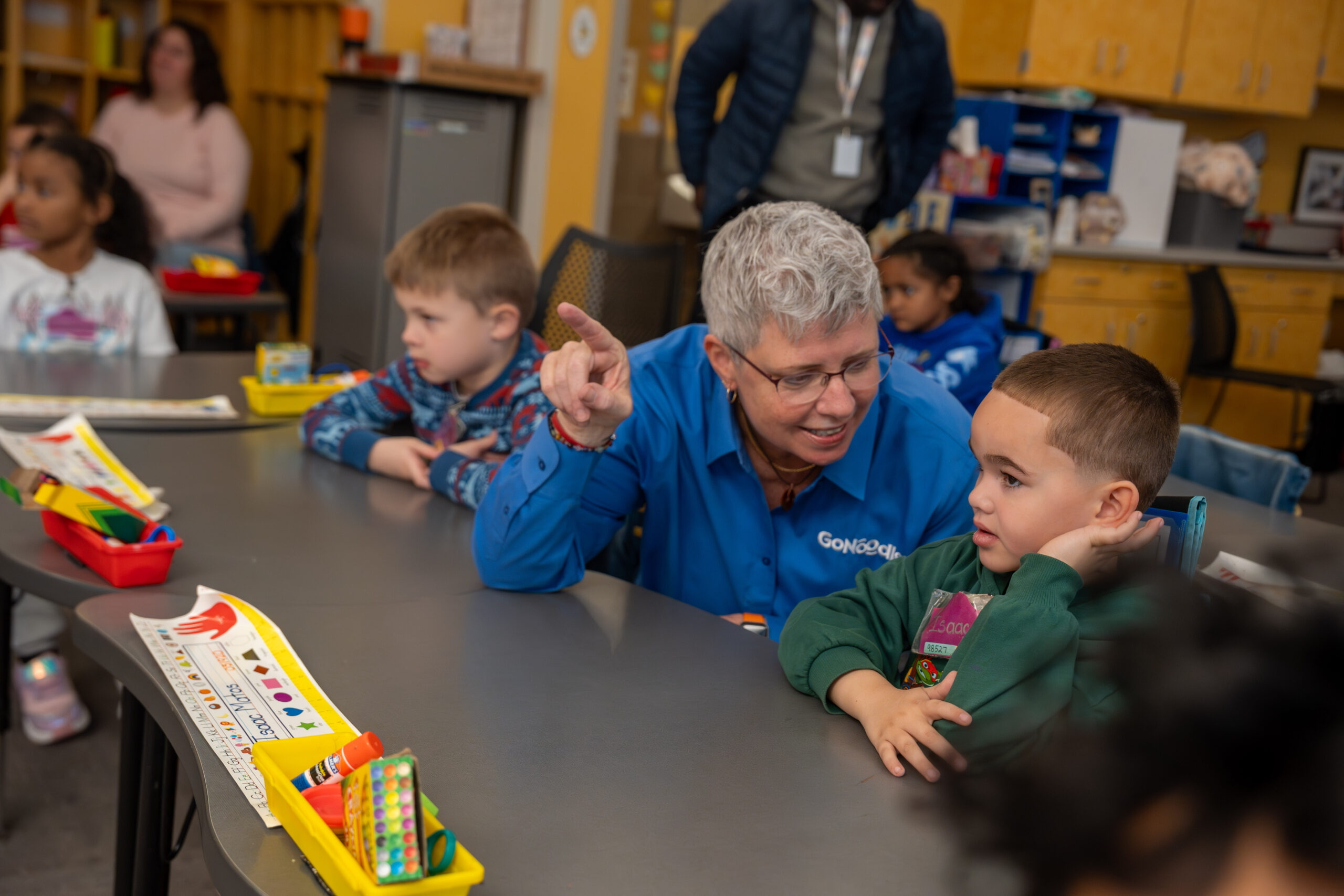
Wynne Kinder, Head of Education at GoNoodle and a Lancaster native, has helped shape SuperNoodle into more than a classroom resource. It is a comprehensive approach to helping students practice essential skills like self-awareness, connection, collaboration, and creativity in real time. The program integrates into frameworks already familiar to schools, offering a consistent way to support all students.
GoNoodle has long been a presence in classrooms, using short, engaging videos to get students moving and refocusing. SuperNoodle builds on that foundation by adding structure. Each lesson is designed to guide students through a full experience, from awareness to action.
Students begin by checking in. They reflect on how they feel in the moment. Some are ready and open. Others are hesitant or unsure. That honesty becomes the starting point.
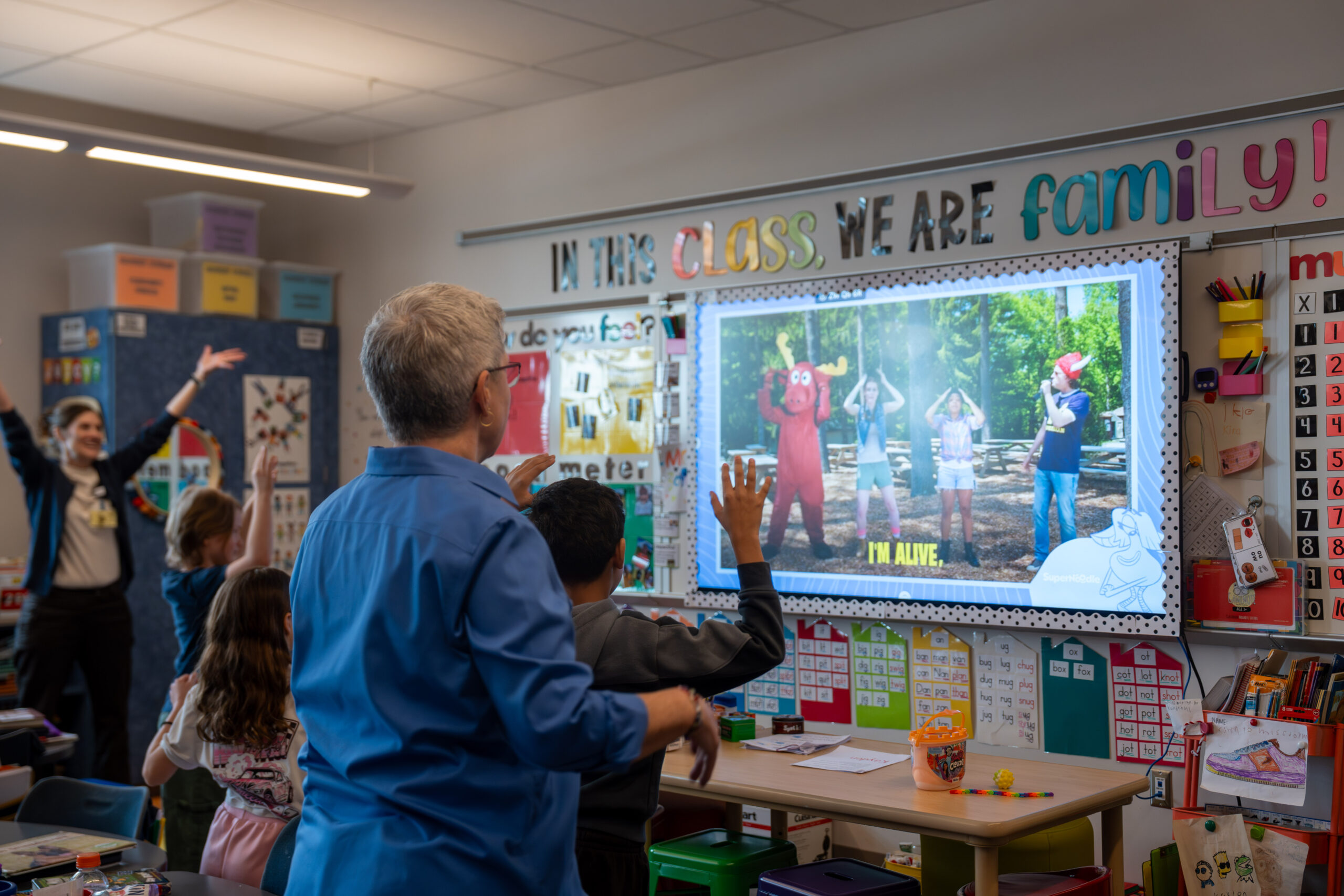
From there, a short story introduces a concept students can relate to.
“In that lesson, we’re asking students to think about how they feel about trying new things,” Kinder said. “Are you open, closed, or somewhere in between? Just that awareness is a powerful place to start.”
Students are then invited to move. Not in a rigid way, but in a way that feels natural to them. Some dance. Some clap. Some simply watch. All of it is participation.
“That choice is really important,” Kinder said. “Students can join in how they choose. They don’t have to know the moves. They don’t even have to get up. They can just be part of it.”
After movement, the room shifts.
Students are guided through a brief moment of breathing and focus. The energy settles. What was once scattered begins to come together.
“They’re learning how their bodies feel and how their emotions feel,” Kinder said. “That connection is what helps them reset.”
The lesson then moves into application. Students create, write, or collaborate, building on what they just experienced. In one classroom, that meant working together to write a rap and a poem, connecting creativity with teamwork and expression.
By the end, students check out. They reflect again. It’s in that moment where growth becomes visible.
A student who entered the room feeling overwhelmed described himself as calm and ready to learn by the end of the lesson. That shift, recognizing how you feel, experiencing change, and naming it, is a skill that builds over time.
“That awareness is everything,” Kinder said. “When a student can say, ‘I felt this way, and now I feel different,’ that’s where the learning sticks.”
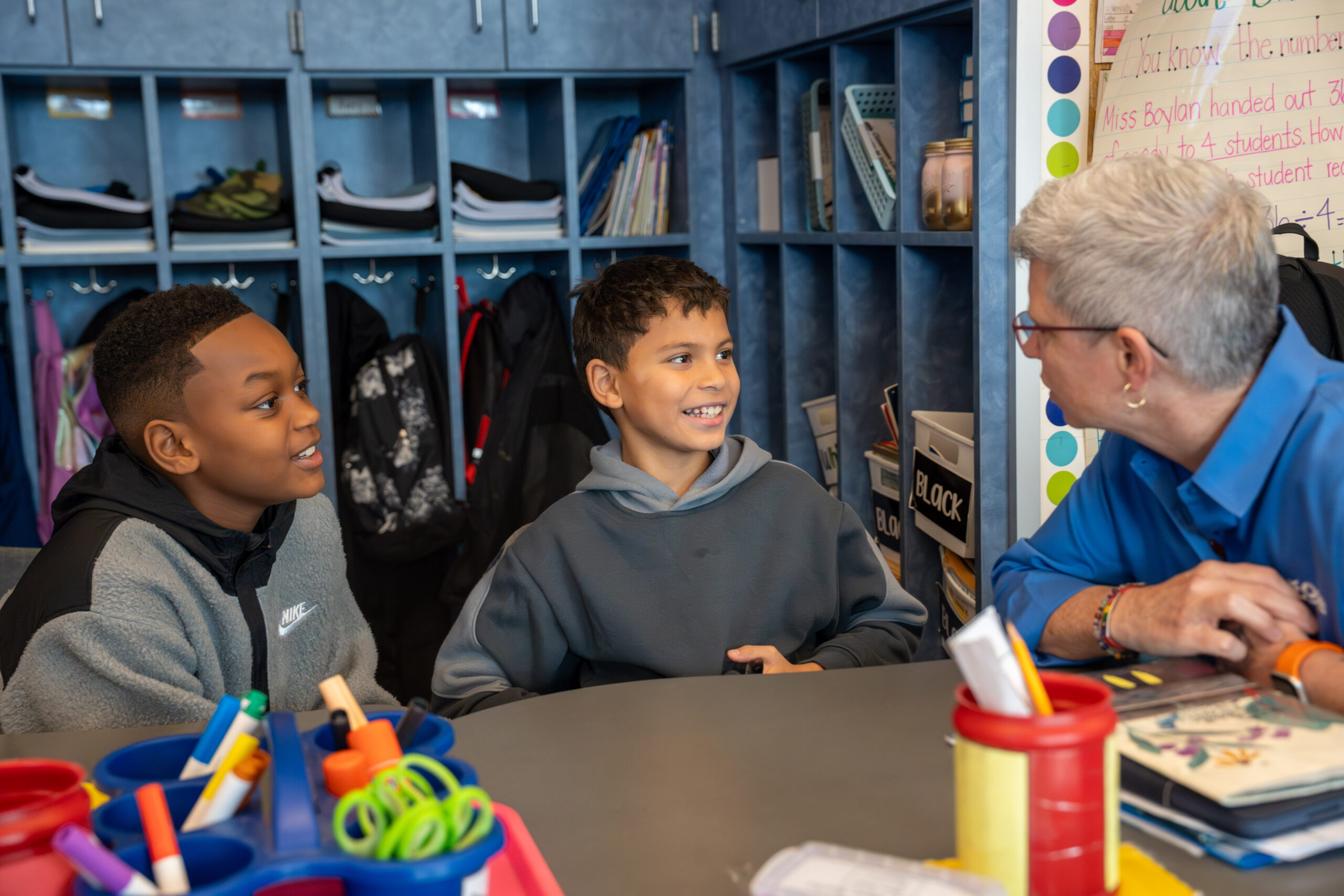
SuperNoodle is designed with that repetition in mind. When students engage in these practices consistently, they begin to internalize them. What starts as a guided experience becomes something they can access on their own.
“If this is happening consistently, students start to recognize, I can check in with myself, I can adjust, or I can stay where I am and understand that too,” Kinder said.
Choice remains central throughout.
Students are not required to participate in one specific way. They are given the flexibility to engage at their own pace. For some, that means movement. For others, it means observation. That choice creates a classroom environment where students feel safe to show up as they are.
For educators, the program provides both structure and support.
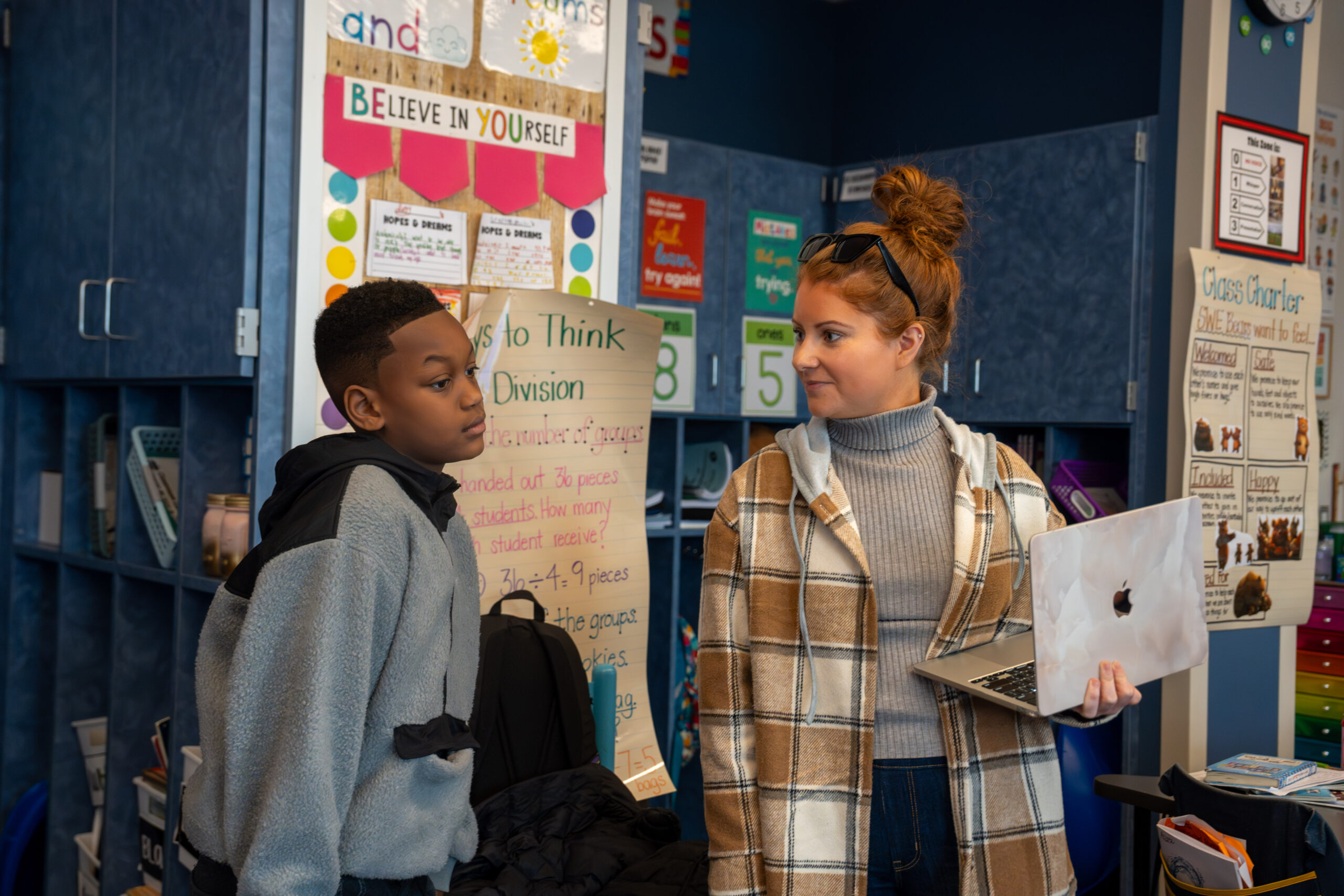
Teachers are not stepping back. They are stepping in. Participating alongside students. Modeling engagement. Building connection. That shared experience strengthens classroom culture in ways that extend beyond a single lesson.
At Smith-Wade-El, that growth is happening in real time.
Principal Amy Martz has seen how both students and staff have embraced the program.
“Our teachers really enjoy using it, and the students love when teachers are part of it with them,” Martz said. “When teachers are up there moving and engaging, it makes a difference.”
Teachers have embraced the program, supported through professional learning and ongoing use in their classrooms. Students look forward to it. More importantly, it has created a space where both students and staff are more mindful of their mental and physical well-being.
The impact extends beyond one school.
Through community partnership, access to SuperNoodle has expanded across Lancaster County, reaching thousands of students. It reflects a shared understanding that social-emotional learning is not an extra. It is essential.
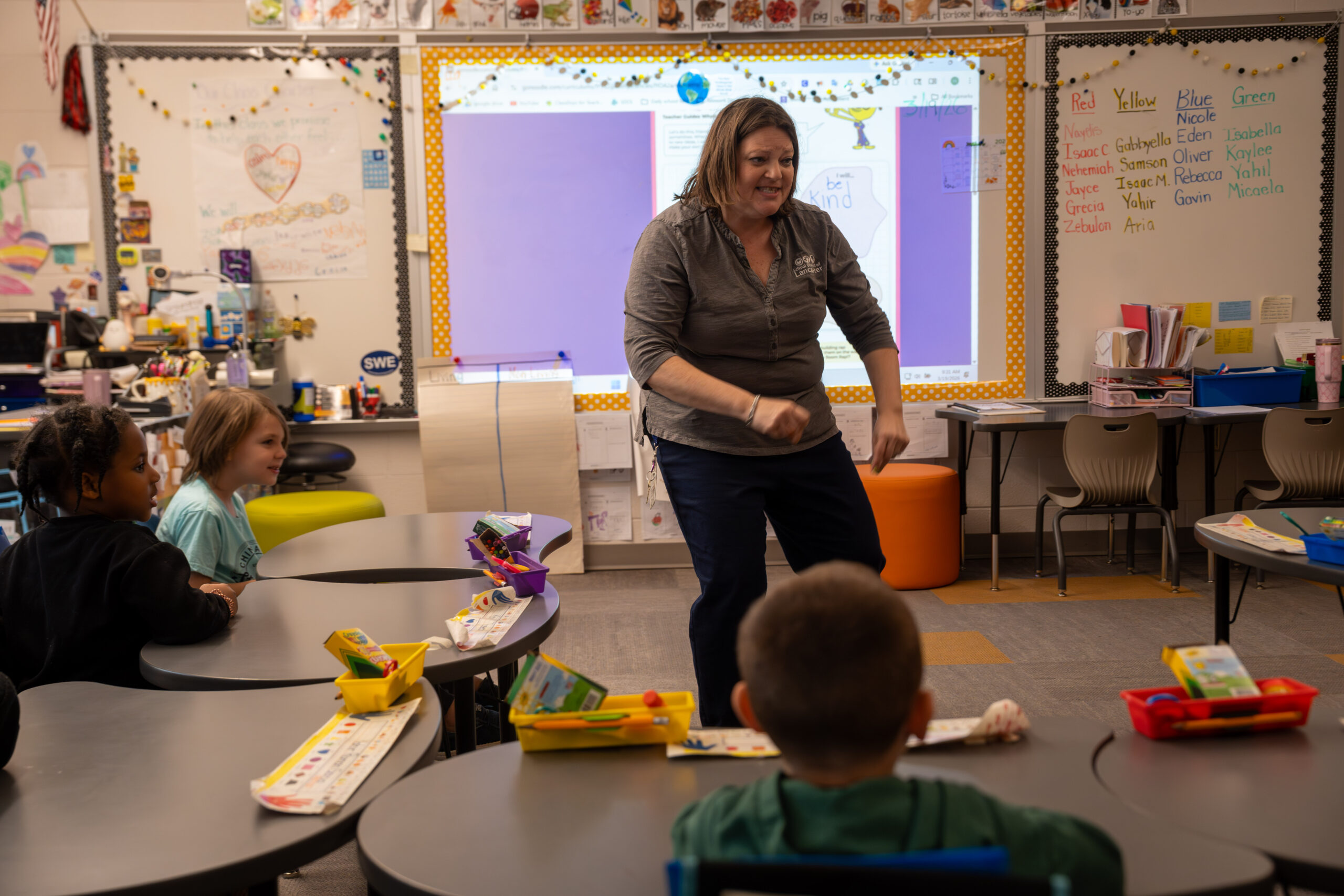
Students today need intentional opportunities to practice skills that were once learned more naturally through everyday interaction. Programs like SuperNoodle provide that opportunity, giving students tools to understand themselves and connect with others.
This work reflects a broader commitment within the School District of Lancaster.
Academic success remains a priority, but it is strengthened when students are supported socially and emotionally. When students can regulate their emotions, they are better prepared to focus, collaborate, and engage.
At Smith-Wade-El, that work is visible in moments that might seem small. Students moving freely across a classroom.
A teacher joining in. A pause for breath. A student recognizing that they feel different than they did just minutes before.
These are not just activities. They are building blocks. Because when students learn how to understand themselves, they are better prepared to understand the world around them. And in classrooms across the School District of Lancaster, that work is happening every day, one movement, one breath, and one moment of awareness at a time.