Computer Science Education Week invites schools across the country to highlight why computer science matters and to celebrate students who are using technology to shape their futures. At the School District of Lancaster, the focus of this week is not only on what students are learning in classrooms. It’s also on how they are applying those skills to strengthen their community.
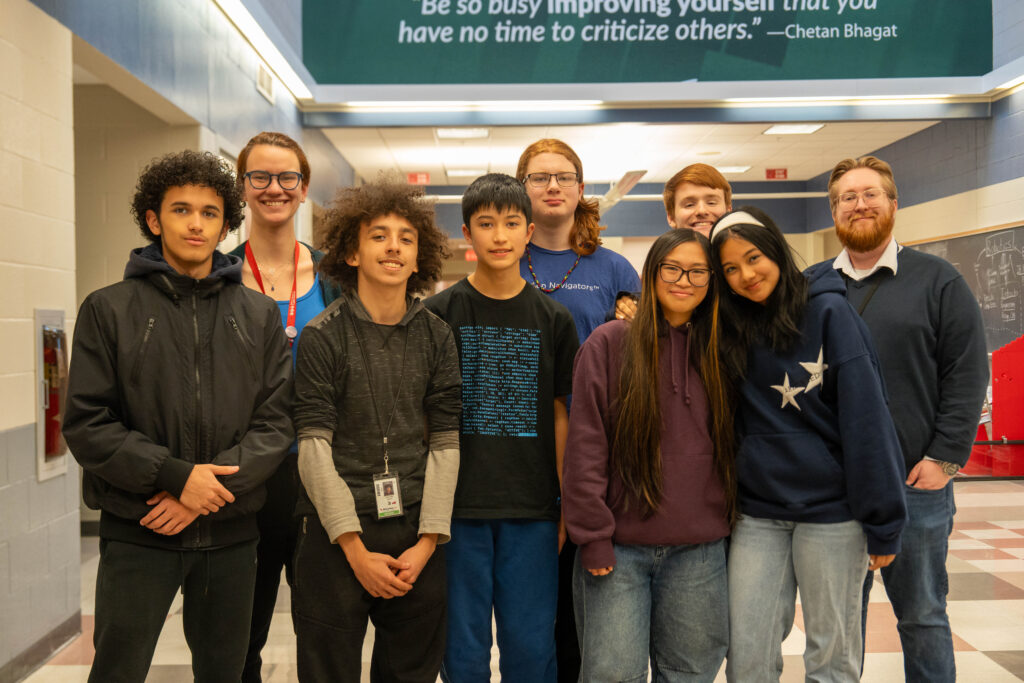
At McCaskey, the heart of that work lives within a group of students who have chosen to use computer science to create meaningful change. They call themselves the TECHnadoes, a name that reflects the energy and initiative they bring to every meeting, every workshop, and every conversation about digital equity.
The TECHnadoes formed when computer science teacher Kai Barclay received an invitation from Kinber, a statewide organization focused on digital equity. Kinber offered training and support for schools that wanted to expand digital literacy for adults and families. That opportunity connected McCaskey with Teens Teach Tech, a national program that trains high school students to teach technology skills to adults who may not have had access to this kind of support.
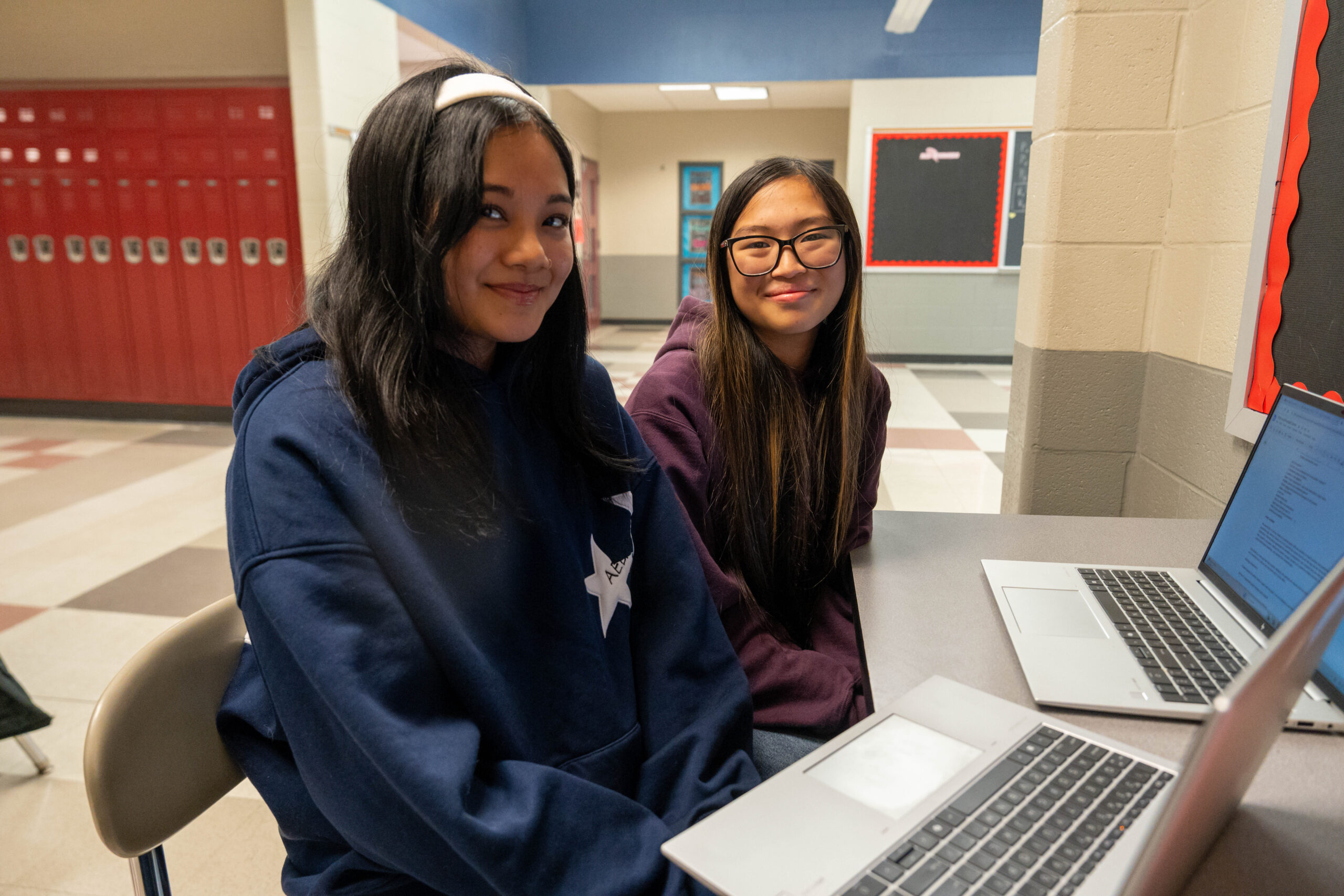
Barclay and fellow computer science teacher Devin Hayostek selected twelve students who showed interest in leadership, technology, and community outreach. The group attended a full-day training over the summer at the Lancaster-Lebanon IU where they learned how to guide adults through technology basics, how to build user-friendly lessons, and how to support learners who may feel hesitant or overwhelmed.
Understanding the digital divide in Lancaster
The digital divide affects families in visible and invisible ways. Some do not have reliable internet. Others share one device across multiple family members or rely entirely on a smartphone for tasks that are much easier on a computer. Some caregivers did not grow up using technology and feel intimidated by tasks like creating accounts, navigating web pages, or accessing their student’s grades and attendance.
For families, this gap has real consequences. It affects communication with schools. It affects the ability to apply for jobs, complete forms, monitor progress, or connect with teachers. It affects confidence. It affects opportunity.
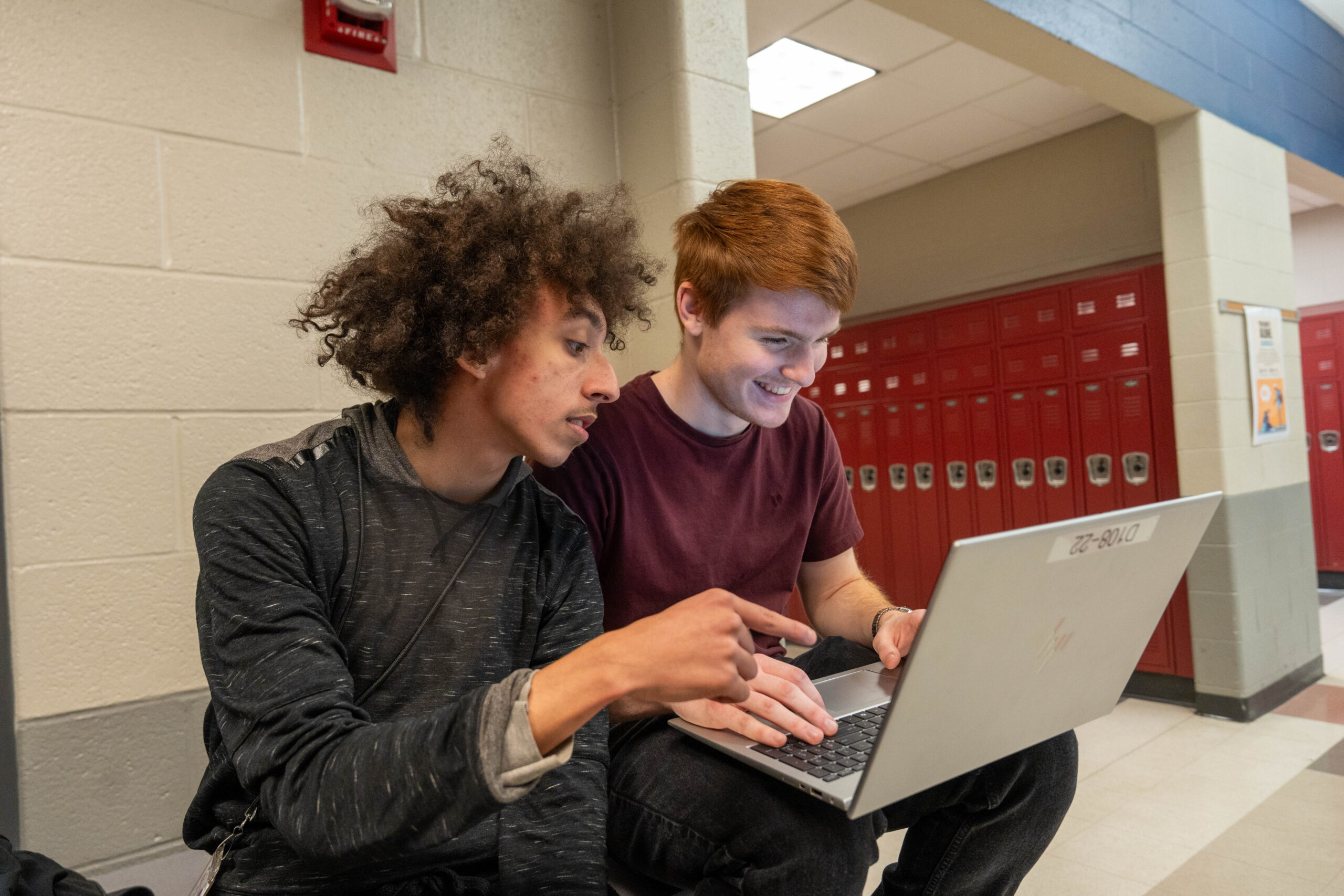
Barclay explains this clearly. “Digital literacy touches everything. You need it to find resources, to stay informed, to communicate with teachers, to support your student, and to navigate an increasingly online world.”
Kinber also provided laptops for families who attend and register early for the TECHnadoes’ workshops. These laptops are more than devices. They are tools that allow families to participate fully in their student’s education and gain independence in areas that once felt out of reach.
Workshops designed for the community
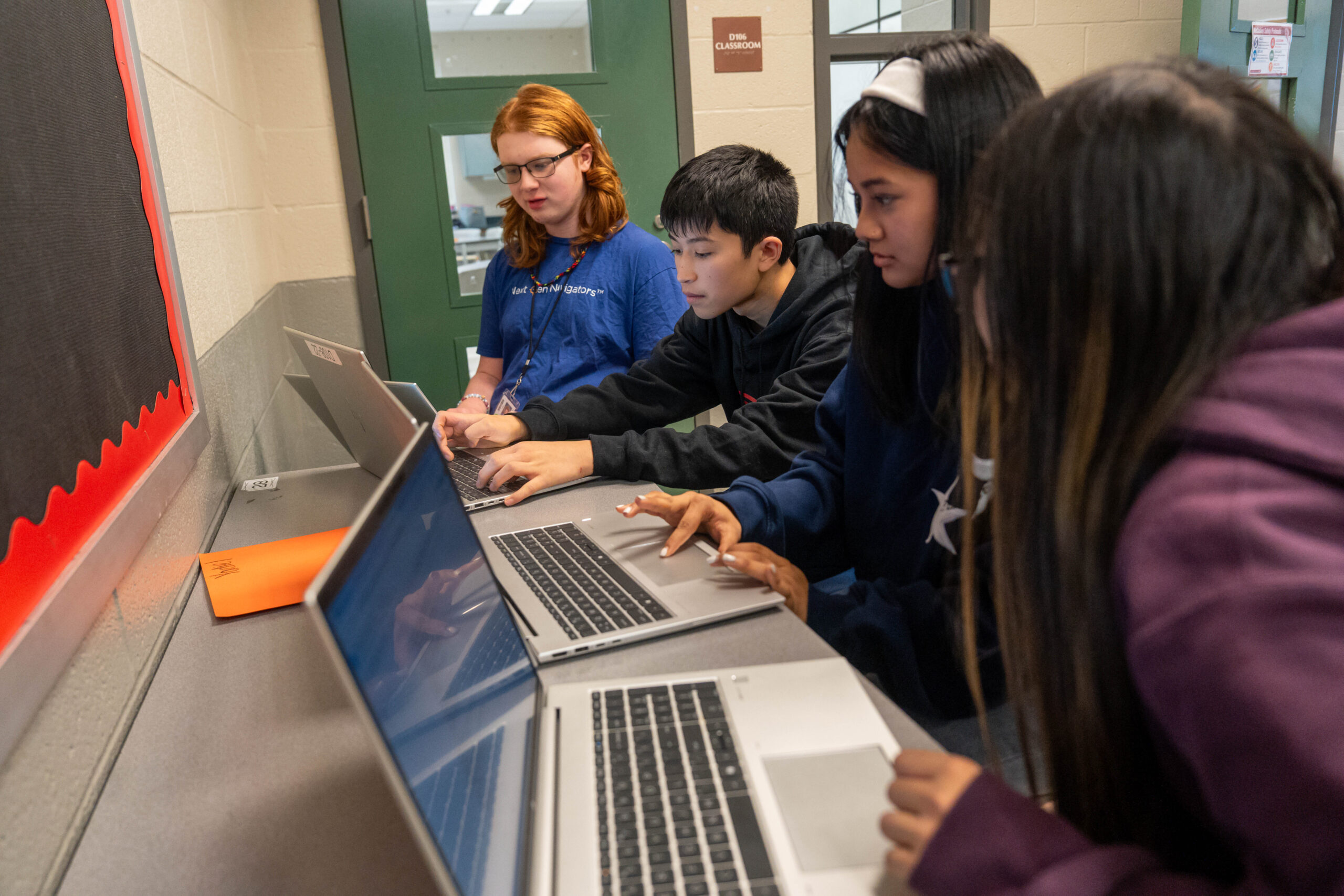
Throughout December, the group will host several workshops for parents, guardians, and community members. Topics will include computer basics, setting up and navigating devices, understanding internet safety, and learning to use digital tools that support students’ education. These workshops are designed to meet people where they are, without judgment or pressure. Participants can ask questions, practice hands-on skills, and receive support from students who understand both the technology and the importance of patience.
The students practiced teaching these skills in ways that feel patient, supportive, and accessible. They created step-by-step guides. They rehearsed explaining concepts at different speeds. They prepared to answer questions without technical jargon. They learned when to slow down and when to celebrate small breakthroughs.
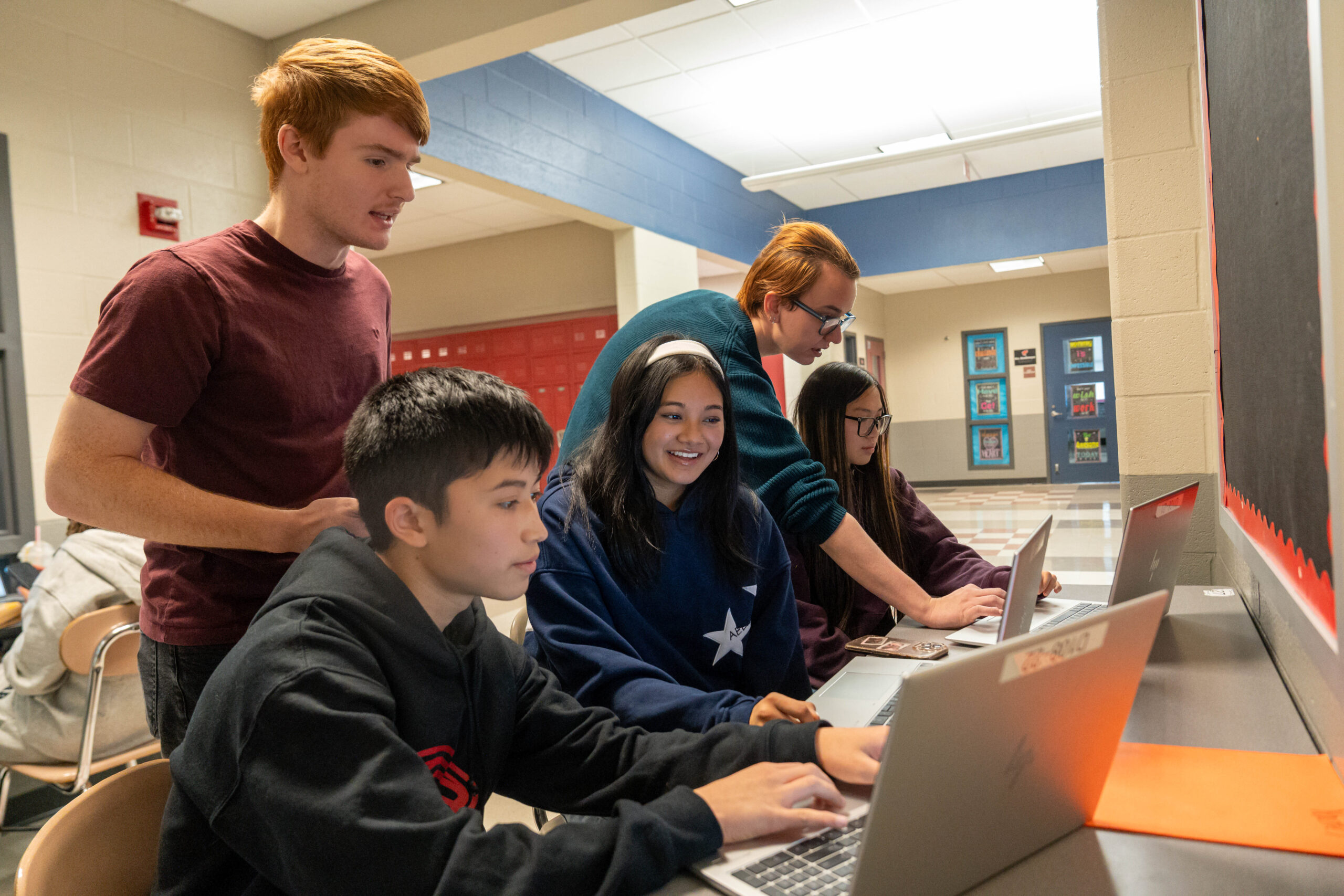
Tenth grader Daniel Sandblade said he joined because he wanted to help. “Technadoes teaches people who are not very familiar with technology. We want to bridge the digital divide in our local Lancaster communities,” he said. Daniel shared that the work has been meaningful not only because of the impact, but because of the skills he is learning. “Organizing events is hard, but it is important. I want to figure out what interests me in technology, and this helps.”
For tenth grader Kyleah Leaman, the motivation is rooted in understanding how technology shapes daily life. “Technology is used for everything now. If you do not know how to use it, you cannot do much,” she explained. “This group helps people feel supported. And I am learning too. I am learning how complex it is to plan events and how important it is to create something that feels welcoming.”
Eleventh grader Swechha Rai joined the group because she saw the challenges firsthand. “My parents are not very good at using technology,” she said. “I know how hard it is when someone feels lost. Technology connects people. It brings people together. I want to help people understand it so they feel less alone.”
Students as teachers and leaders
One of the defining qualities of the TECHnadoes is that the group is student led. Barclay and Hayostek provide guidance and structure but the direction and decision making come from the students.
Hayostek has been especially impressed by their initiative. “They have taken ownership of everything. They identify who in the community needs support, reach out to partners, plan the schedules, create the lessons, and present the workshops. It has grown into a real student organization.”
Students also reflect on how the work is shaping their futures. Some hope to pursue technology careers. Others want to explore fields like engineering, programming, innovation, or nonprofit leadership. Many simply want to help others and continue finding ways to use technology for good.
CSEdWeek and the future of Computer Science in SDoL
Computer Science Education Week takes place every December to raise awareness of computer science education and promote access for all students. At McCaskey, computer science opportunities have been growing steadily. The district introduced a new computer science course this year and is expanding the program with additional offerings next year, including courses that will allow students to earn credit through Carnegie Mellon University.
These classes build pathways into engineering, robotics, programming, and interdisciplinary fields that combine creativity and technology. For many students, this is their first step into careers that will continue to shape industries and communities across the world.
Barclay says that spreading the word is essential. “Opening these opportunities is only half the work. Students need to know these pathways exist. That is why we collaborate with guidance counselors and why groups like the TECHnadoes help raise awareness.”
The TECHnadoes are a clear example of what happens when students are given space to lead. They remind us that computer science education is not just for those who want careers in tech. It is a pathway to problem solving. It is a gateway to creative thinking. It is a tool that strengthens communities when students use their knowledge to uplift others.
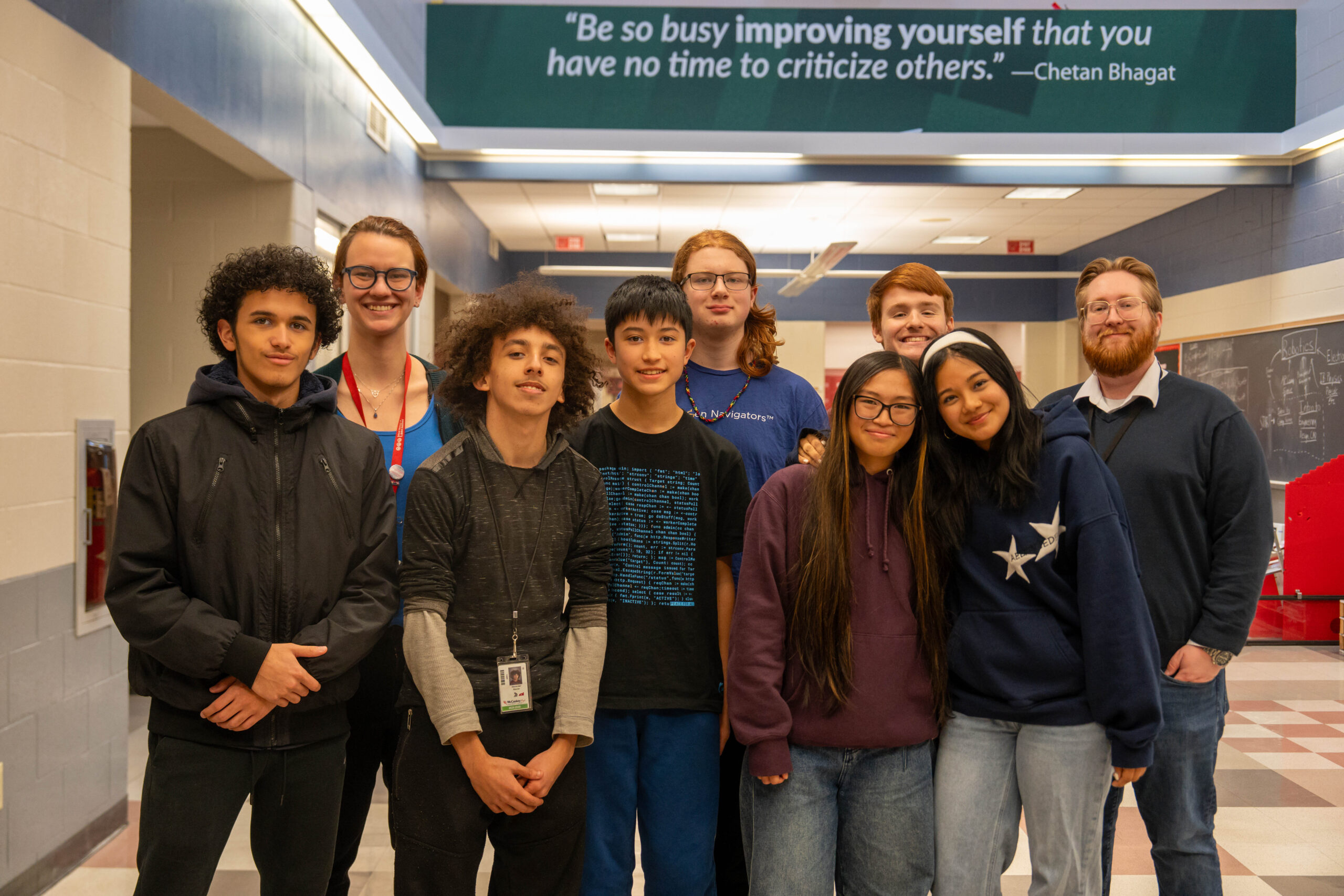
As the TECHnadoes begin their winter workshop series, they carry with them the spirit of CSEdWeek. They show that when students are empowered, they build solutions that reach far beyond the classroom.
The TECHnadoes are not only learning computer science. They are demonstrating its purpose. They are showing that knowledge becomes powerful when it is shared, when it creates access, and when it supports families who want to be engaged in their students’ education.
As we honor Computer Science Education Week, we celebrate every student who sees technology as a way to build something larger than themselves. And we celebrate the TECHnadoes, who continue to prove that when students lead, communities grow stronger.