Data is everywhere in education. But what matters is how it’s used, who understands it, and whether it leads to better outcomes for students.
At this year’s Pennsylvania Department of Education Data Summit, staff from the School District of Lancaster didn’t just attend. They contributed, led sessions, and helped shape how districts across the Commonwealth think about data in practice.
Held at the Hershey Lodge & Convention Center, the 2026 PDE Data Summit brought together educators, analysts, and school leaders from across Pennsylvania. The focus extended beyond reporting requirements. Sessions explored how to improve data quality, strengthen systems, and build a culture where information supports real-time decision-making in schools.
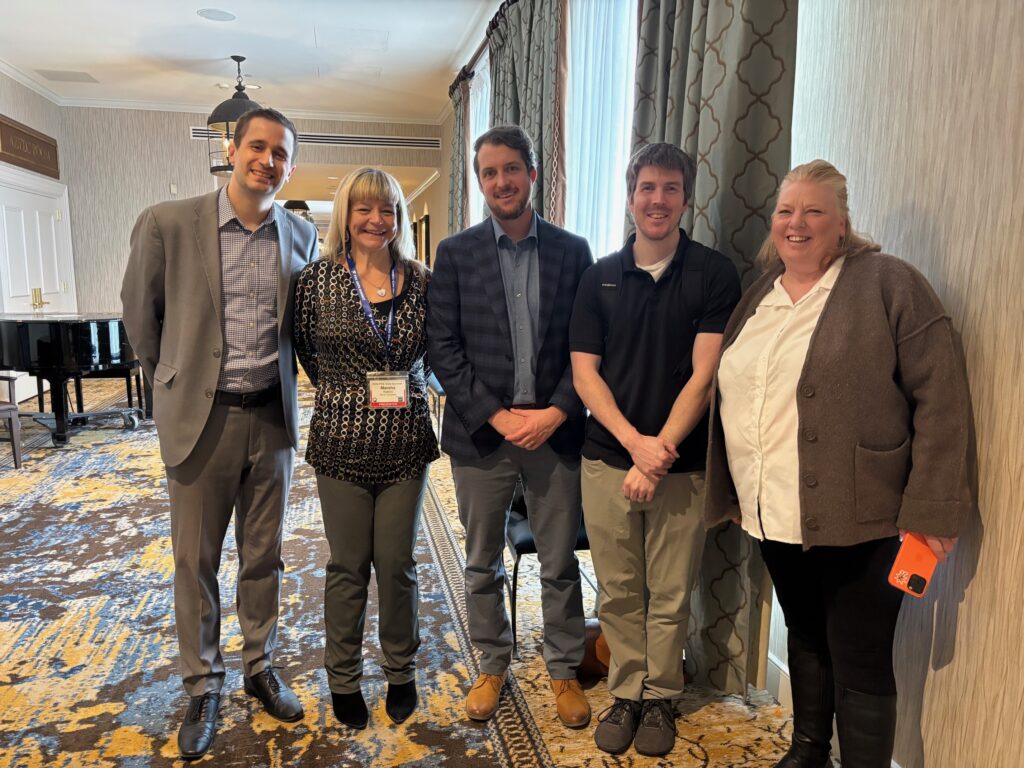
For SDoL, this year marked a significant moment. For the first time, the district had multiple staff members selected to present, each offering a different lens on how data is used across the organization:
-
Empowering Students through Data Conversations
Presenter: Jen Warren
This session focused on making data accessible to students, helping them understand their own progress and engage in conversations about their learning in ways that build ownership and confidence. -
Trends in Residency Verification
Panelist: Marsha Riddick
As part of a statewide panel, this session explored evolving practices in residency verification, balancing compliance with the need to support families and ensure equitable access to education. -
Building and Using Dashboards to Drive Continuous Improvement
Presenters: Aaron Heinbaugh, Paddy Muench, Jeremy Raff
This session highlighted how SDoL is developing and using dashboards to move beyond static reports, giving school and district leaders tools to monitor progress, identify trends, and respond in real time.
These presentations reflected the full scope of how data lives within a school system. Not just in spreadsheets or reports, but in classrooms, in conversations, and in the systems that support students every day.
Across the district, there is a clear focus on improving data quality, expanding data capacity, and building a culture where information is used to guide decisions and improve outcomes. This includes developing tools like dynamic dashboards, increasing data literacy among staff, and ensuring that information is accessible and actionable at every level.
Jeremy Raff, Director of Data Analytics & Strategy, emphasized that this work is not about the data itself, but what it makes possible.
“Data only matters if it leads to better decisions for students,” Raff said. “Our goal is to make information clear, accessible, and usable so that educators can respond in real time. Whether it’s a classroom teacher, a principal, or a central office team, the focus is always the same. How do we use what we know to better support students?”
That perspective is what distinguishes the work. At SDoL, data is treated as part of a broader system designed to support continuous improvement. Dashboards are built with end users in mind. Conversations are structured to include students. Processes are designed to balance accuracy with accessibility.
And that approach is being recognized beyond the district. Having multiple presenters at this year’s PDE Data Summit reflects a level of expertise and consistency that positions SDoL as a leader in how data is used across Pennsylvania.
It also reinforces something deeper. The work is not about being ahead. It is about being intentional. And in that work, SDoL continues to build systems where data is not just collected, but understood, shared, and used to create better outcomes for students across the district.