
Some history is preserved in monuments and museums, other history survives in handwritten documents, waiting for someone to ask questions.
For McCaskey High School students participating in the Lancaster City Witness Stones Project, those questions led them to Hannah, an enslaved woman whose life had been reduced to only a few references in the historical record.
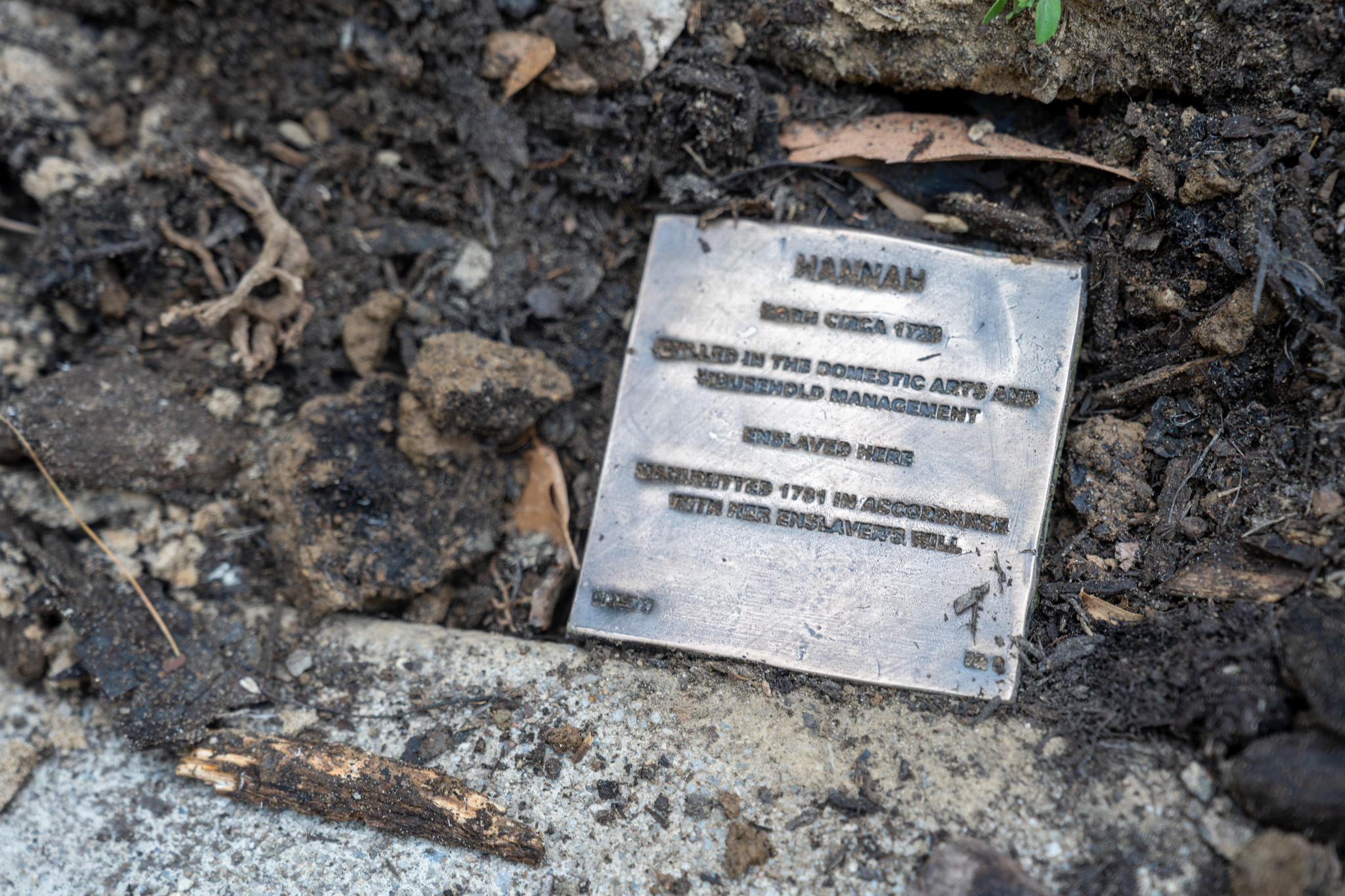
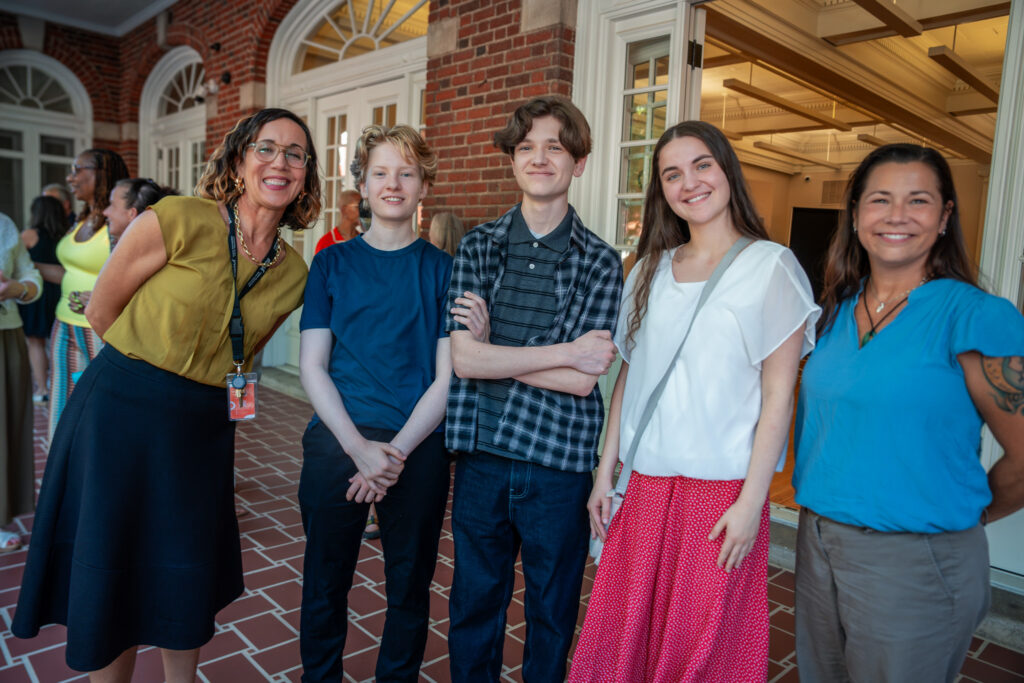
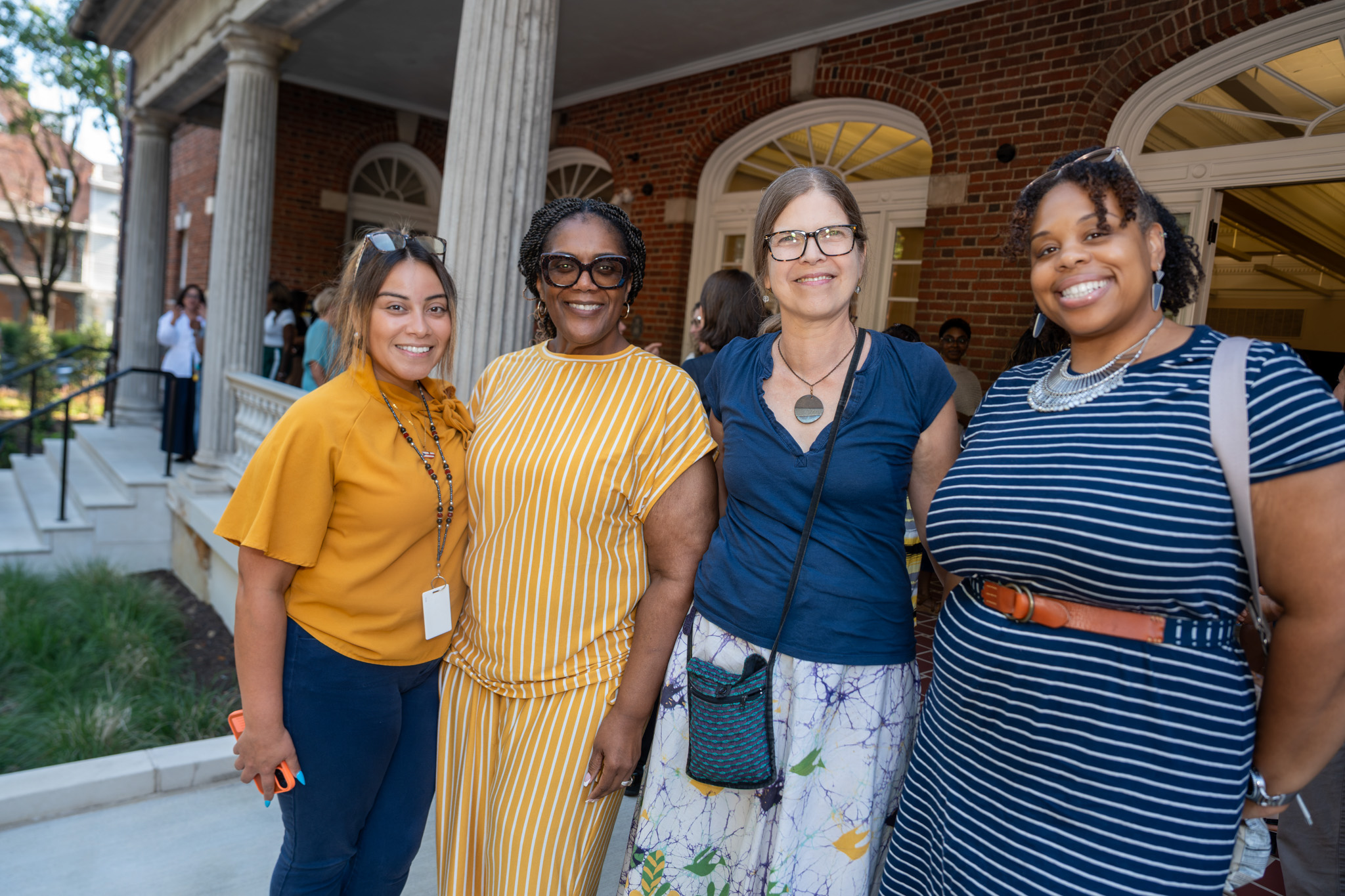
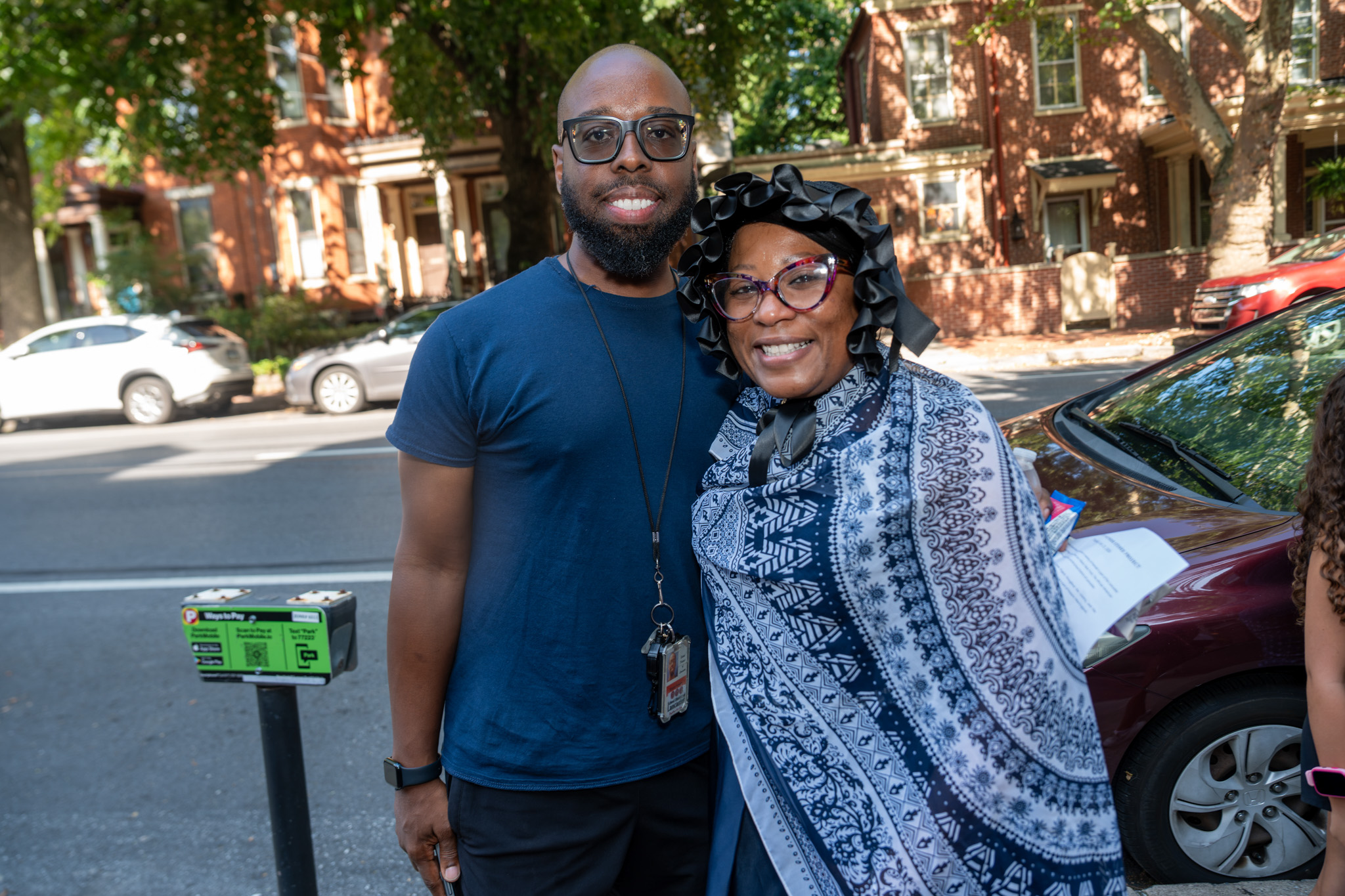
On Thursday, July 23, months of research culminated in the unveiling of Hannah’s Witness Stone at YWCA Lancaster, where community members gathered to honor her life and recognize a chapter of Lancaster’s history that has too often gone untold.
The Lancaster City Witness Stones Project is an education-based partnership among the School District of Lancaster, Historic Rock Ford, and the African American Historical Society of South Central Pennsylvania. As part of the national Witness Stones Project, Mccaskey High School students work alongside teachers, historians, researchers, colleges, museums, and community organizations to uncover the stories of people who were enslaved in Lancaster and restore them to public memory.
Witness Stones are small engraved brass markers installed at locations connected to the lives of enslaved individuals. Each stone serves as a permanent reminder that slavery was not confined to the American South. It existed in Northern communities, including Lancaster, where enslaved men, women, and children lived and worked while their lives often went unrecorded.
Hannah’s story began with a single sentence in Edward Shippen’s 1779 will. Although Shippen wrote that Hannah should be set free, he also instructed his sons to continue supporting her because she was “ancient” and unable to provide for herself. Student researchers discovered Hannah was approximately 58 years old at the time. After spending nearly her entire life in enslavement, freedom came with uncertainty rather than security.
She had no known wealth and lived apart from her husband, Thomas, who was believed to be enslaved in Philadelphia. Beginning life on her own late in adulthood would have carried risks that were difficult to escape. The historical record doesn’t reveal the decision Hannah ultimately made, but the question itself reflects the difficult realities many formerly enslaved people faced. Freedom did not erase years of forced labor or the economic hardship created by enslavement.
Students examined primary-source documents, compare historical records, evaluate evidence, and work alongside historians to reconstruct lives that were overlooked. That process gives students a deeper understanding of local history while showing them how history is built, questioned, and revised.
The unveiling transformed that research into something permanent. Installed outside YWCA Lancaster, on the grounds where Hannah was enslaved, the Witness Stone now becomes part of the city’s everyday landscape. People walking near North Duke and East Orange streets may pause and read Hannah’s name. In that brief moment, someone who was nearly erased from history is acknowledged again.
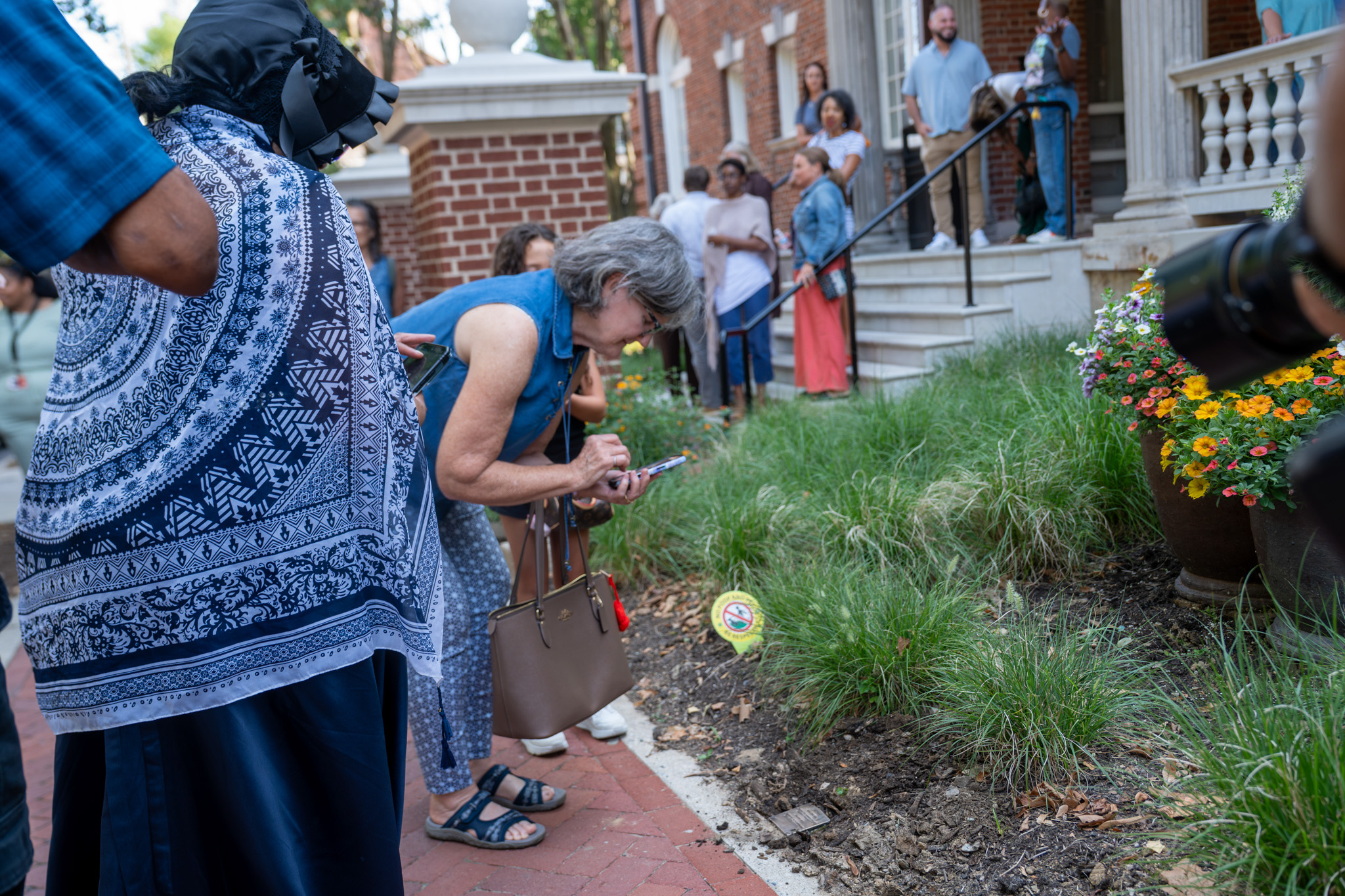
The placement of the stones is intentional. Rather than standing above visitors, they are embedded in the ground where people encounter them during their daily routines. Reading one requires a person to look down, creating a quiet act of recognition and reflection.
Lancaster is the first community in Pennsylvania to participate in the Witness Stones Project. Organizers plan to install additional stones throughout the city’s historic district over the coming years, each one honoring an enslaved person whose story has been uncovered through student research and community partnership.
For the School District of Lancaster, the Witness Stones Project demonstrates what learning can look like beyond the classroom. Students are are helping shape how Lancaster remembers it.
Their work is contributing to a fuller understanding of the city’s past while ensuring that names like Hannah’s are no longer confined to archival documents. Instead, they become part of the public spaces where future generations can continue learning and asking questions.