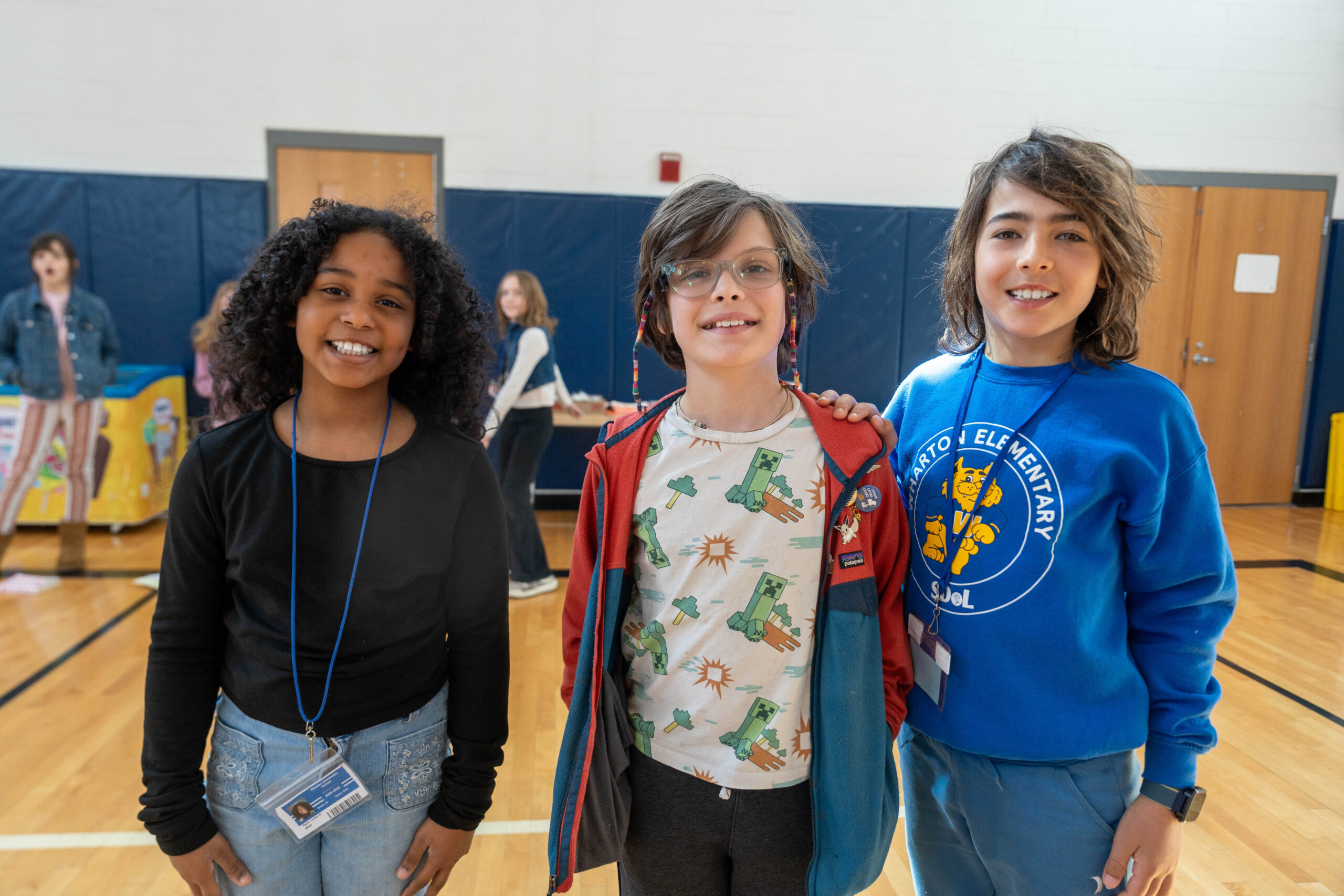
Earth Day can sometimes feel like a moment. At Wharton Elementary, it became a demonstration of what happens when learning turns into action.
Earlier this month, fourth grade students transformed their assembly into a platform to launch Earth Month across their school, using their voices to teach and engage an entire community.
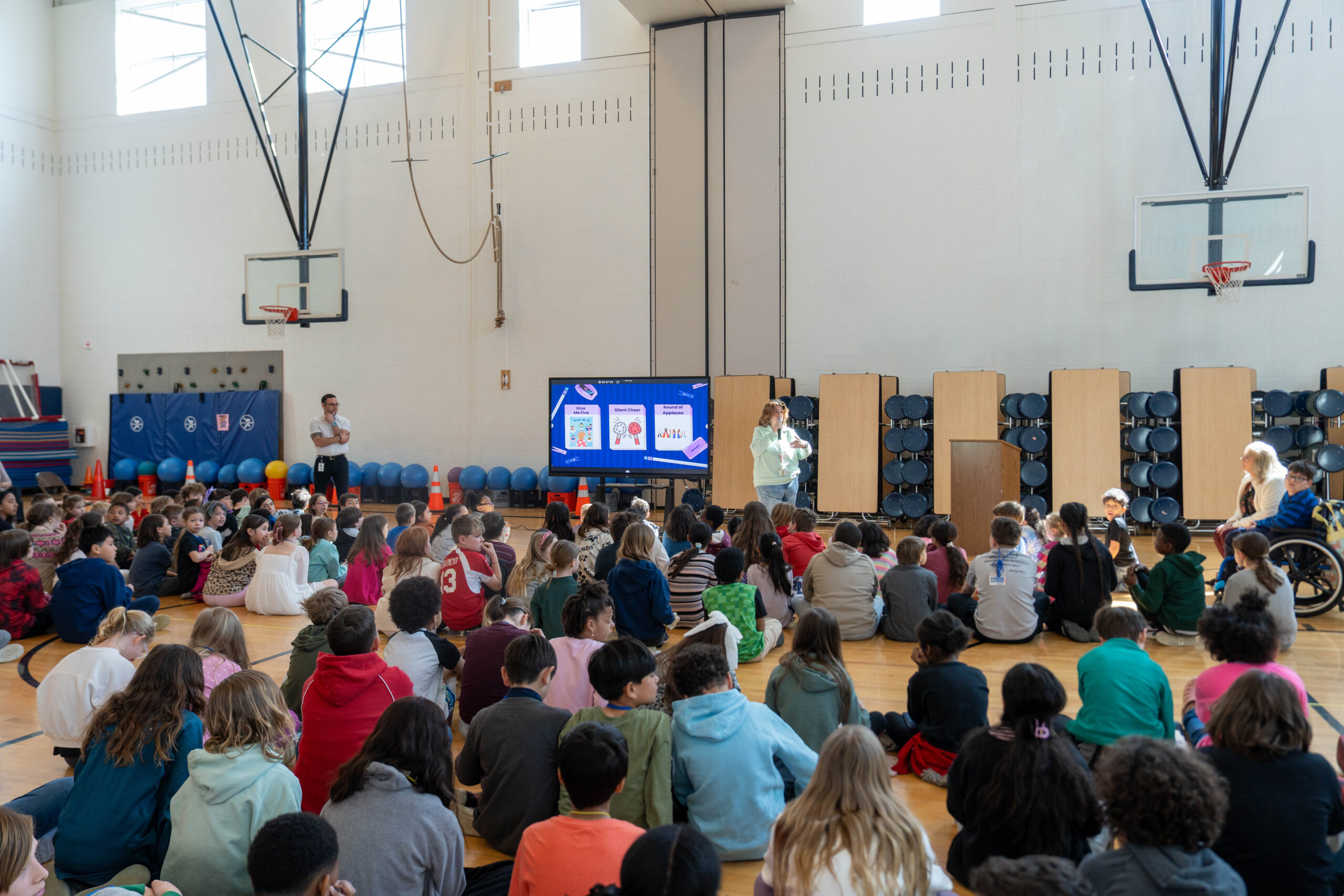
What took place during Wharton’s PBIS assembly on April 8 was the result of weeks of research and collaboration. As part of their social studies unit on resources, students were asked to go beyond understanding content. They were asked to do something with it.
They responded by building three distinct projects, each shaped by their own ideas and driven by a shared goal of making an impact.
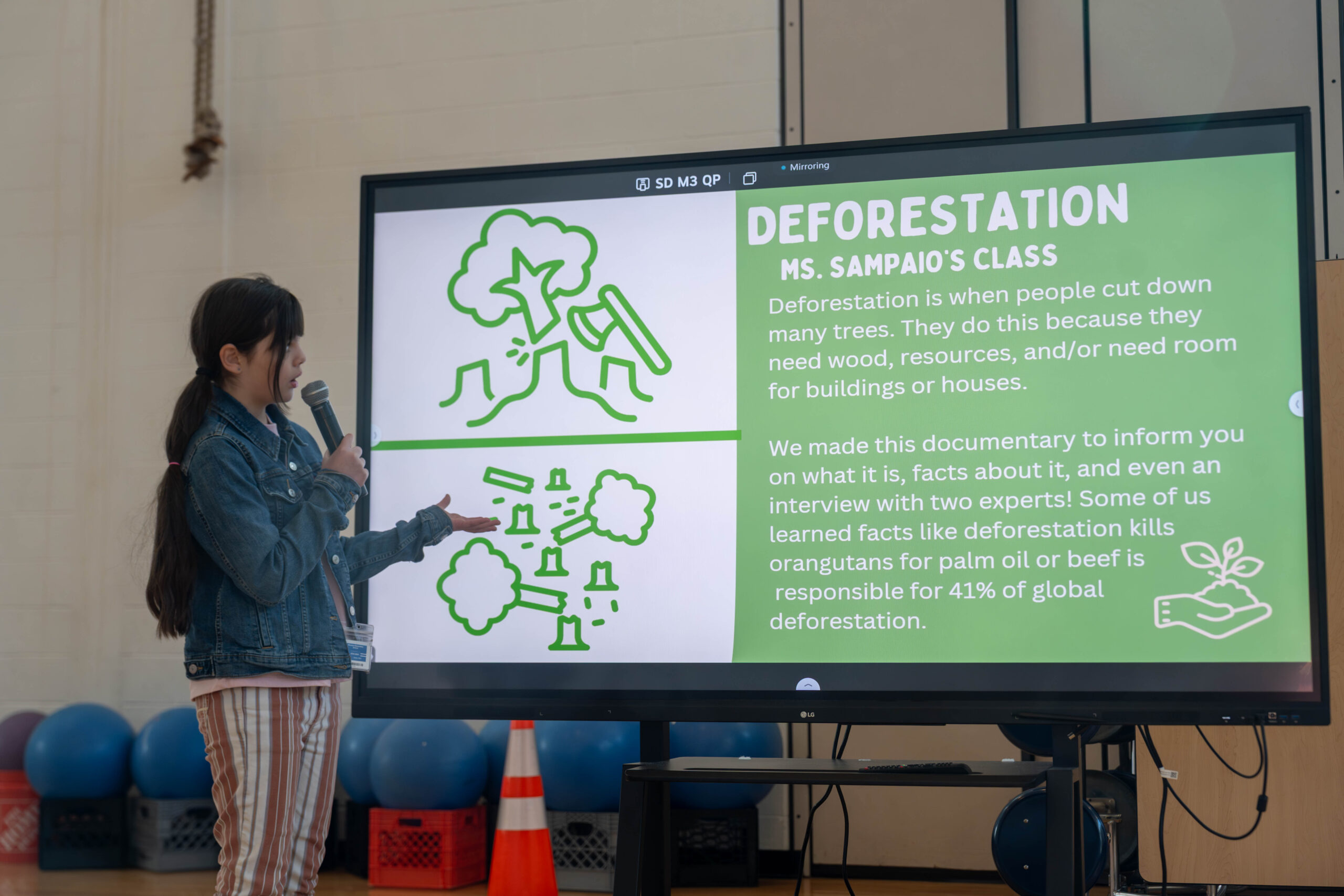
One group created a documentary on deforestation, bringing together multiple student-led teams to write scripts, film segments, and piece together a narrative that explained not just what is happening to forests around the world, but why it matters.
“We hope that some companies can hear about our project and not cut down trees,” said fourth grader June Smith. “It’s a big problem, and we wanted people to understand that.”
Another group developed a website focused on water pollution, researching real-world examples from Pennsylvania and beyond while offering solutions that made the issue tangible and relevant.
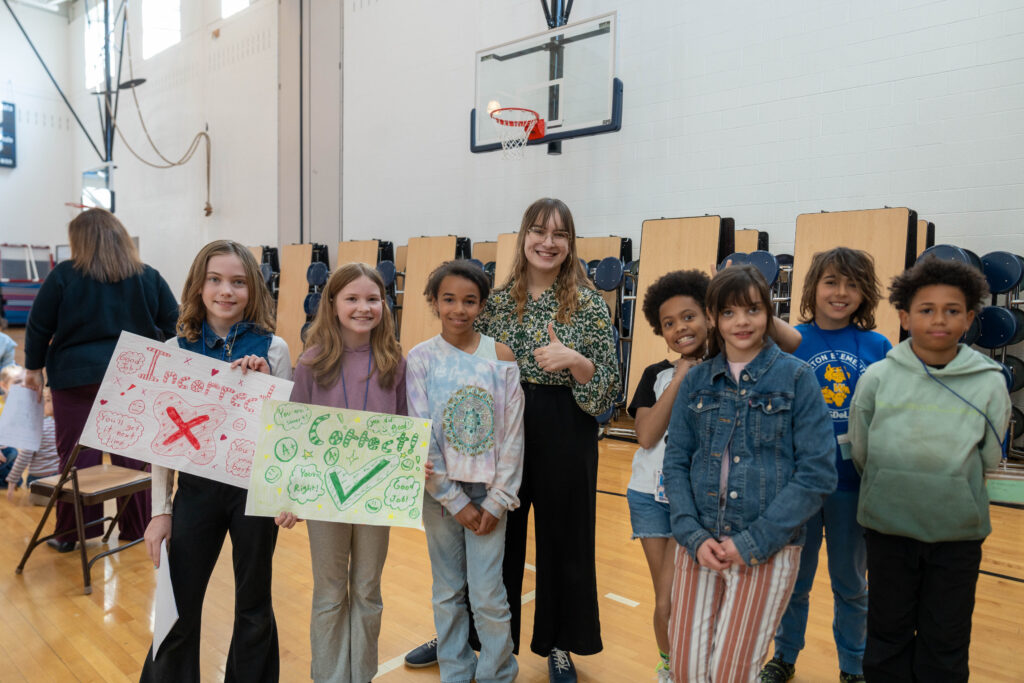
A third group designed a Jeopardy-style game show, carefully adapting questions for different grade levels so that every student in the building could participate and learn in a way that felt interactive and engaging.
“Our project is a game show to help people learn about the environment and what goes on in it,” said Ima Jones. “We thought that a game show would be good because people learn more when they interact with others.”
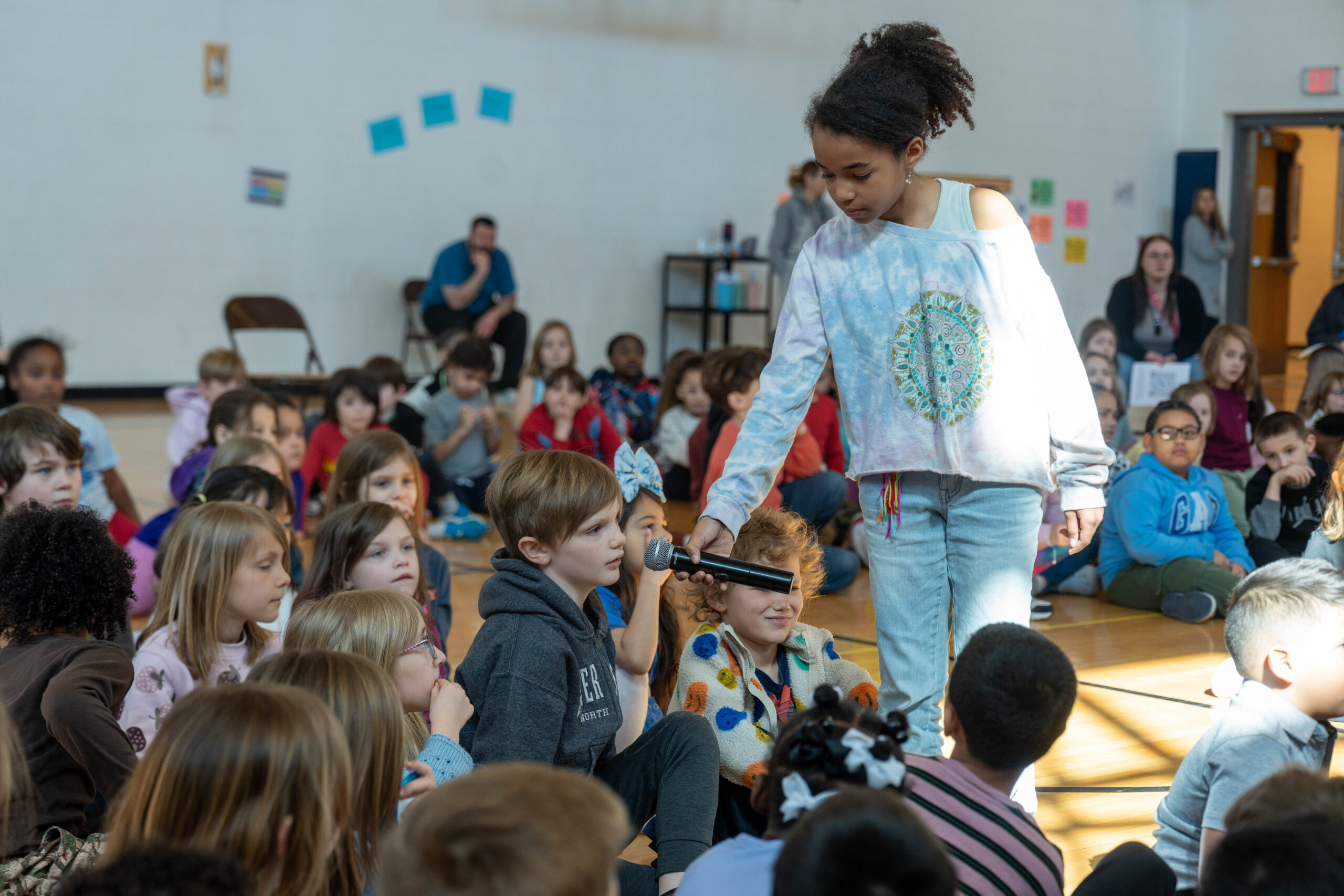
Students proposed their ideas, presented them to one another, and voted on what they believed would have the greatest impact. From there, they organized themselves into teams, divided responsibilities, and worked through the challenges that come with creating something from the ground up.
“I liked that the project was so involved and we all got to do a part,” Ima added, reflecting on what stood out most about the experience.
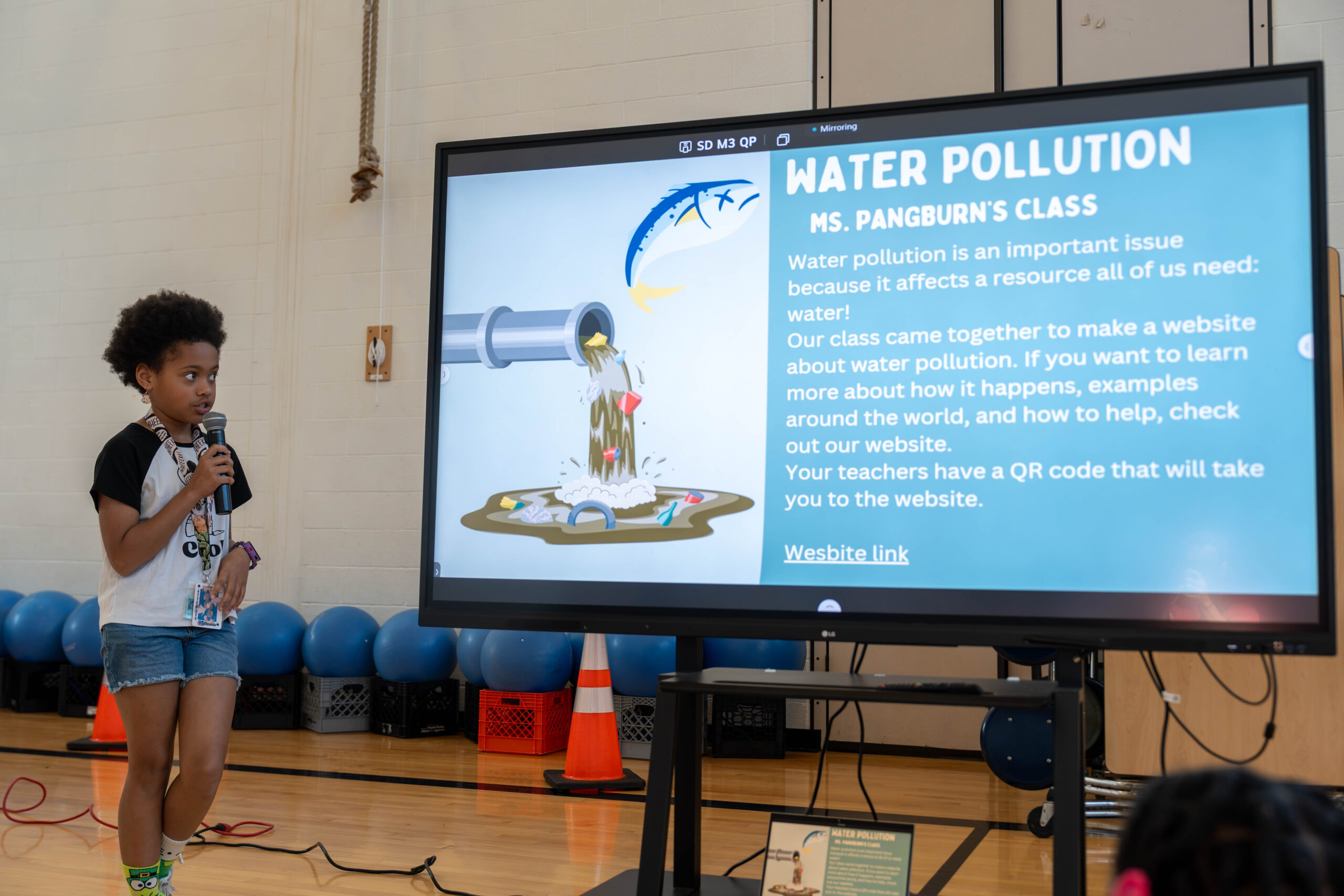
For many students, the process itself became just as meaningful as the final product. “I liked filming the videos,” June shared. “I liked talking about how it’s a big problem.”
For fourth grade teacher Sofya Pangburn, who oversees science and social studies instruction across three classes, the goal extended beyond content knowledge.
“I hope that they learn that their learning is completely in their own hands,” she shared. “It’s up to them to not just take in material, but to use that to change the world around them.” That belief was evident in how students approached their work.
For June, Earth Day itself carries an important meaning. “Earth Day means it’s like a celebration of how Earth is our home,” she said. What made this moment stand out was the ownership behind each project.
This is what inquiry-based learning makes possible. It starts with a question, but it doesn’t end with an answer. Students are given the space to explore, to create, and to connect their learning to the world around them. In doing so, they begin to see themselves not just as learners, but as contributors.
At Wharton Elementary, Earth Day was a culmination of student voice, and in that space, students didn’t just learn about the world. They practiced shaping it.