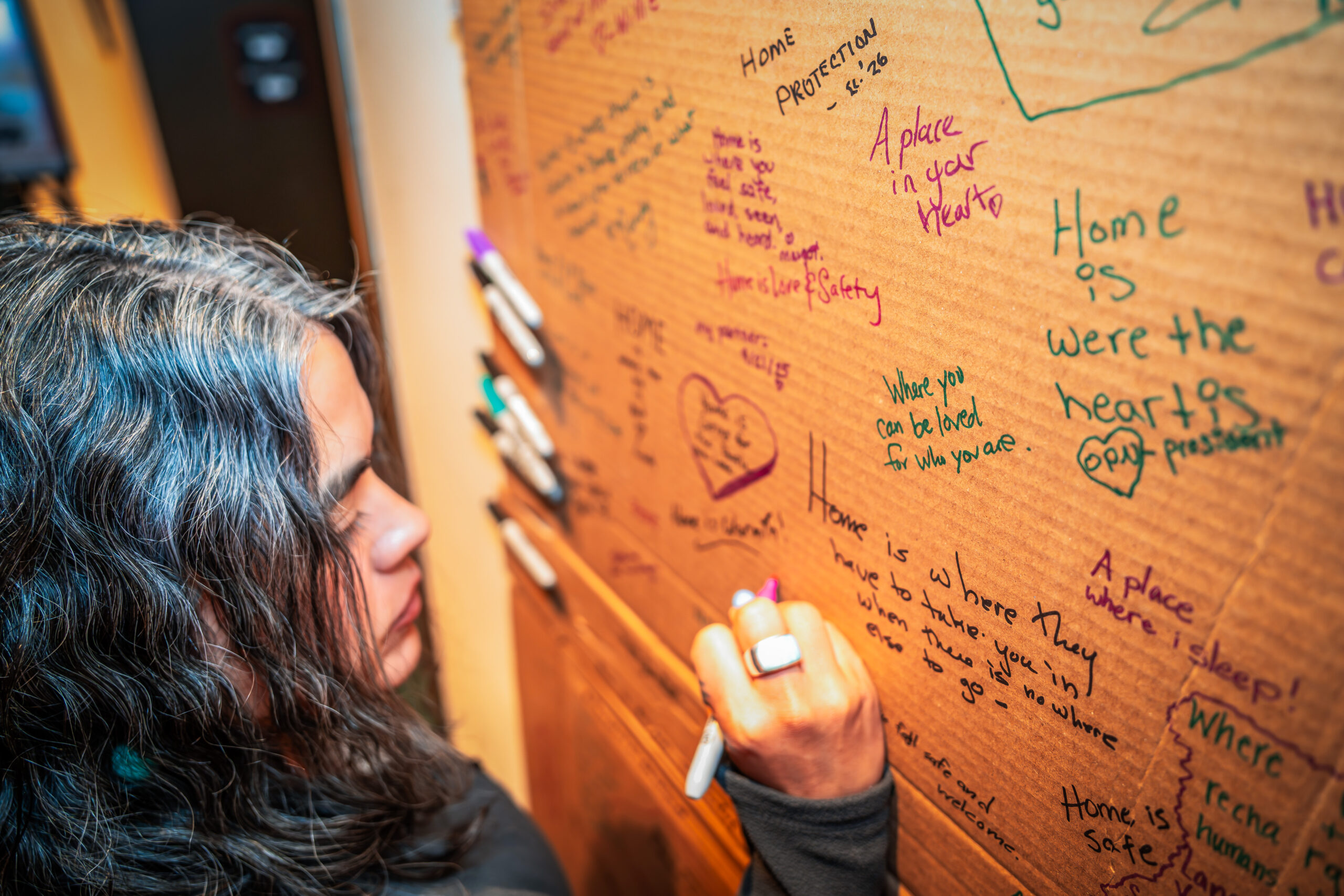
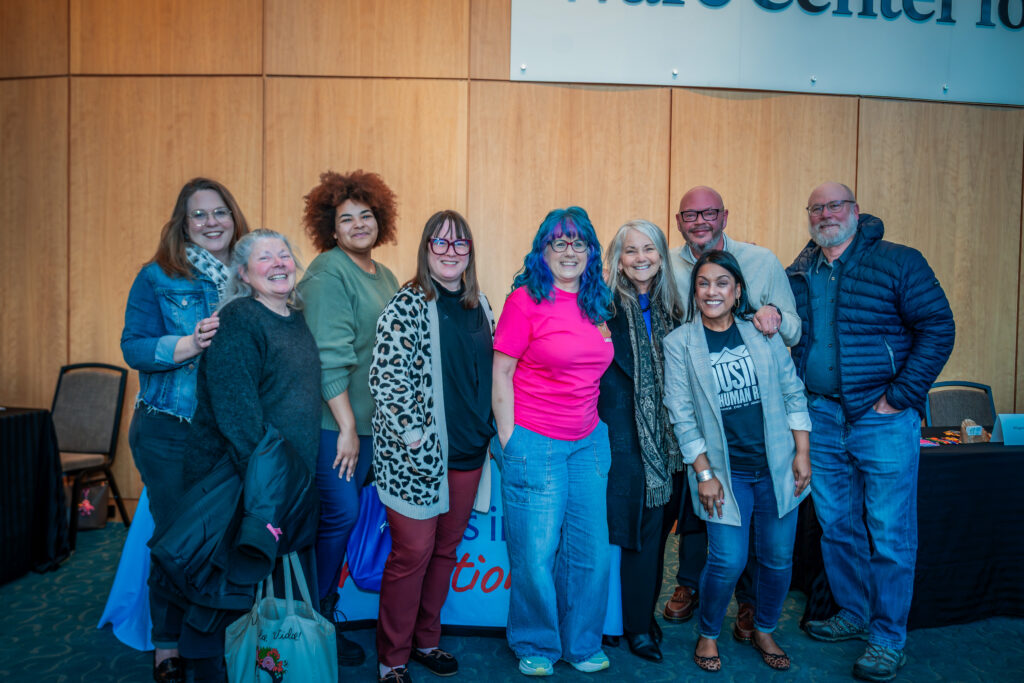
At the Ware Center for the Arts, a recent community gathering centered on a question that continues to shape conversations across Lancaster: What does it mean to have a place to call home?
The event, held in conjunction with the What Is Home? exhibit, brought together the work of Willie Baronet and Leah den Bok alongside a network of local organizations committed to supporting individuals and families experiencing homelessness. Through art, dialogue, and direct engagement, the evening created space to better understand both the realities of housing instability and the collective response taking shape within the community.
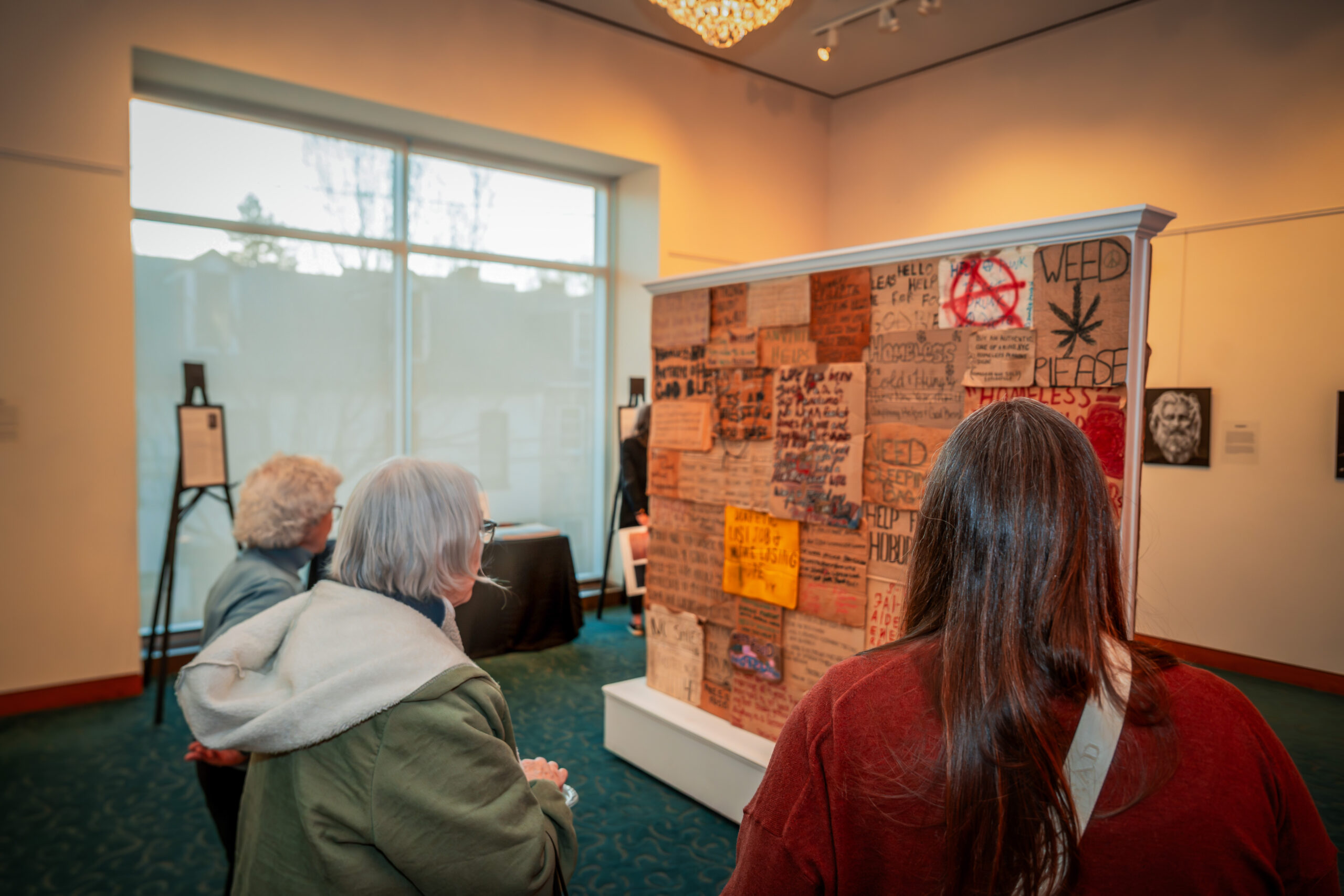
Throughout the gallery, attendees encountered installations and portraits that highlighted the personal dimensions of homelessness. Baronet’s collection of signs, each originally held by someone asking for help, reflected the visibility of need in public spaces. Den Bok’s portraits invited viewers into direct connection with individuals whose stories are often overlooked. Together, the exhibit encouraged a deeper awareness of the human experiences behind broader social challenges.
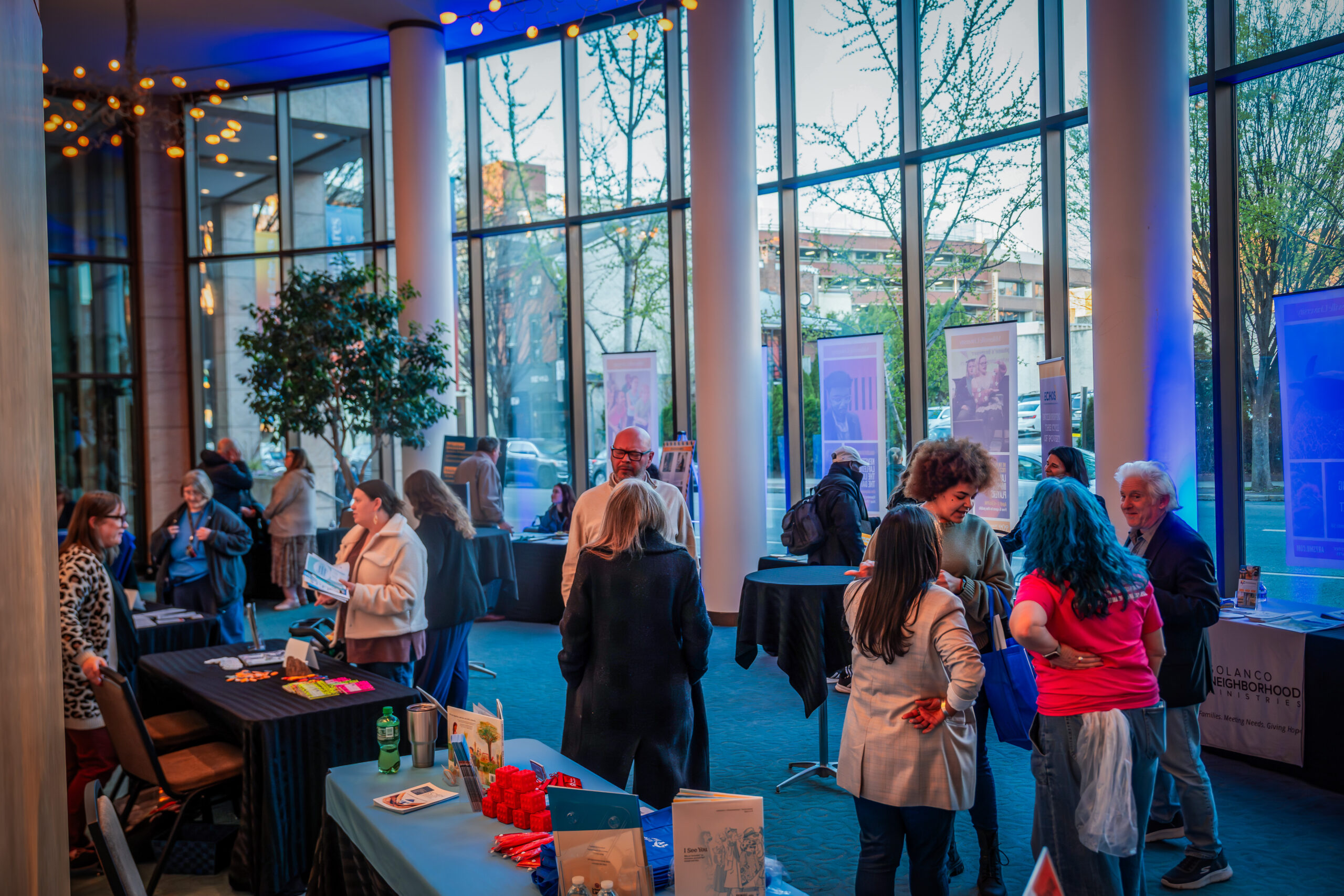
That awareness was paired with action. More than 20+ service providers and community organizations were present, offering information, resources, and opportunities for conversation. The event served as a point of connection, bringing together those seeking support with those working across Lancaster County to provide it.
Among those in attendance was the School District of Lancaster’s Families in Transition team.
The Families in Transition Program, often referred to as FIT, supports students who are experiencing homelessness by helping to ensure continued access to education. The program focuses on reducing barriers that can interrupt a student’s ability to attend school, including challenges related to enrollment, transportation, and access to essential services.
By coordinating support and working closely with families, the FIT team helps maintain consistency for students during times of uncertainty. This includes assisting with school placement and arranging transportation so that students can remain connected to their learning environment and school community.
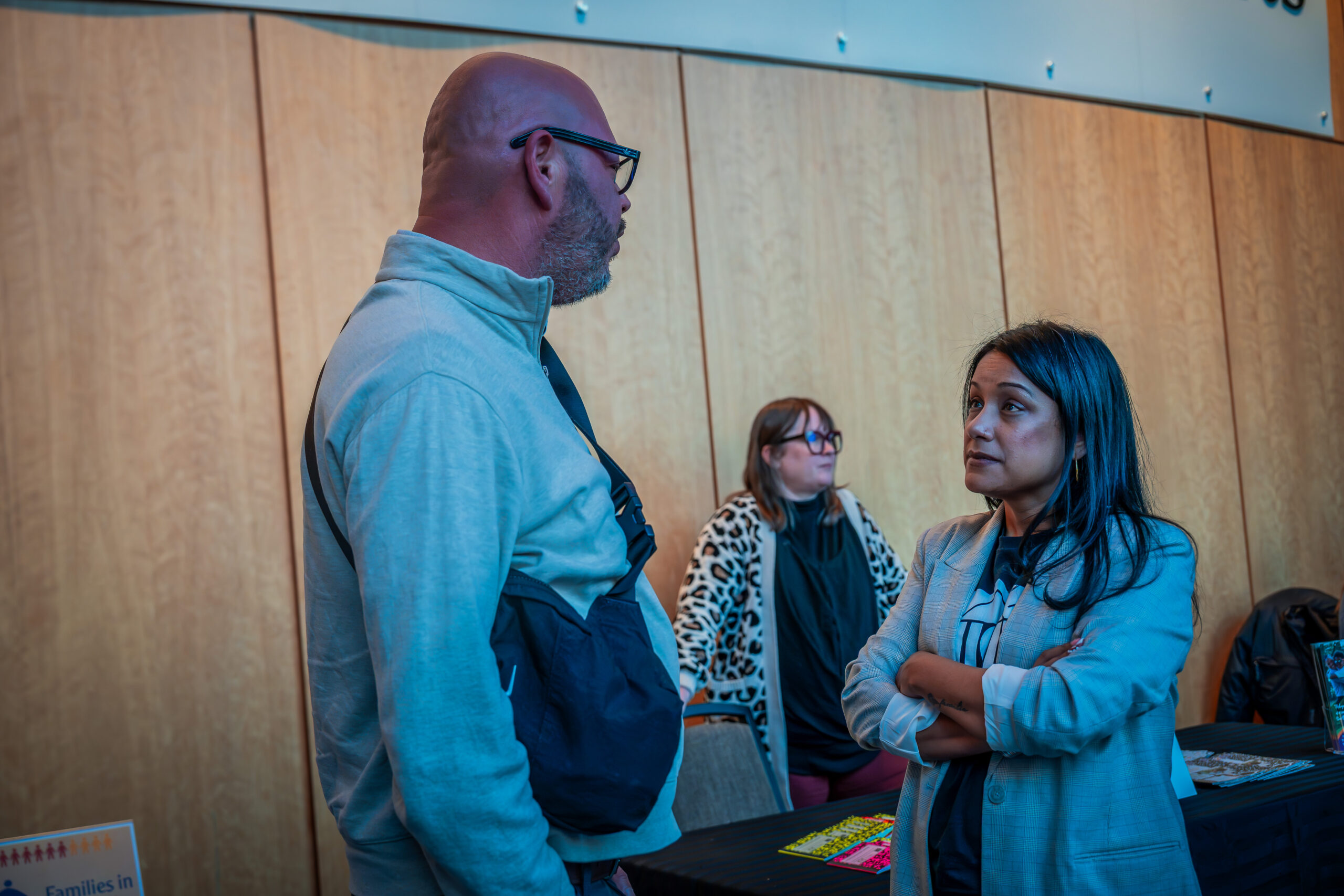
The presence of the Families in Transition team at this event reflects the district’s ongoing commitment to meeting students where they are and addressing the conditions that impact their ability to learn.
It also underscores the importance of collaboration. Supporting students and families experiencing homelessness requires coordination across education, social services, and community organizations.

As conversations around housing and stability continue, the School District of Lancaster remains focused on its role in ensuring that every student has access to a consistent, supportive educational experience.
Because when barriers are removed, students are better able to focus on learning, growth, and the opportunities ahead.