
Students do not leave their lives at the door. Every day, students arrive in classrooms carrying experiences that shape how they learn, interact with others, and navigate the world around them.
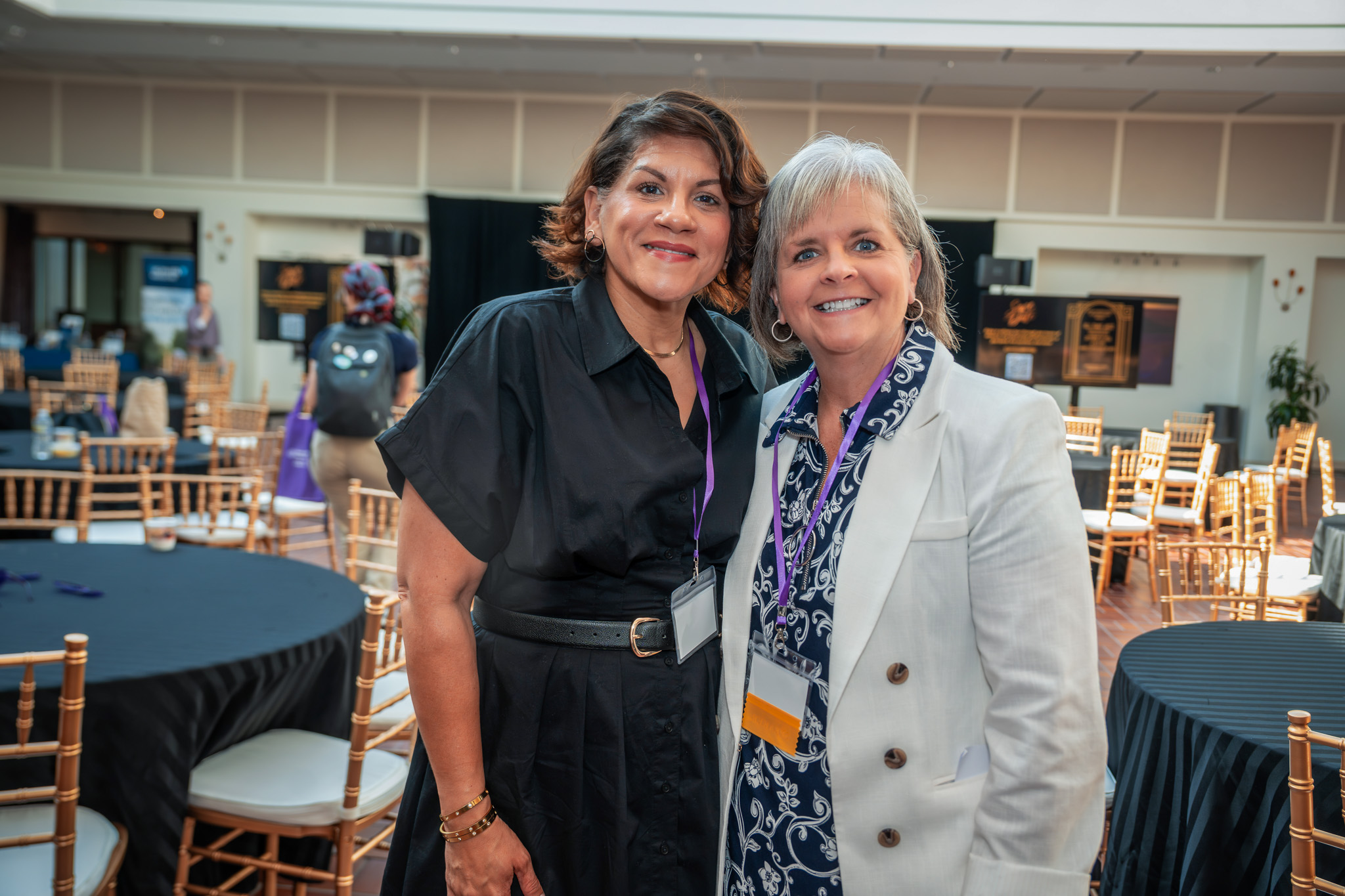
That reality was part of the conversation at the 2026 Domestic Violence Services Conference, Building a Community of Care, where educators, healthcare professionals, advocates, legal experts, and community organizations came together to examine how domestic violence affects individuals, families, and communities, and how institutions can work together to provide support.
Domestic violence affects millions of children across the United States each year. Its impact often extends far beyond the home, shaping how students learn, build relationships, regulate emotions, and engage in school.
Research has consistently shown that children exposed to domestic violence are more likely to experience anxiety, depression, behavioral challenges, and difficulty concentrating in the classroom. They may struggle academically, miss school more often, or have difficulty trusting the adults around them. In some cases, the effects can follow them for years.
For schools, those realities are reflected in the experiences and needs of students who walk through our doors every day. Schools are often among the first places where signs of abuse, trauma, or instability become visible.

Dr. April Hershey, assistant superintendent for the School District of Lancaster, participated in a panel discussion during the conference and spoke about the important role schools play in recognizing and responding to the needs of students experiencing trauma.
“It is incumbent upon every adult who works at School District of Lancaster to build strong relationships with our students and recognize any warning signs in our students’ social and emotional needs, behavior, attendance, and academic performance so that we can provide whatever resources are necessary to support both our students and their families,” Hershey said.

Responding to those challenges happens every day across the district through school counselors, social workers, behavioral health professionals, administrators, teachers, and support staff who work together to connect students and families with resources when concerns arise.
The conference served as a reminder that supporting children cannot rest with any one institution alone. We each have a role to play in creating environments where children feel safe and supported.
If you or someone you know is experiencing domestic abuse, contact the DVS 24/7 emergency hotline at (717) 299-1249 OR text SAFE to 61222.