
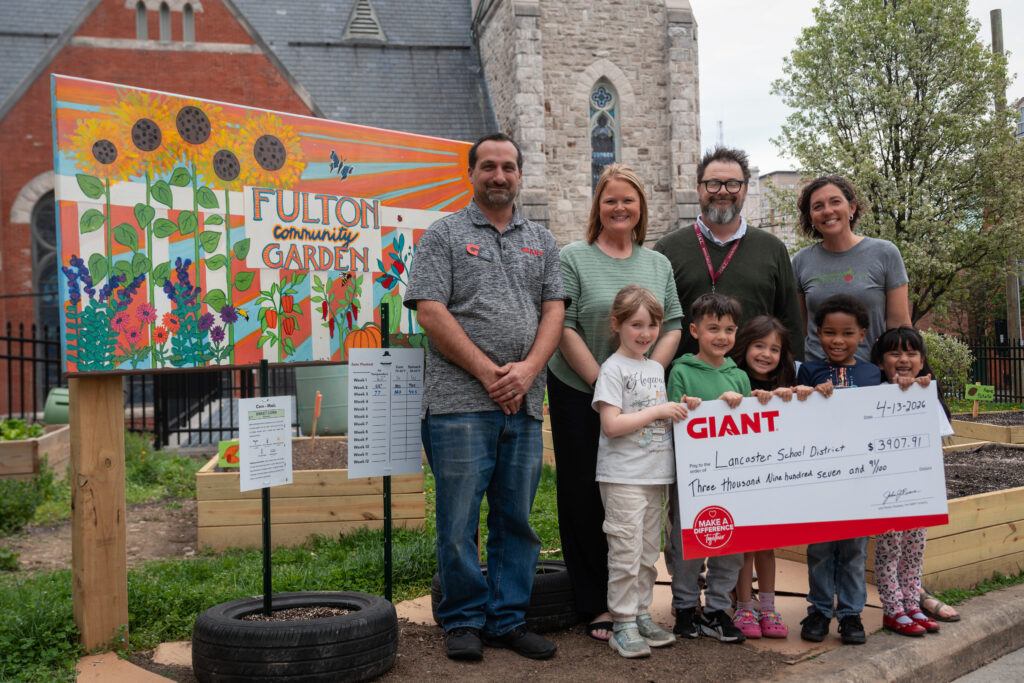
At Fulton Elementary School, learning doesn’t stay contained within four walls. It takes root just outside them.
That vision took shape with the opening of Fulton’s new learning garden, supported by a nearly $4,000 donation through the GIANT Feeding School Kids initiative. Raised beds, fresh soil, and early plantings mark the beginning of what’ll become a year-long learning space for students. It’s an investment in how students experience education and how a community supports that experience together.
The garden is part of an ongoing partnership with the Edible Classroom, a nonprofit organization dedicated to cultivating academic achievement, healthy lifestyles, and environmental stewardship through garden-based learning. Through this work, schools become spaces where students engage directly with food from seed to table, building knowledge through experience rather than observation alone.
At Fulton, that means the garden isn’t an add-on. It’s integrated into the school day and into the curriculum. Students return to the space throughout the year, building understanding over time and developing skills that connect directly to what they’re learning in the classroom.
The Edible Classroom provides year-long, sustainable programming tailored to each school community. It creates opportunities for educators, staff, and partners to collaborate in support of student learning. Every lesson is aligned to academic standards while also creating space for exploration, discovery, and growth.
In the garden, learning becomes tangible. Students measure planting beds, track growth, and observe life cycles in real time. They explore where food originates, connecting geography to something they can see and touch. What might begin as a lesson becomes something they can experience fully.
Angie Martin, Director of Community Engagement for the Edible Classroom, described that impact.
“This is about access and understanding,” Martin said. “Students are learning how to grow their own food from seed to table, and also how to use that produce to make meals that are simple, healthy, and that they actually enjoy.”
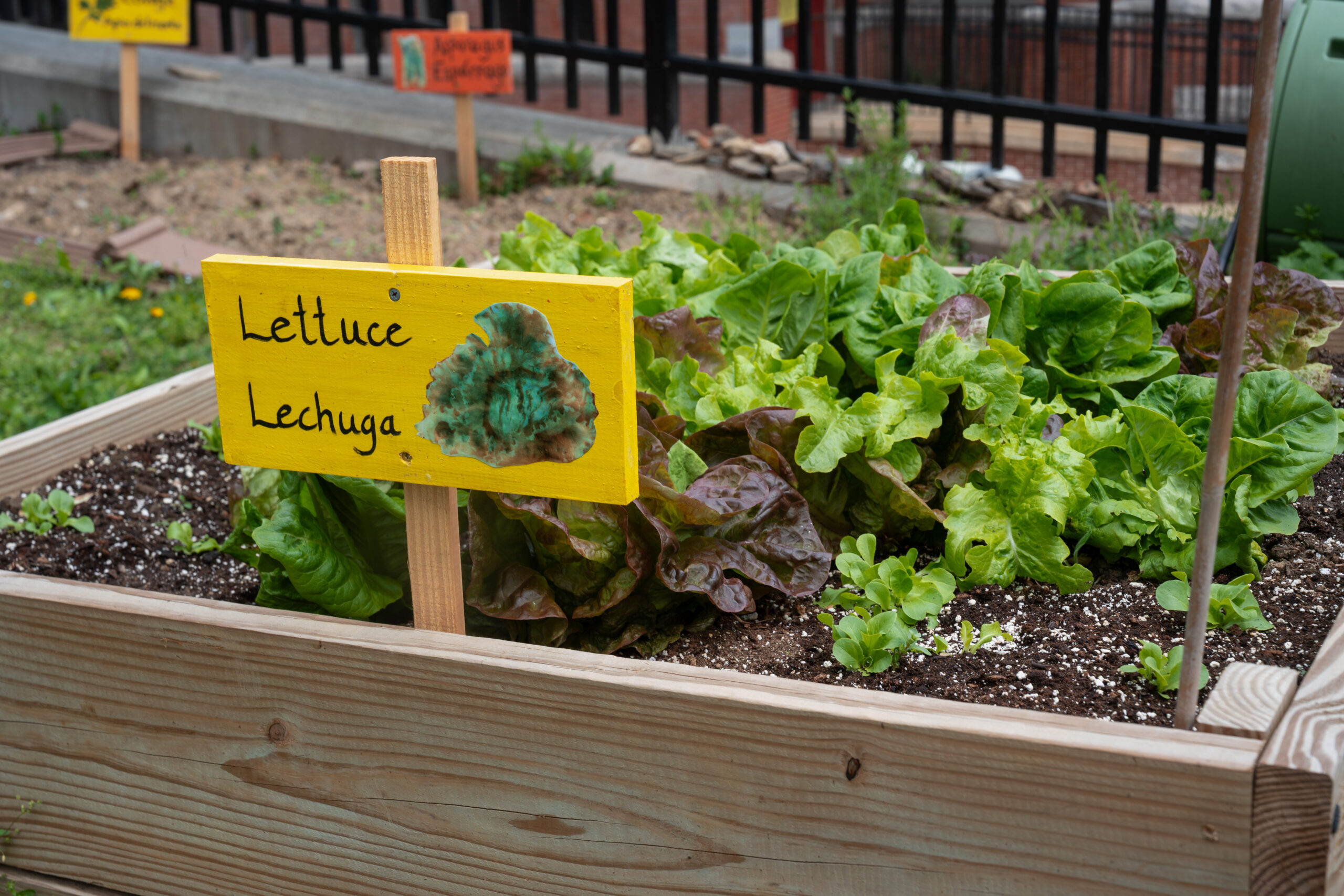
That understanding extends beyond academics. The garden becomes a space where students develop confidence, curiosity, and a stronger connection to the food they eat. By increasing interaction with fresh fruits and vegetables, the program helps shape healthier habits while also creating a safe, engaging environment for exploration.
It also strengthens the connection between school and home. When there’s extra produce, students are able to bring it back to their families, extending the learning beyond the school day and into everyday life.
“We’re supporting academic standards in everything we do out here,” Martin said. “But we’re also giving students something they can take with them. If there’s extra produce, they’re able to bring that home and share it with their families.”
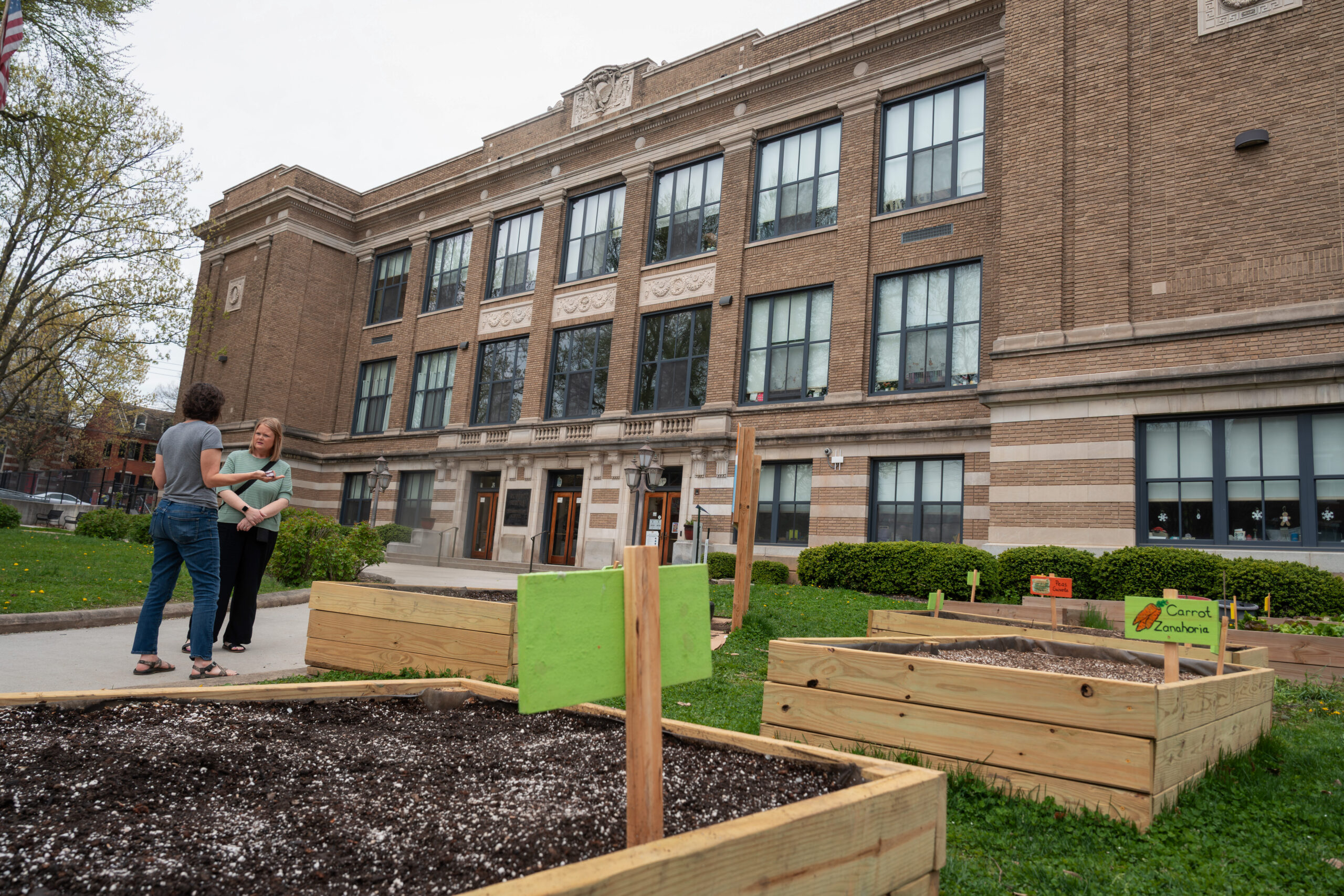
This work is made possible through community partnership. The GIANT Feeding School Kids initiative invited customers to round up their purchases, turning small, individual decisions at the register into a collective investment in local students. Those contributions directly support efforts to expand food access, strengthen programming, and create spaces like the Fulton garden.
Lindsay Gregg, Manager of Community and Family Engagement, emphasized the importance of that shared effort.
“Our partnership with Edible Classroom allows us to create opportunities for students to experience learning in a hands-on, meaningful way,” Gregg said. “We’re incredibly grateful to GIANT and to every individual who chose to round up at the register and contribute. That collective generosity is what makes moments like this possible for our students.”
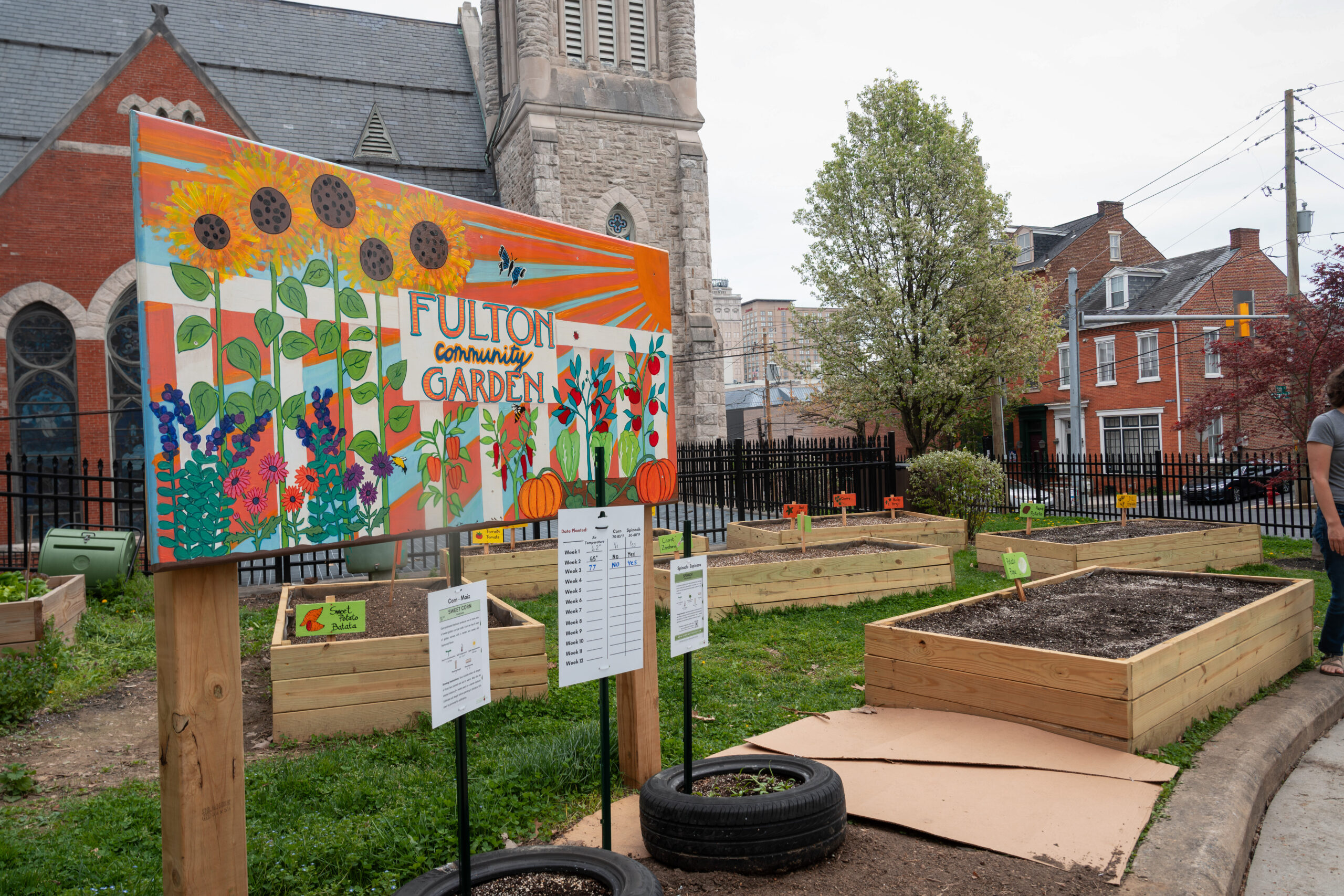
At Fulton, that generosity is now visible in a new way. In rows of soil prepared for planting. In lessons that move beyond worksheets into real-world application. In students who’ll return to this space again and again, each time building a deeper understanding of how things grow.
There’ll be produce. There’ll be lessons. There’ll be moments of discovery. But what takes root here goes beyond what’s planted.
Students are learning how to take ownership. How to care for something over time. How to see the impact of their effort in a way that’s immediate, visible, and lasting.
And in that process, the garden becomes more than a place to grow food. It becomes a place where students begin to see what they’re capable of growing in themselves.